 Free shipping on orders over £29,85
  Shipping Tracking!


 Google
 Facebook
← Back to Is it normal to smell resin while wearing a mask?


Not all face masks offer protection against the fumes and odours produced when working with resin. Choosing the right mask is essential for safe and comfortable resin projects.
Why Ordinary Masks Fall Short
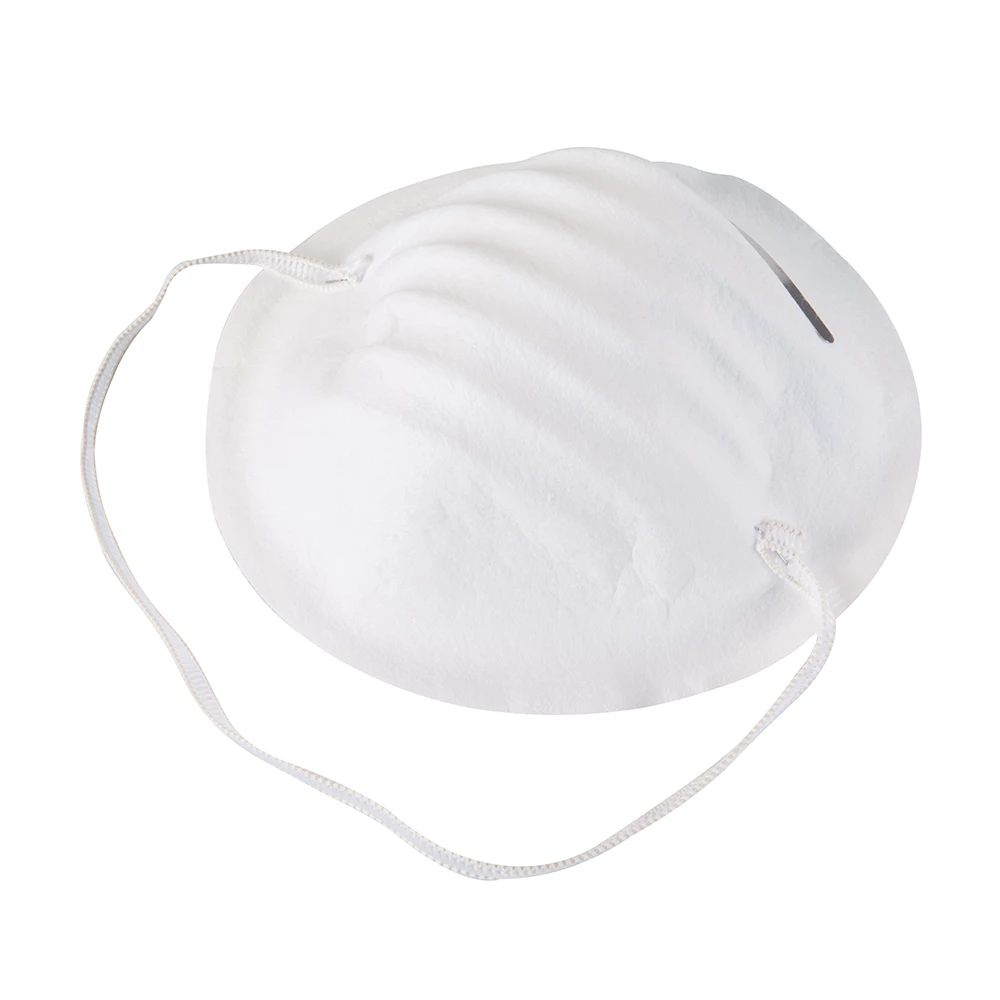
Basic dust masks are commonly used for sanding and general crafting, but they only filter out larger particles such as dust or powder. When resin is being mixed or poured, it can release fumes that simple dust masks cannot block. These vapours pass easily through disposable cup masks, and you may still notice a distinct resin smell.


Which Masks Are Designed to Block Resin Odours?
To minimise resin odours and exposure to fumes, you’ll need a mask equipped with specific vapour filters. For example, the “Climax” Mask with “ABEK” Filters for Resins – Certified Protective Respirator is designed to shield against organic and inorganic gases commonly encountered in resin work. These respirators use filters like ABEK cartridges to reduce the inhalation of vapours, providing a more comprehensive barrier than basic dust masks. It’s also important to replace these filters regularly to maintain effectiveness—most manufacturers offer easy-to-change replacement filters tailored to their masks.
When Proper Odour Filtration Matters
If you’re sensitive to smells or completing larger resin pours in less-ventilated spaces, choosing a mask with a vapour filter becomes especially important. Professional resin artists, regular hobbyists, and anyone working with epoxy or polyurethane resins should opt for filtered respirators over basic dust masks for added peace of mind.
Related products
Related guides
Understanding the limitations of ordinary masks is key to working safely with resin. For further information on staying safe and comfortable while handling resin projects, visit the main FAQ on mask use and resin odours.