 Free shipping on orders over £29,85
  Shipping Tracking!


 Google
 Facebook
← Back to Differences Between Resins: Choose the Right Resin!
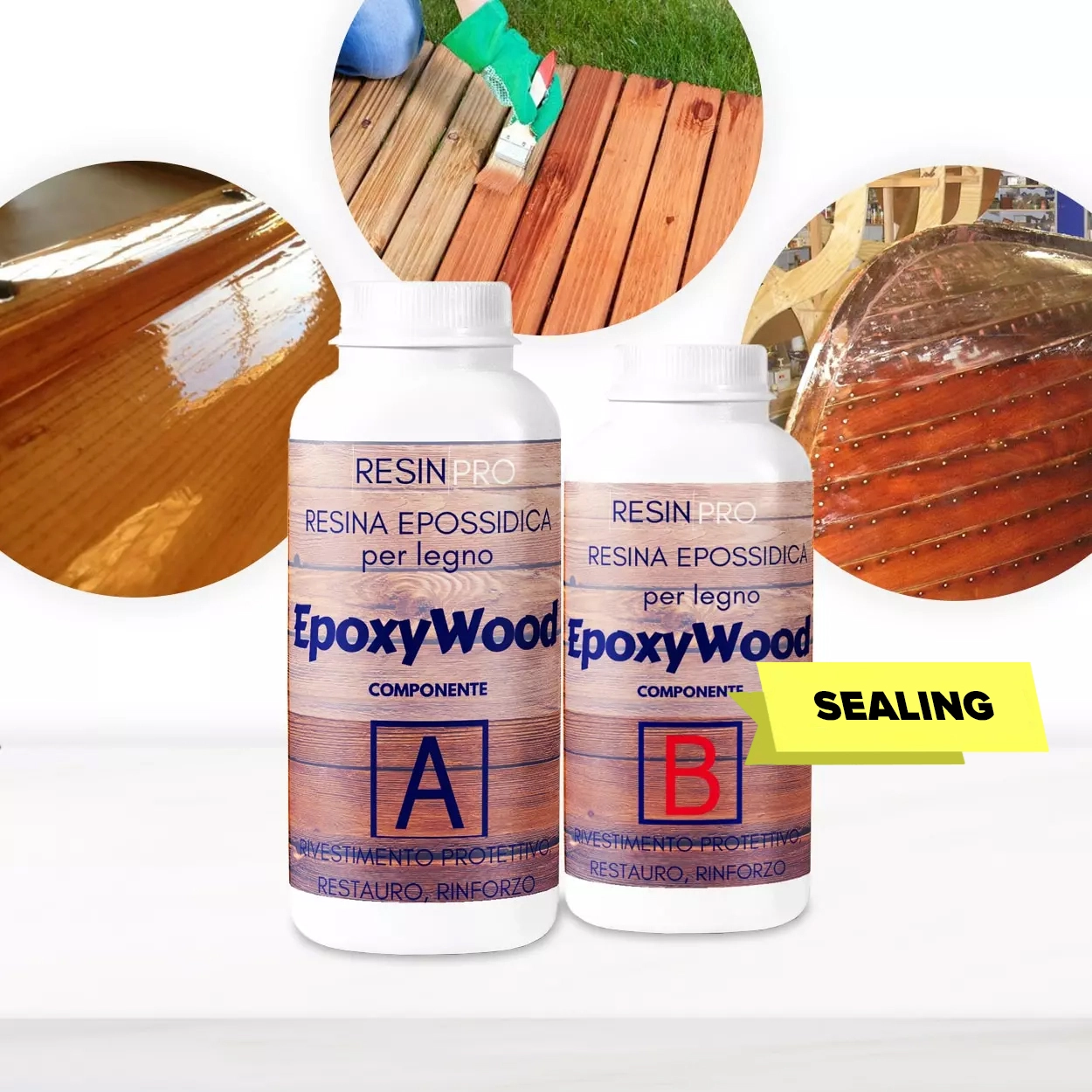
If you’re considering restoring or sealing wood, choosing the right resin is key to achieving long-lasting protection and a resilient finish. Not every resin is suitable—selecting one designed specifically for wood restoration ensures deep reinforcement and reliable waterproofing.
Why Standard Resins Aren’t Enough for Wood
Many general-purpose resins simply form a surface layer without soaking into the wood fibres. Wood, especially if dry or weathered, benefits from a resin with very low viscosity, allowing it to penetrate deeply into pores and reinforce the material from within. This internal bonding not only strengthens the wood but also provides effective waterproofing, helping to safeguard against further rot or moisture damage.
Choosing a Deep Penetrating and Waterproofing Resin
For successful wood restoration or sealing, look for an ultra-low viscosity epoxy, such as EpoxyWood. This type of resin is engineered to be thin enough to seep into small cracks and wood grain, creating a strong, lasting barrier against water. Before application, always ensure your wood is fully dry and sanded to support optimal resin adhesion. The resulting finish not only protects but can also enrich the wood’s natural appearance with a subtle warm tint.
When This Matters Most
Deep-penetrating resins are especially important for restoring outdoor wood, old furniture, or timber that has suffered water ingress. They are also preferred for applications where a resilient, waterproof surface is needed—on decking, window frames, or marine woodwork.
Related products
Related guides
Selecting a resin formulated specifically for wood restoration makes all the difference for long-lasting results. Learn more about matching resin to your project needs on our main Differences Between Resins guide.