 Free shipping on orders over £29,85
  Shipping Tracking!


 Google
 Facebook
← Back to How do you dilute two-component resin?
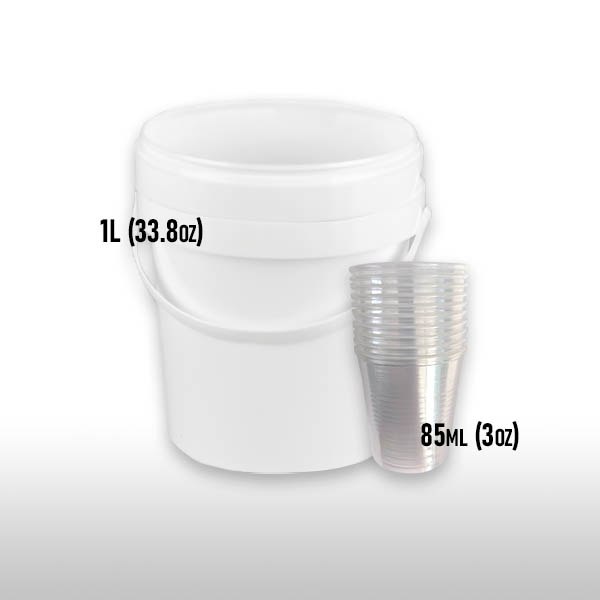
Choosing the right container for mixing two-component resin makes your process simpler, cleaner, and can even improve project outcomes. While you do not always need specialised containers, a few clever choices help ensure smooth resin work from start to finish.
Why Container Material Matters
Resin can react with certain materials, so it’s advisable to use buckets, cups, or tubs that are non-reactive—such as polypropylene or other plastics designed for chemical resistance. These types of containers prevent unwanted reactions, helping to keep your mix pure and ensuring consistent results every time you pour or stir.
Best Practises for Mixing Resin
- Use cleaned containers specifically for resin to avoid cross-contamination.
- Choose flexible containers, like the Mixing Buckets Kit for Epoxy Resin Art, which makes it far easier to remove cured resin and clean up afterwards.
- For precise measurement and clarity on component ratios, a 2L Graduated Measuring Cup lets you measure both resin and hardener with accuracy, reducing errors during mixing.
When to Choose Specialised Containers
If you work on large-scale or repeated resin projects, or value a tidy workspace, purpose-made buckets and measuring cups are well worth the investment. They help save time on clean-up, ensure accurate pours, and can prolong the life of your mixing accessories.
Related products
Related guides
Ultimately, while you can use any clean, non-reactive container for mixing resin, opting for well-designed tools streamlines your workflow and minimises hassle. For more expert tips on resin preparation and handling, see our main guide on how to dilute two-component resin.