 Free shipping on orders over £29,85
  Shipping Tracking!


 Google
 Facebook
← Back to How is resin sand prepared?
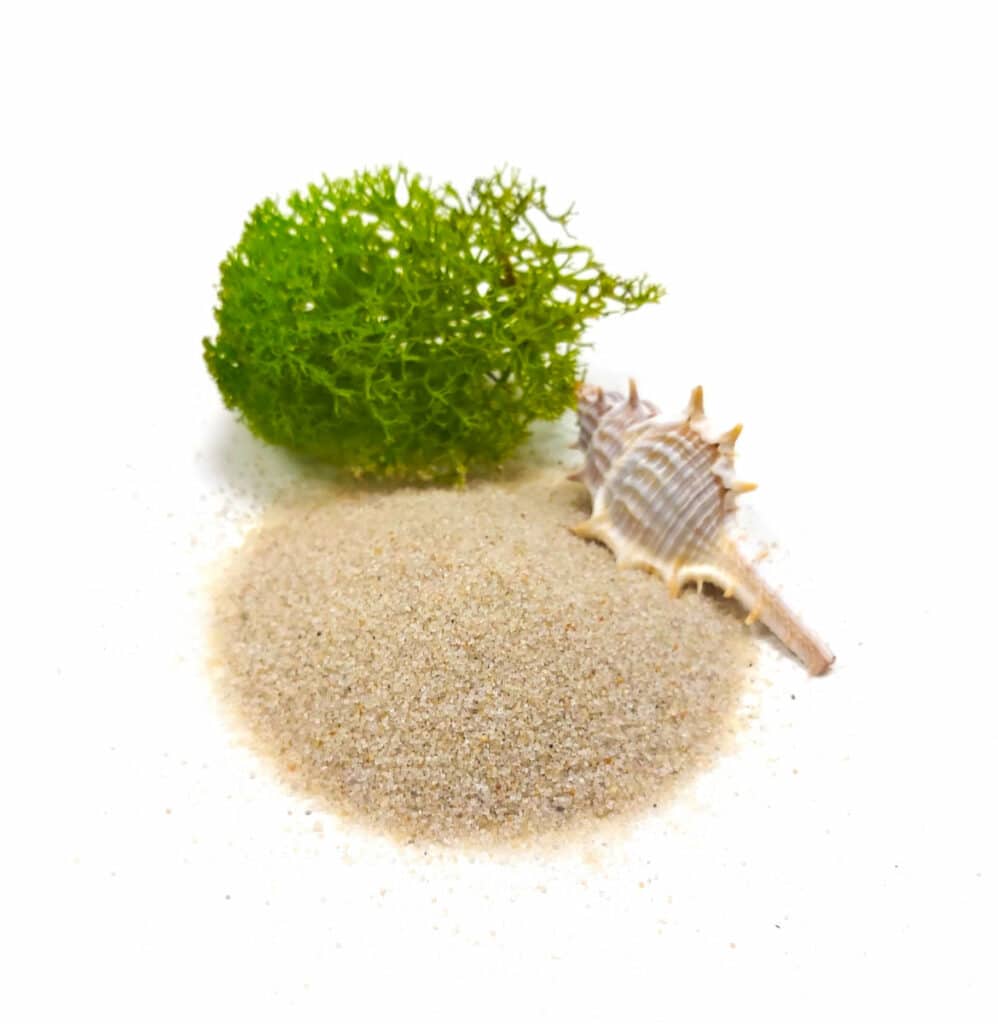
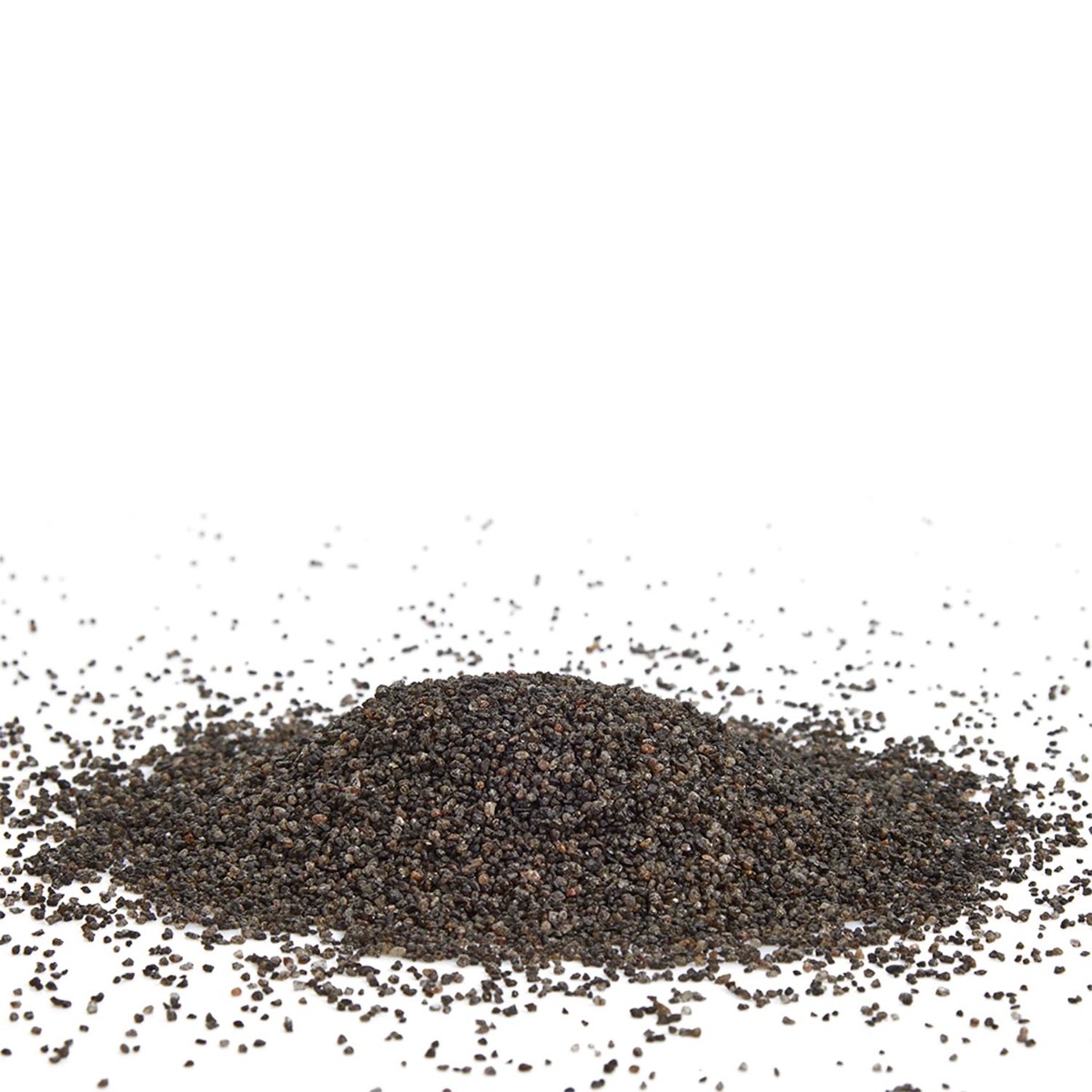
Wondering whether you need to seal sand before using it in your resin art projects? Achieving professional, beach-inspired finishes is easy with the right approach, and sand preparation plays a key role in the outcome.
Do You Need to Seal Sand Before Adding Resin?
For most decorative and fine art sands used in resin art, it isn’t usually necessary to seal the sand first. The key is making sure the sand is both clean and completely dry. Residual moisture or organic material can compromise the bond between the sand and epoxy resin, possibly leading to cloudiness or uneven curing. Simply brush off any debris and spread the sand out to air dry thoroughly before use.
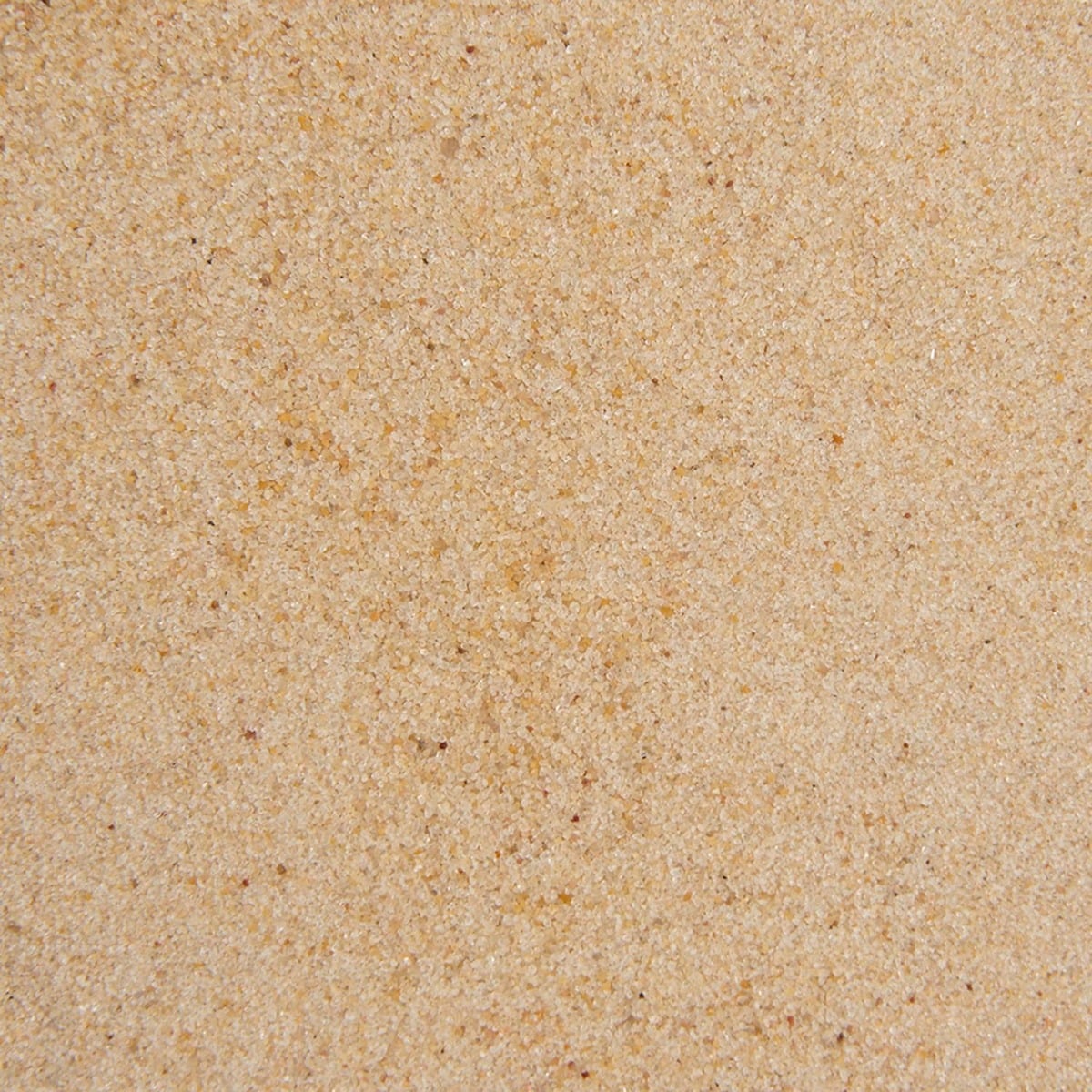
How to Prepare Sand for Resin Art
- Wash natural or craft sand in water if it contains dust or impurities, then drain and allow to dry fully.
- Spread the sand on a flat surface in a warm, non-humid area to ensure no moisture remains; this prevents bubbles or separation in your resin piece.
- For best results, use a sand specifically designed for resin craft, like the Natural Sand for Art Decoration. It’s already suited for direct mixing with resin.
When This Matters Most
Proper sand preparation is especially important if you’re creating layered ocean scenes, beachy coasters, or projects where sandy texture is a focal point. Clean, dry sand ensures clarity in transparent or lightly tinted epoxy and gives you reliable results across a range of art and craft pieces.
Related products
Related guides
By taking care to clean and dry your sand—without the need for added sealants—you’ll achieve beautiful, natural sandy effects in any resin art project. For more guidance on resin sand and its creative uses, explore advice at the main How is resin sand prepared? page.