 Free shipping on orders over £29,85
  Shipping Tracking!


 Google
 Facebook
← Back to How to use antifosphate resins?

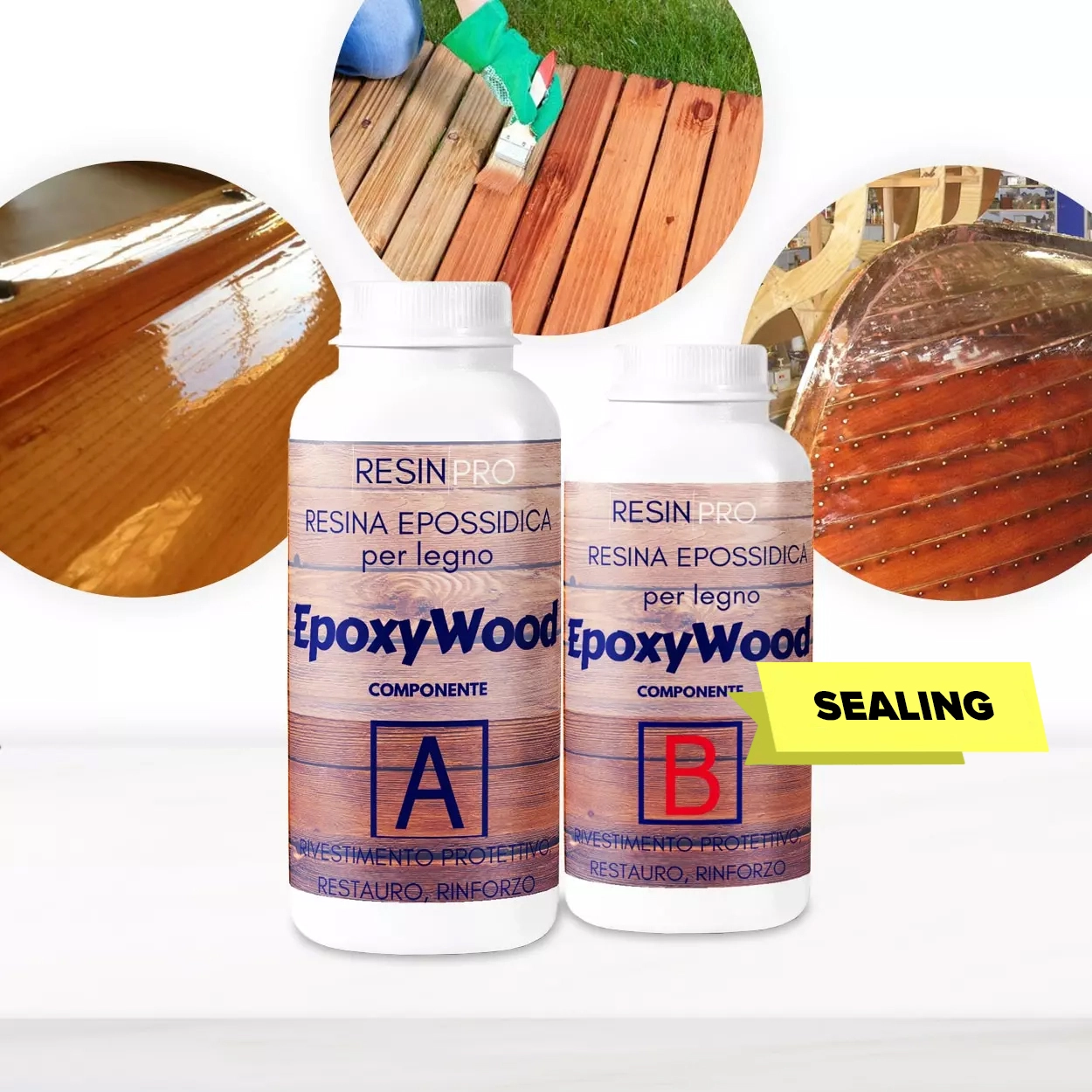
When working with epoxy or polyurethane resins, it can be tempting to speed up the curing process. However, allowing your resin projects to cure fully at a steady pace is crucial for achieving strong and reliable long-term results.
Why Proper Curing Matters
Resin systems are carefully formulated to undergo specific chemical reactions during curing. Rushing this process—by raising temperatures excessively, adding too much catalyst, or removing forms before the resin is fully hardened—can interrupt these reactions. This often results in weaker finished pieces, surface imperfections, reduced clarity, or inconsistent hardness.
- Structural strength: Full curing ensures the resin achieves its maximum potential durability.
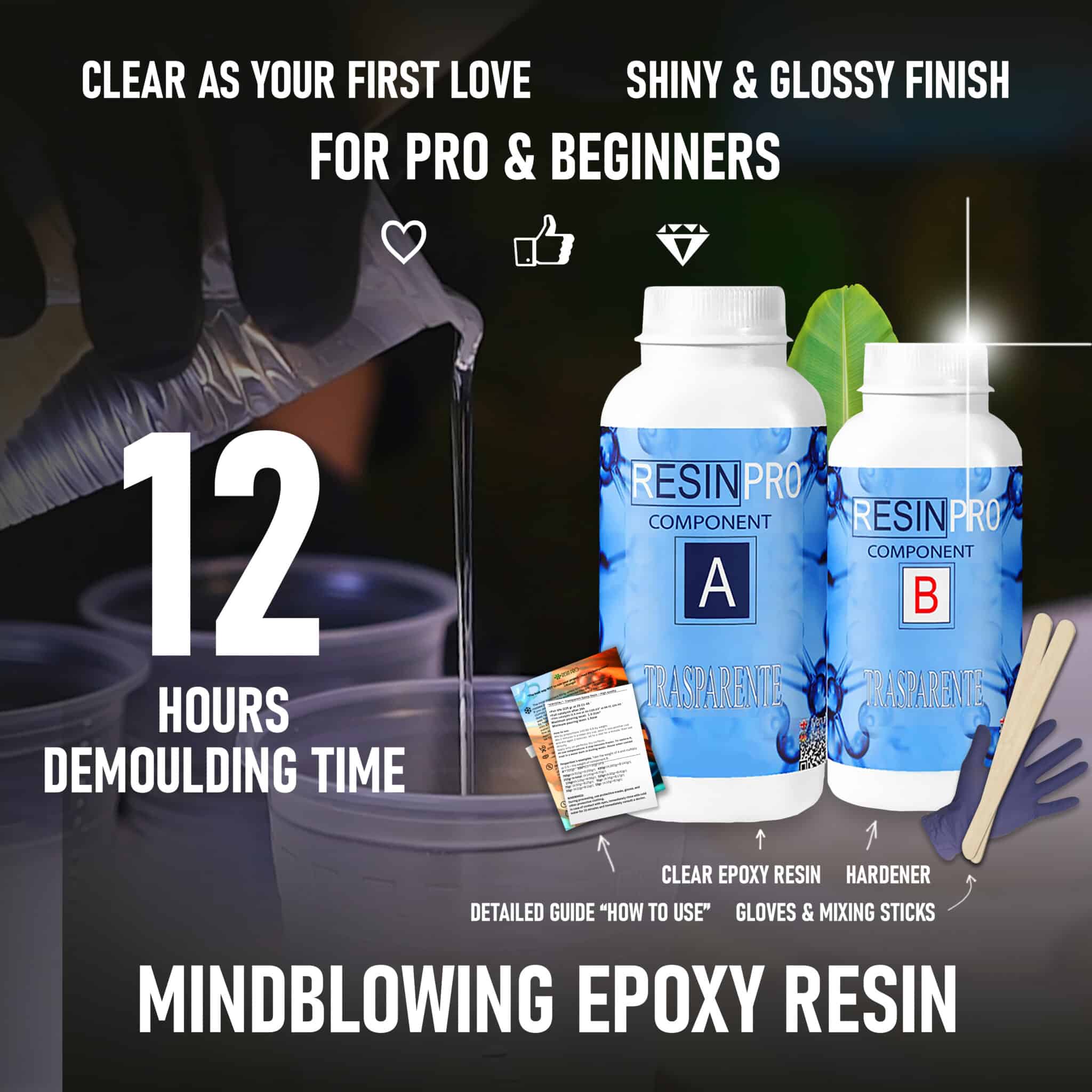
- Clarity and finish: Giving resin sufficient time reduces the risk of cloudiness or surface marks, especially in clear castings such as those with “Trasparente” epoxy resin.
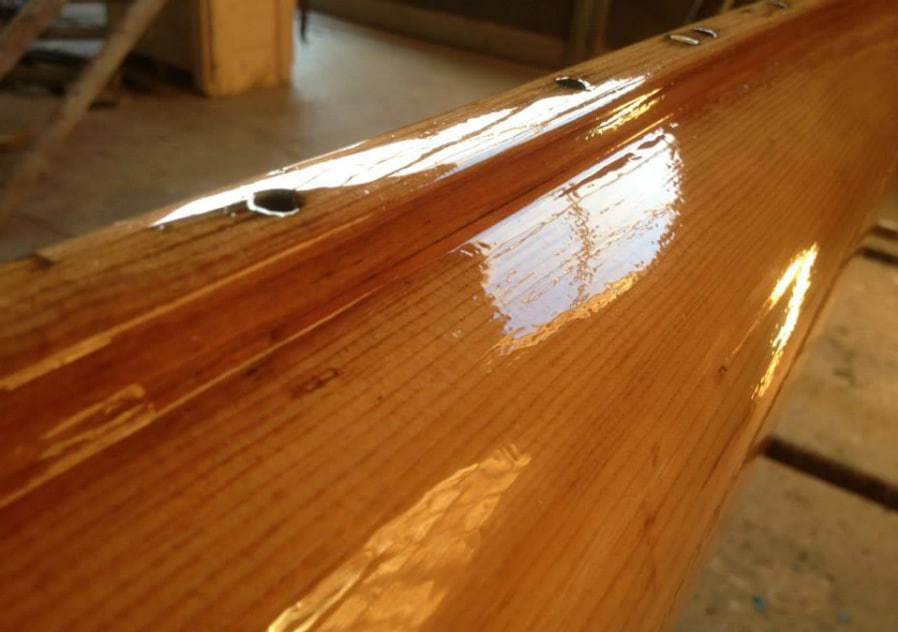
- Reliable protection: Whether sealing wood or producing art, slow curing yields better protection against moisture and environmental wear.
Practical Tips for Curing Resin Projects
Follow these best practices to ensure your resin work stands the test of time:
- Always use the manufacturer’s recommended ratios and allow the full cure time listed on the instructions.
- Avoid moving or handling pieces until completely cured—this usually ranges from 12 to 72 hours depending on resin type and thickness.
- Keep the work area at a stable, moderate temperature to prevent rapid or uneven curing.
- Don’t use extra heat (like heat guns or lamps) unless the product specifically allows or requires it.
For example, “Art Pro” clear epoxy resin is designed for surface coatings and benefits greatly from gentle, undisturbed curing to achieve a high-gloss, scratch-resistant finish.
When This Matters Most
Proper curing is especially critical for projects intended to last—such as memorial keepsakes, art pieces, or protective coatings. If resin isn’t allowed to harden fully, you may see premature wear, yellowing, or loss of gloss, impacting both the appearance and lifespan of your work. When using rapid-setting products like “IWhite” polyurethane resin, always weigh the benefit of fast demoulding against the need for thorough post-cure before putting items to use.

Related products
Related guides
Allowing antifosphate and epoxy resins to cure at their natural pace is the foundation for any quality project. To learn more about successful resin use, see our main guide on how to use antifosphate resins.