 Free shipping on orders over £29,85
  Shipping Tracking!


 Google
 Facebook
← Back to How to Treat Epoxy Resin?
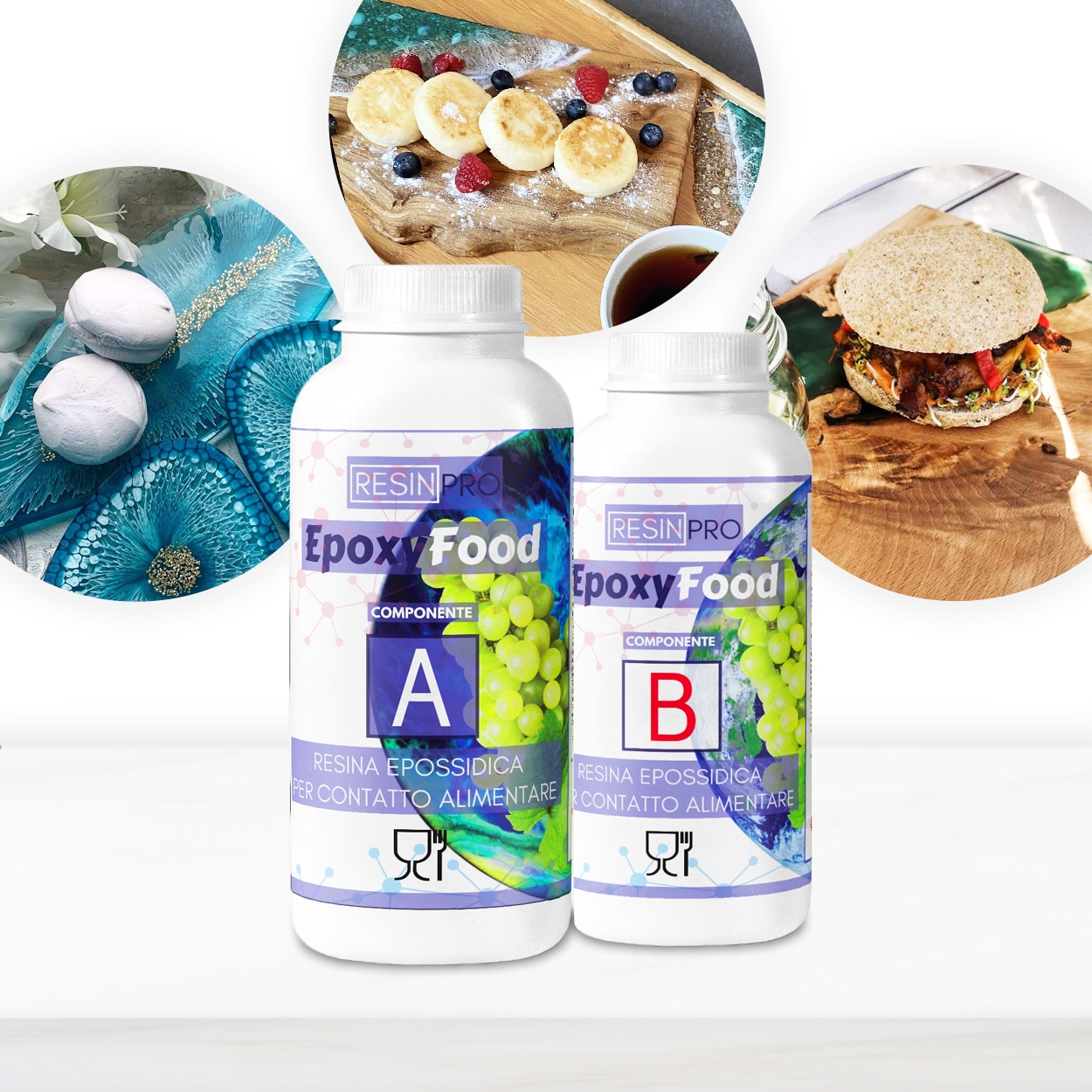

When it comes to crafting or finishing plates, cutting boards, or any kitchenware with resin, it’s crucial to choose epoxy that’s certified as food safe. Here’s what you need to know before making or treating items that come in contact with food.
Why Food Safety Certification Is Essential
Using non-certified resin raises serious safety concerns, particularly where surfaces are expected to touch food. Food-safe epoxy resins, such as EpoxyFood, are independently tested to meet established EU regulations for food contact. They’re formulated to be non-toxic and solvent-free when properly mixed and cured, making them suitable for coats on plates, bowls, or chopping boards where safety is paramount.


Selecting the Right Epoxy Resin for Your Project
If your item will hold or touch food—even briefly—it’s important to use a resin specifically labelled and tested for food contact. Certified options like EpoxyFood offer clarity and robustness while being designed to comply with current standards for food contact, particularly with cold snacks and non-alcoholic drinks. Avoid using resins that aren’t explicitly certified, as these may leach substances that are unsafe for culinary items.
When This Matters Most
- Making or coating boards for bread and cheese
- Customising glasses, bowls, or plates
- Restoring or sealing surfaces that touch foods
Whenever an item may come into direct contact with what you eat or drink, a certified food-contact resin is absolutely necessary.

Related products
Related guides
In summary, a certified food-safe epoxy is a must for any kitchenware project involving direct contact with food. For further details and in-depth guidance on handling and finishing epoxy resin, visit our main page on how to treat epoxy resin.