 Free shipping on orders over £29,85
  Shipping Tracking!


 Google
 Facebook
← Back to How do you dilute liquid resin?

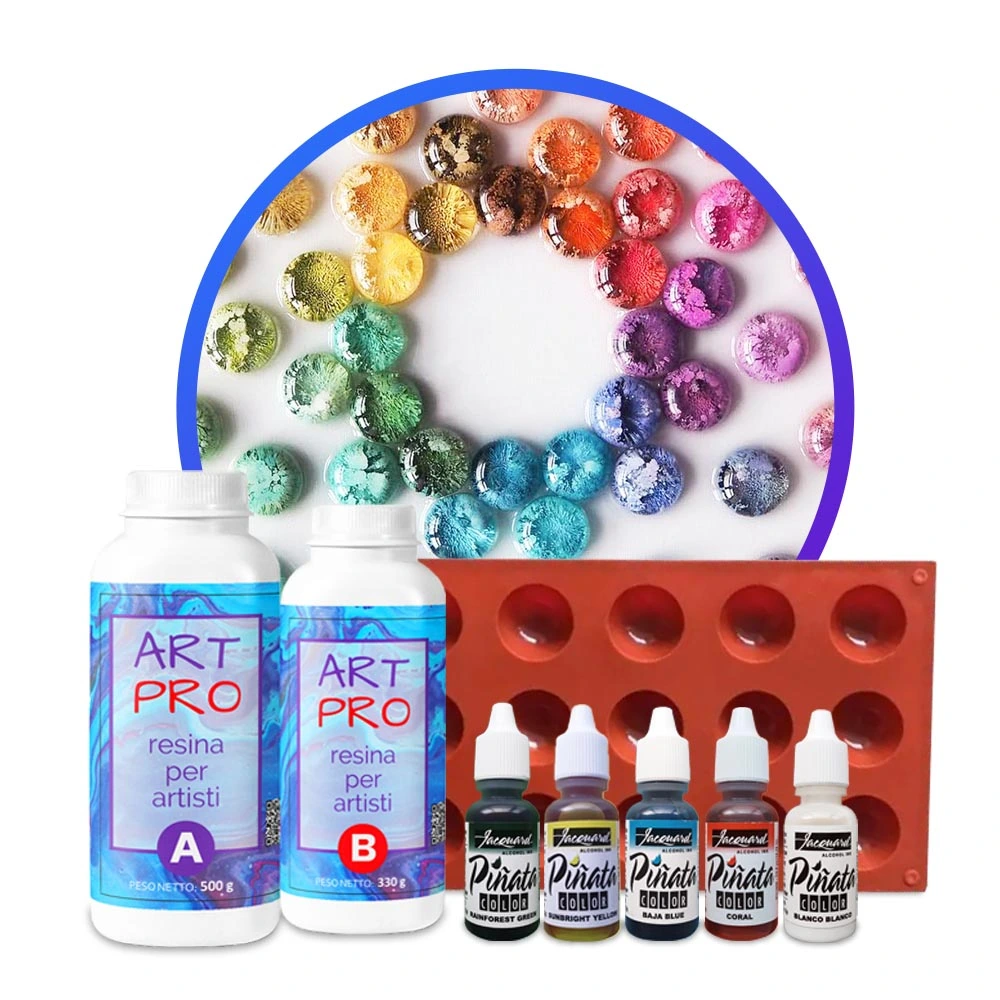
When working with epoxy resin, alcohol is often used for surface effects and bubble removal. However, it’s essential to understand how alcohol can impact the curing process and the strength of your finished piece.
How Alcohol Interacts with Epoxy Resin
Adding excessive alcohol directly to your resin mixture can disrupt the chemical reaction needed for proper curing. This interference may lead to incomplete hardening, unexpected cloudiness, or a weaker finish. Alcohol is effective for cleaning tools or moulds, but it should never be used as a main thinner in your bulk resin mix.
Safe Uses of Alcohol in Resin Projects
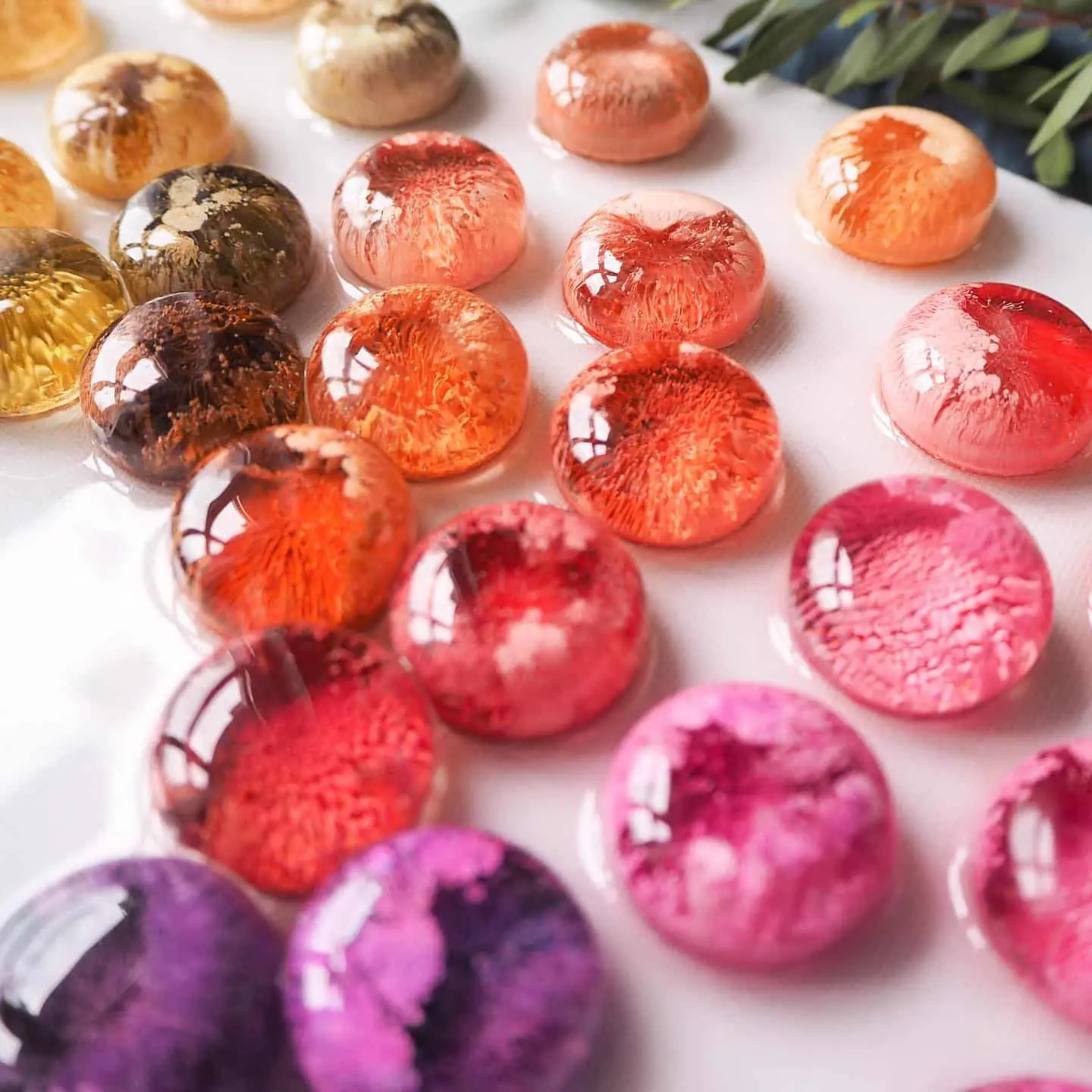
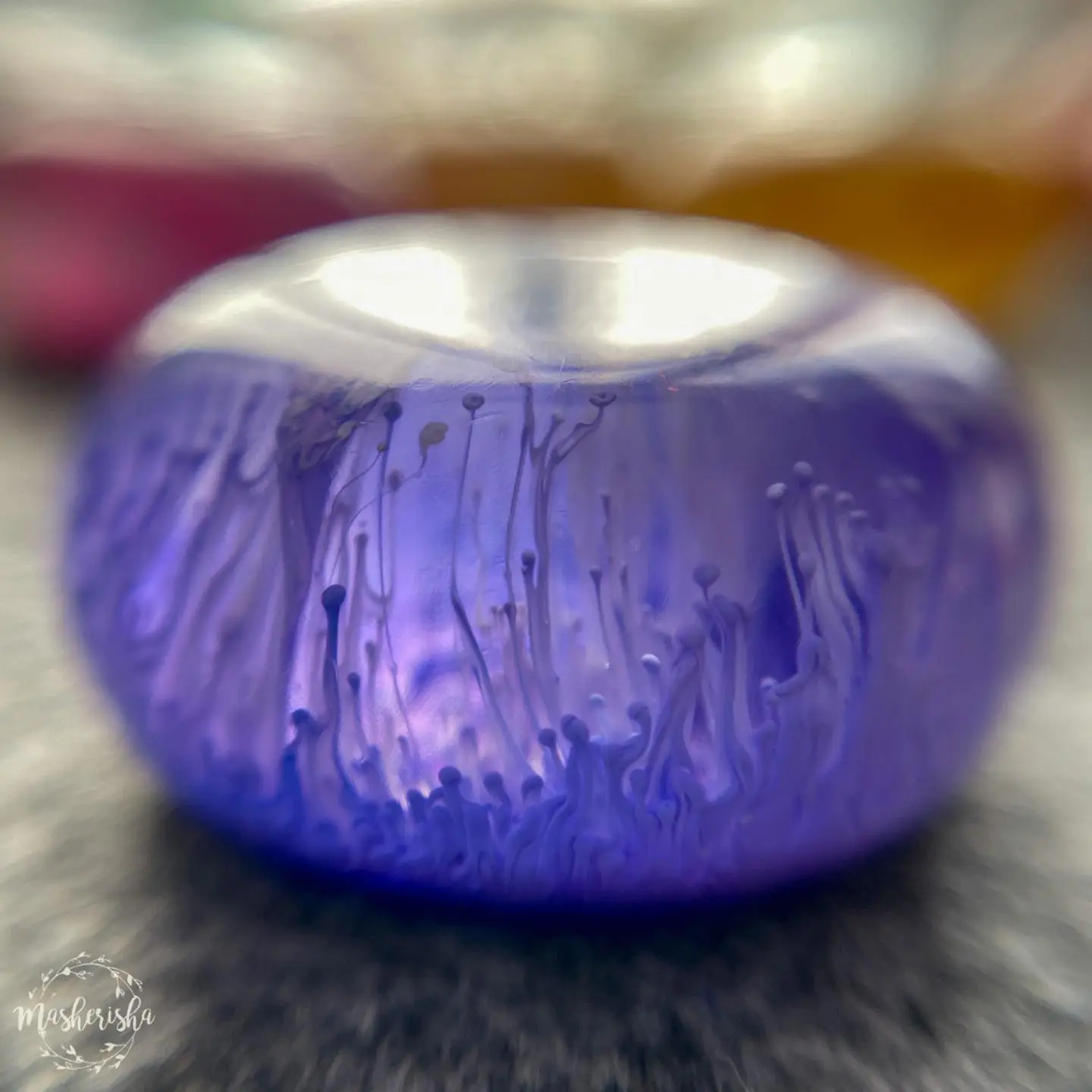
Isopropyl alcohol, such as Pure Isopropyl Alcohol 99.9%, is popular for eliminating surface bubbles and creating artistic effects with inks. Lightly misted on the surface, alcohol helps burst air bubbles without entering the main mixture. For resin art, alcohol inks offer fascinating designs when applied after the resin is poured, ensuring structural integrity is maintained.
When This Matters Most
- If you’re seeking a crystal-clear, strong result, avoid mixing alcohol into resin. Use alcohol only as a surface treatment or to clean tools.
- Alcohol can be beneficial for creating unique resin art effects but should be used with care to prevent weakened or uncured areas.
Related products
Related guides
Understanding the proper use of alcohol keeps your resin projects strong and flawless. Visit our main guide on how to dilute liquid resin for more expert tips and creative ideas.