 Free shipping on orders over £29,85
  Shipping Tracking!


 Google
 Facebook
← Back to What is the difference between thermoplastic and thermosetting resins?
Concerned about your epoxy resin project turning yellow over time? UV protection is a key feature in modern epoxy resins, helping keep clear castings and coatings looking fresh and bright for years.
How Do Epoxy Resins Resist Yellowing?
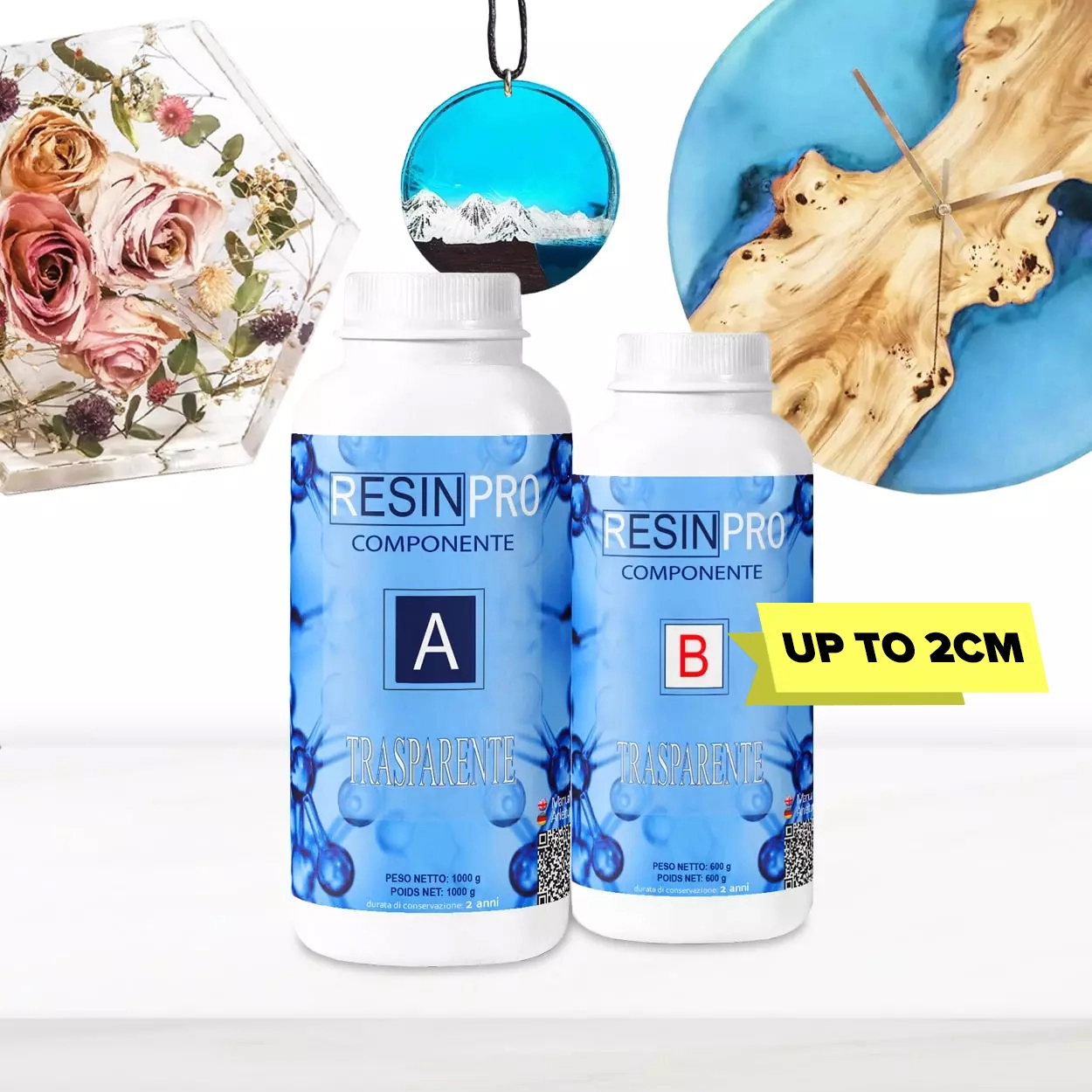
Sunlight and indoor lighting can both lead to yellowing in standard epoxy resins. Some advanced products, like “Trasparente” Clear Epoxy Resin, are specially formulated with integrated UV filters. These additives help block harmful ultraviolet rays, greatly delaying the typical discolouration. For long-term clarity in surface coatings, artwork, jewellery, and tabletops, always select a resin advertised as UV-resistant for your application.
Choosing the Right Epoxy Resin for UV Protection
When clarity matters, check manufacturer’s details regarding UV resistance and anti-yellowing performance. Multipurpose resins like “Trasparente” offer up to 10 years of protection and are suited to layers up to 2cm thick—ideal for jewellery and smaller castings. For large projects such as resin tables with thick pours, “Epoxytable 10-Ten” provides robust UV stability for deep casting (up to 10cm) and is engineered specifically to minimise yellowing even in larger, eye-catching pieces.
When This Matters Most
- If your project will be exposed to sunlight or bright indoor light, UV protection will help preserve appearance.
- Furniture, decorative surfaces, memorial jewellery, and artworks benefit from epoxy formulated against yellowing.
- Professional makers and crafters seeking reliable colour stability for clients should look for resins with stated anti-yellowing features.
Related products
Related guides
Understanding UV protection in epoxy resins is vital if you want your resin creations to last. For more insights on how resin chemistry impacts performance, explore the broader differences between thermoplastic and thermosetting resins on our main guide.