 Free shipping on orders over £29,85
  Shipping Tracking!


 Google
 Facebook
← Back to When do resins turn yellow?
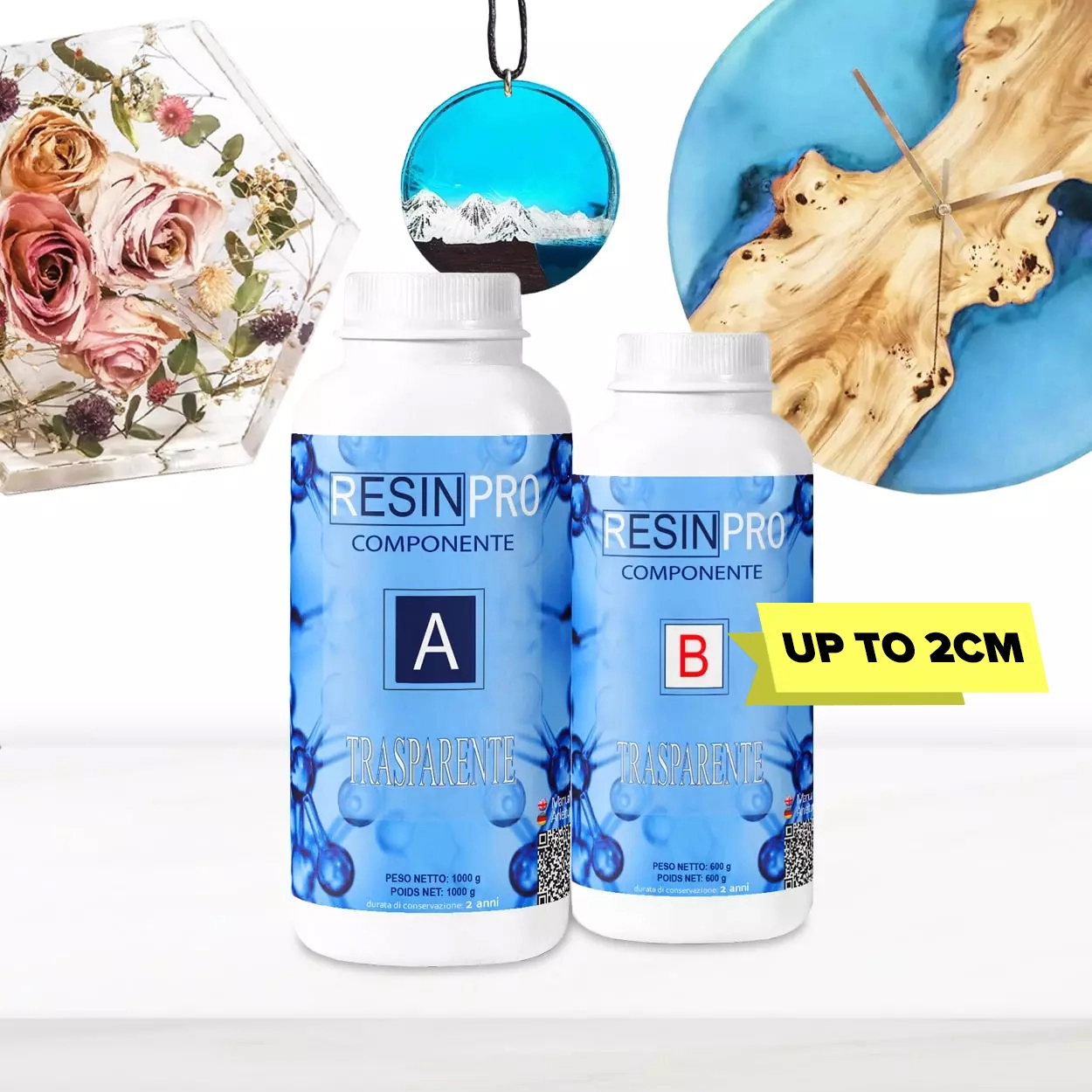
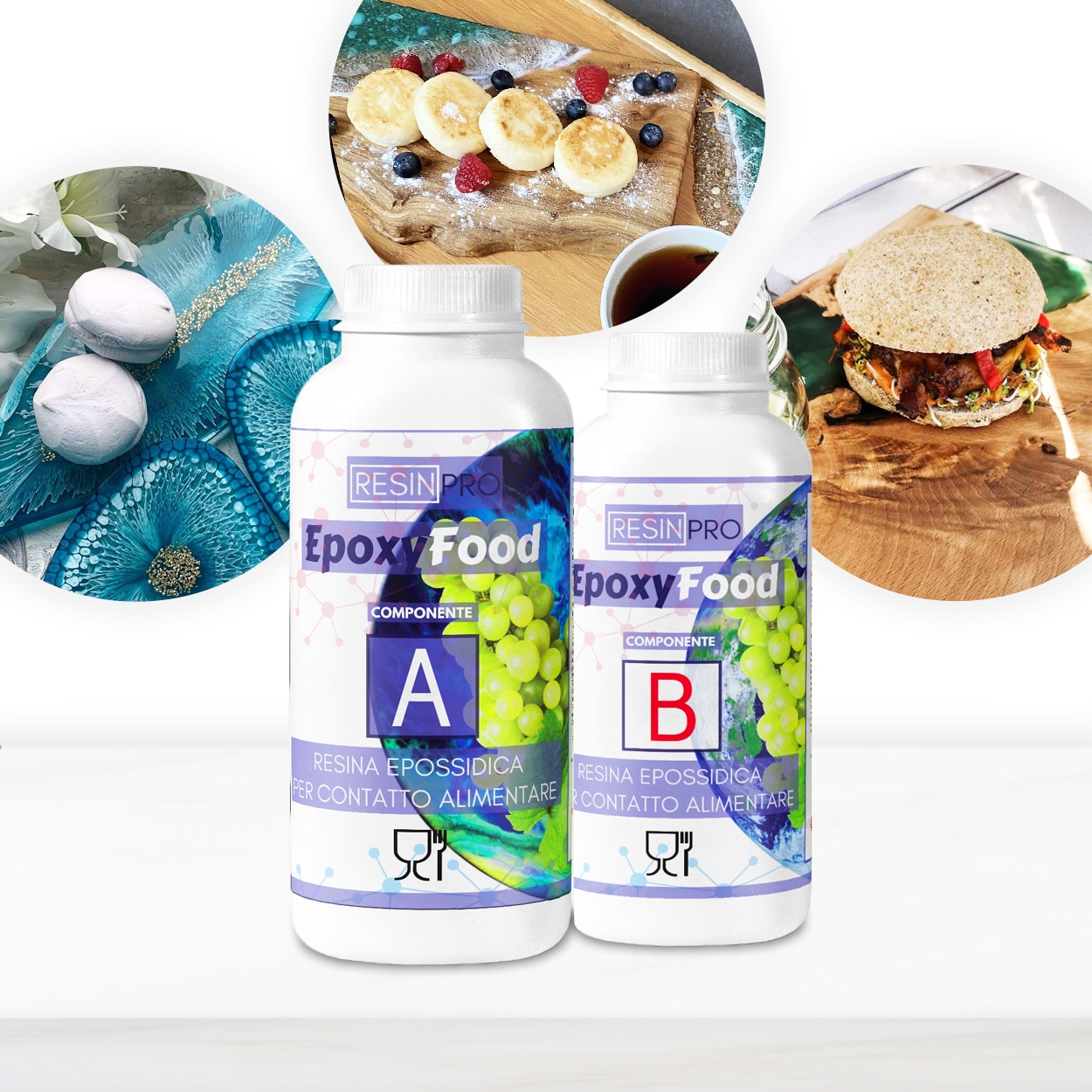
Heat can have a noticeable impact on epoxy resin clarity over time. If you’ve ever wondered why some resin projects lose their transparent finish and develop a yellow tint, temperature might be a key factor. Understanding how heat accelerates yellowing helps you get the most from your resin creations.
Why does heat cause resin to yellow?
Exposure to high temperatures speeds up the natural ageing process of epoxy resin. This leads to chemical changes within the resin, often resulting in an unwanted yellowish tone. Whether the resin is freshly cured or has been in place for a while, leaving items in a hot environment—such as near radiators, in direct sunlight, or inside a car on a warm day—can hasten visible yellowing. As such, minimising heat exposure is recommended for resin pieces you wish to keep clear for longer.

Tips for preventing heat-related yellowing
- Choose formulations with UV and heat resistance: Some epoxies, like “Trasparente” clear casting resin and “Icrystal”, contain filters designed to resist yellowing caused by heat and sunlight.
- Store away from heat sources: Keep cured resin out of direct sun or hot places. For smaller items, storage in a cool, shaded area is best.
- Follow recommended thickness: Pouring layers thicker than suggested can lead to excessive heat during curing, which may also increase yellowing risks.
When this matters
If your project will be used outside, in kitchens, or other warm areas, heat resistance and anti-yellowing features become especially valuable. This is particularly true for decorative and functional items intended to look clear and bright for years to come.

Related products
Related guides
Keeping epoxy resin away from excessive heat plays a vital role in maintaining its clarity. For further guidance on keeping your creations bright, see our main advice on when resins turn yellow.