 Free shipping on orders over £29,85
  Shipping Tracking!


 Google
 Facebook
← Back to What corrodes resin?

If you are considering using clear epoxy resin for surfaces or coatings, understanding how well it tolerates heat from hot drinks or food is essential. Here’s a practical guide to help you prevent unwanted damage and choose the right resin for your project.
How Much Heat Can Clear Resin Handle?
Most clear epoxy resin coatings are designed to resist heat up to around 70°C. This temperature threshold makes them suitable for daily use, such as serving cold snacks or resting room-temperature items. However, contact with boiling water, hot beverages, or hot pans can exceed this limit, potentially leaving marks, softening, or dulling the surface.

Choosing the Right Resin for Heat Resistance
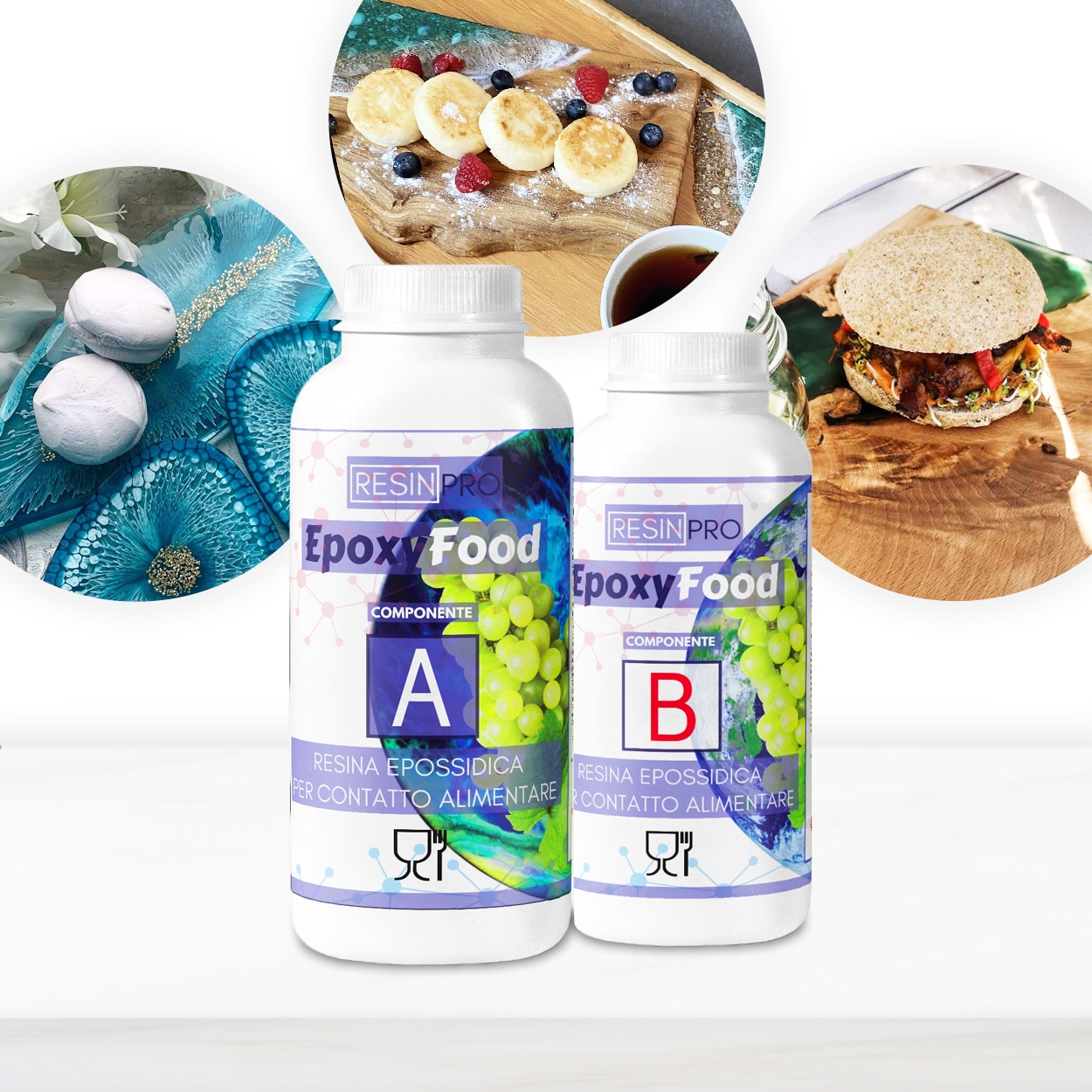
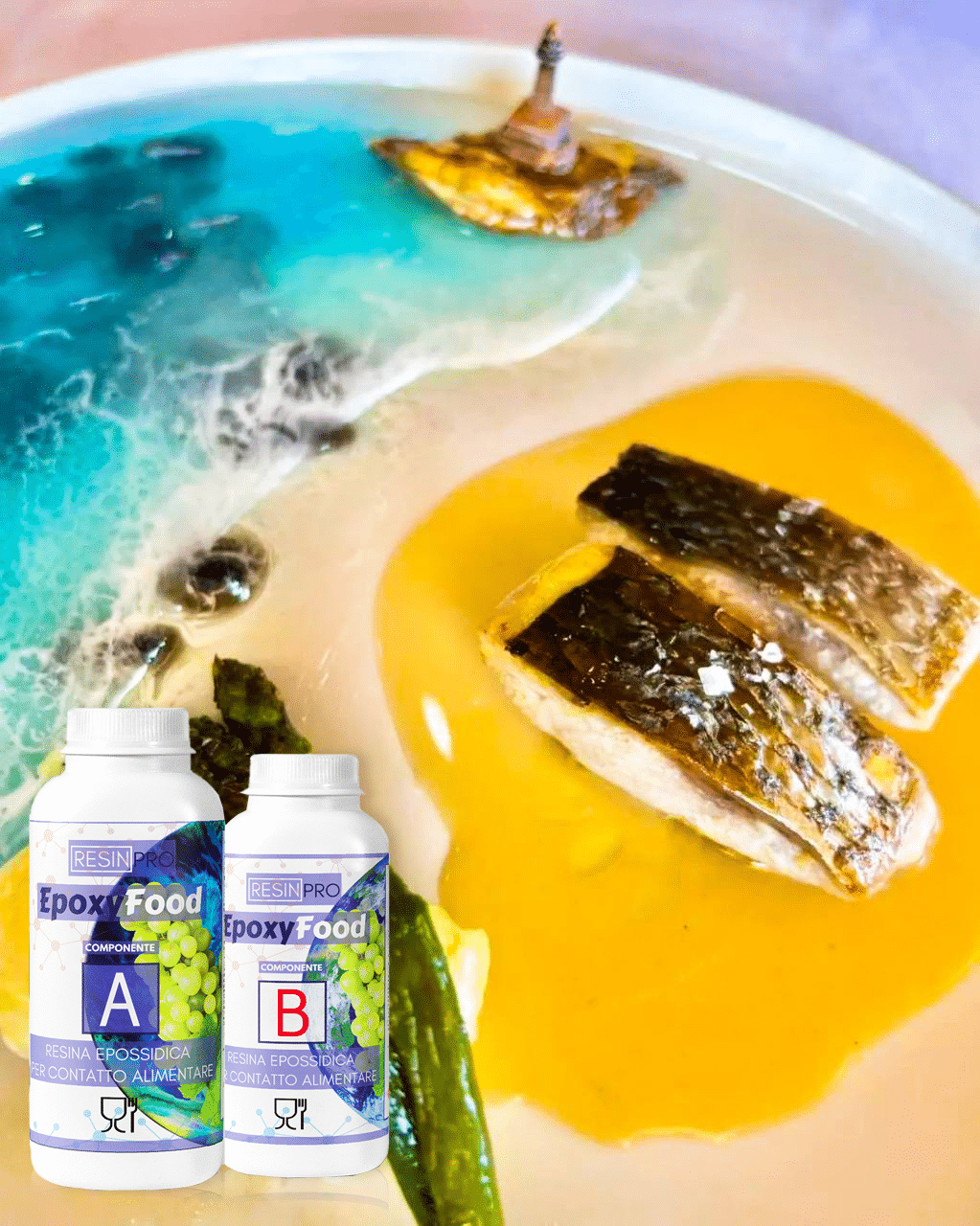
If your project will see occasional warmth, such as a coffee table, select a resin specifically noted for its heat tolerance. For example, “Icrystal” clear epoxy resin has a listed resistance up to 70°C. For food-contact surfaces where safety is essential and temperature is moderate (cold snacks, non-alcoholic drinks), EpoxyFood is a certified choice. None of these products are suitable for use with actively hot foods or drinks above 70°C, so always let items cool before placing them on resin-coated surfaces.
Caring for Resin Surfaces: Practical Tips
- Always use a trivet, placemat, or coaster beneath hot cups or pans.
- Wipe up spills promptly, especially with heated liquids, to avoid long-term dulling.
- Keep resin surfaces away from prolonged exposure to direct sunlight and harsh cleaners for best durability.

When This Matters
Proper heat resistance is important when using resin on food serving boards, kitchen counters, or coffee tables. If you expect exposure to very hot items, consider alternative materials or protective barriers to keep your resin finishing intact.
Related products
Related guides
Understanding how heat affects resin coatings helps you make the best choice for longevity and appearance. For more insights on keeping your resin surfaces pristine and what corrodes resin, explore our full guide on what corrodes resin.