 Free shipping on orders over £29,85
  Shipping Tracking!


 Google
 Facebook
← Back to How do you make resin mould release?
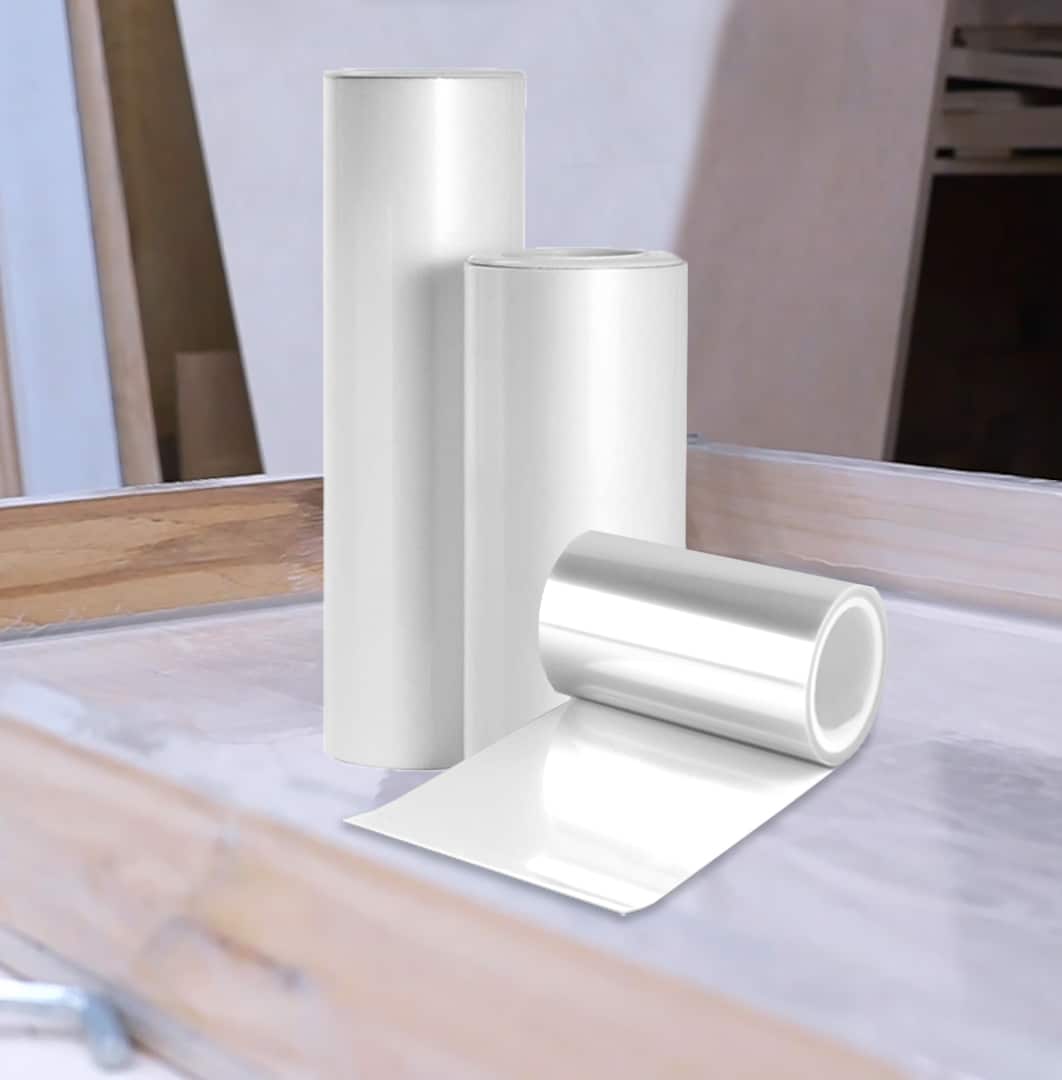
Mould release is a valuable tool for demoulding resin projects with ease. But if you’re aiming for a flawless, glossy finish, you might wonder if using a release agent could alter the look of your resin piece.
How Mould Release Products Affect Resin Surfaces
When used as directed, modern mould releases such as liquid waxes, silicone oils, and release films form an invisible barrier that prevents the resin from sticking to the mould. This barrier is thin and designed not to affect the gloss or clarity of your cured resin. For example, Shiny Shield Glossy Release Film actually enhances surface shine, leaving a mirror-like polish after demoulding.
Avoiding Finish Problems: Application Tips
- Go light: Apply release agents in a thin, even layer. Overapplication—especially with liquids or sprays—can lead to residue or slightly dulled details.
- Remove excess: Wipe off any visible accumulations or drips before pouring your resin to prevent unwanted texture or cloudiness.
- Choose the right product: For ultra-glossy work, opt for dedicated glossy release films or a gentle silicone oil, both designed for resin clarity.
When This Matters Most
Careful use of mould release is crucial when working on resin art where high-gloss or intricate finish is desired, such as tabletops, jewellery, or artworks where every detail counts. It also matters when moulds are reused frequently, as proper application protects both the mould and your finished piece.
Related products
Related guides
With proper technique, mould release can be a safe part of your process while still allowing your resin casting to shine. To learn more about crafting and customising your own mould release, see our full guide on how to make resin mould release.