 Free shipping on orders over £29,85
  Shipping Tracking!


 Google
 Facebook
← Back to How to produce resin from wood?
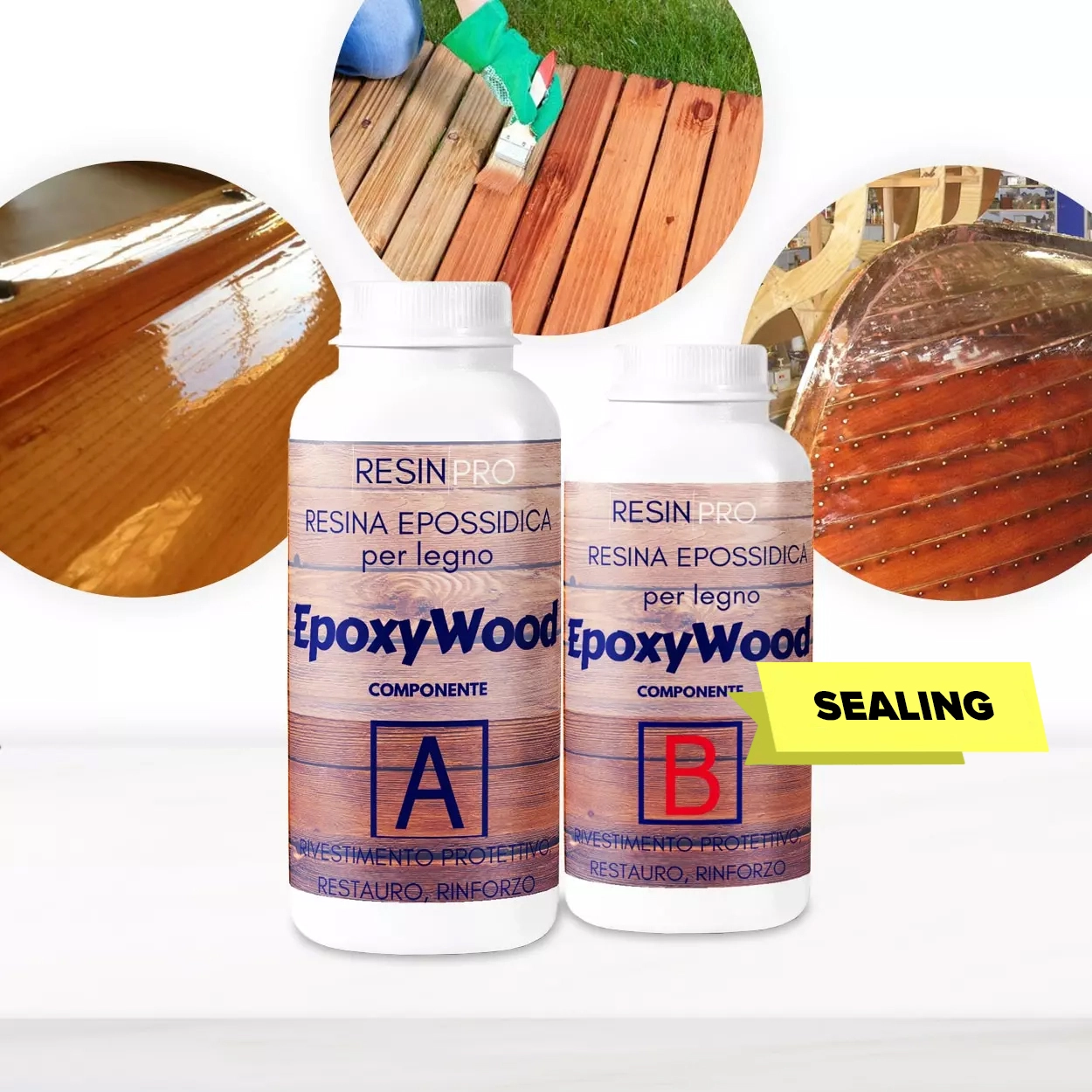
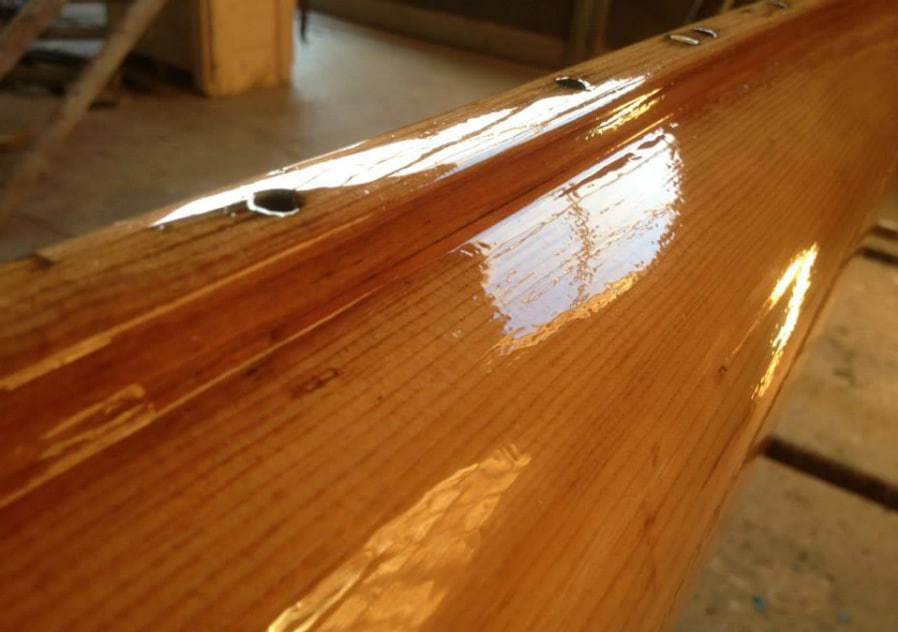
Protecting wood from moisture is essential for both aesthetic and structural reasons. Resin, particularly epoxy resin, is a popular solution for achieving a durable, waterproof barrier on timber surfaces.
How Resin Creates a Waterproof Barrier
When applied and cured correctly, epoxy resin forms a continuous, non-porous coating over wood. This layer prevents water from seeping in, stopping moisture-related damage such as swelling, rot, and warping. The effectiveness of waterproofing depends on thorough coverage and sufficient curing, which together create a reliable seal safeguarding the wood beneath.


Application Guidance for Full Protection
For best results, it’s important to prepare the wood first by making sure it is completely dry and sanded smooth. Applying an ultra-low viscosity product such as EpoxyWood epoxy resin enables the resin to penetrate deep into the wood pores, reinforcing and sealing the structure. Multiple coats may be needed for outdoor or high-exposure applications. Always follow the manufacturer’s mixing and curing instructions for maximum waterproofing performance.
When Complete Waterproofing Matters Most
- Restoring decayed or weathered exterior wood such as window frames and sills
- Protecting wooden furniture or surfaces in bathrooms, kitchens, or marine environments
- Safeguarding DIY art, craft, or restoration projects exposed to moisture
Related products
Related guides
Whether you’re reviving vintage woodwork or creating resilient outdoor furniture, using epoxy resin can provide dependable waterproof protection. For more detail on working with wood and resin, see our main guide on how to produce resin from wood.