 Free shipping on orders over £29,85
  Shipping Tracking!


 Google
 Facebook
← Back to How long does resin take to dry?
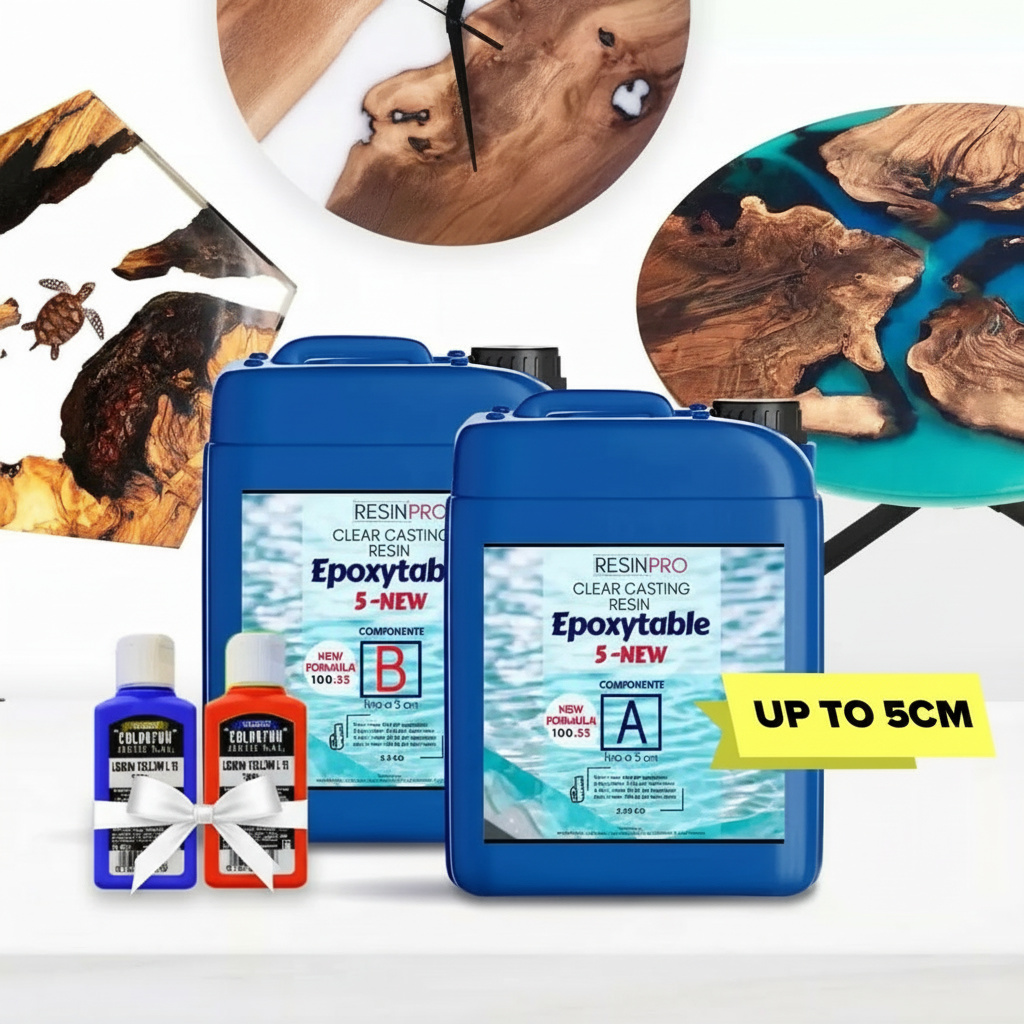
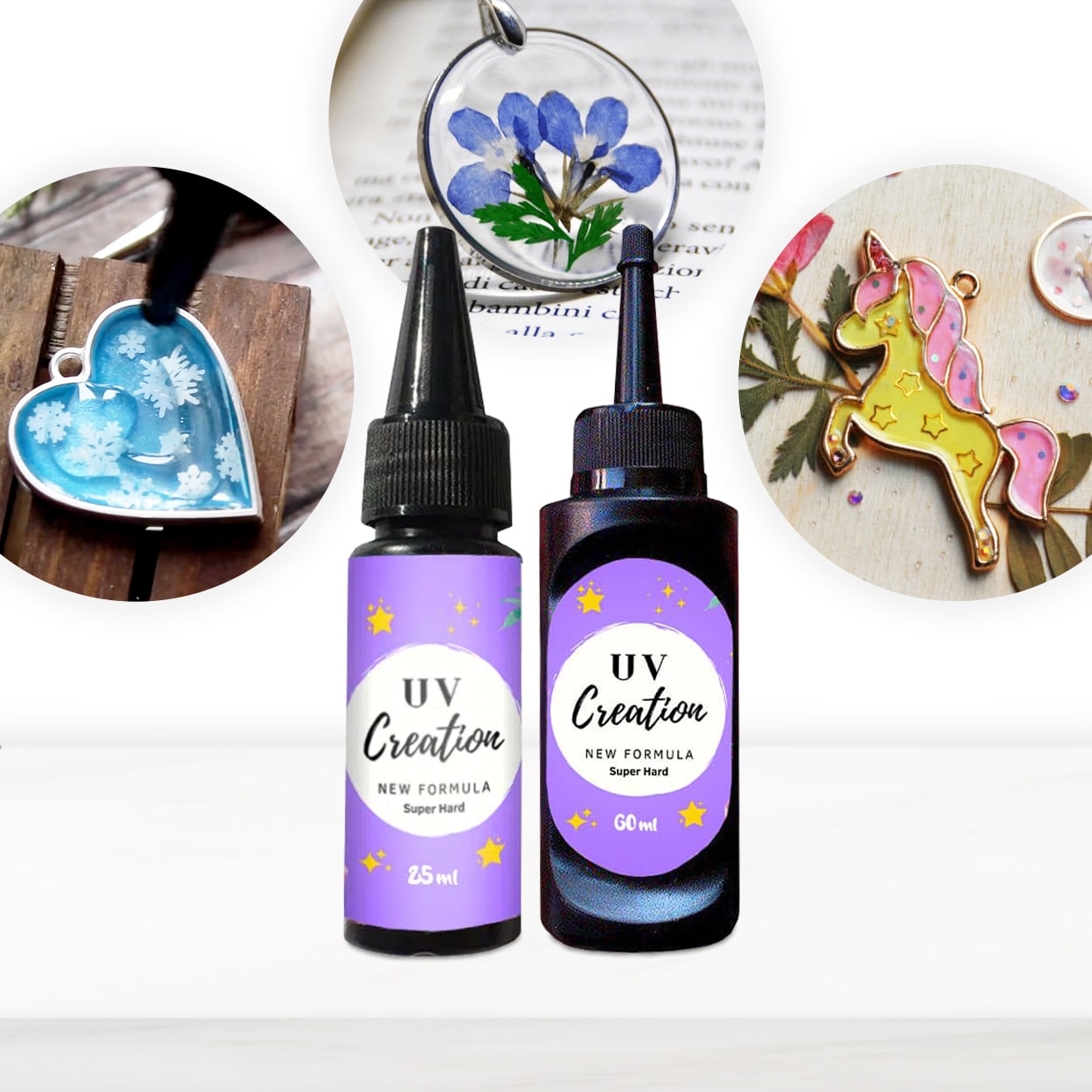
When working with resin, whether for craft, art, or furniture projects, the thickness of your pour can make a noticeable difference in drying and curing times. Understanding this relationship helps achieve perfect results and avoid common mistakes.
How Thickness Influences Drying Time
As a general rule, the thicker the resin layer, the longer it takes to fully harden. Thicker pours generate more heat while curing, so slow-curing or specially formulated resins are often required. Pouring resin too thick with a fast formula can cause overheating, which risks bubbles or cracks. For deep pours, opt for products designed to handle substantial layers—such as EpoxyTable 5-Five, which is suitable for casting up to 5cm at a time with a long working time.

Choosing the Right Resin for Your Project
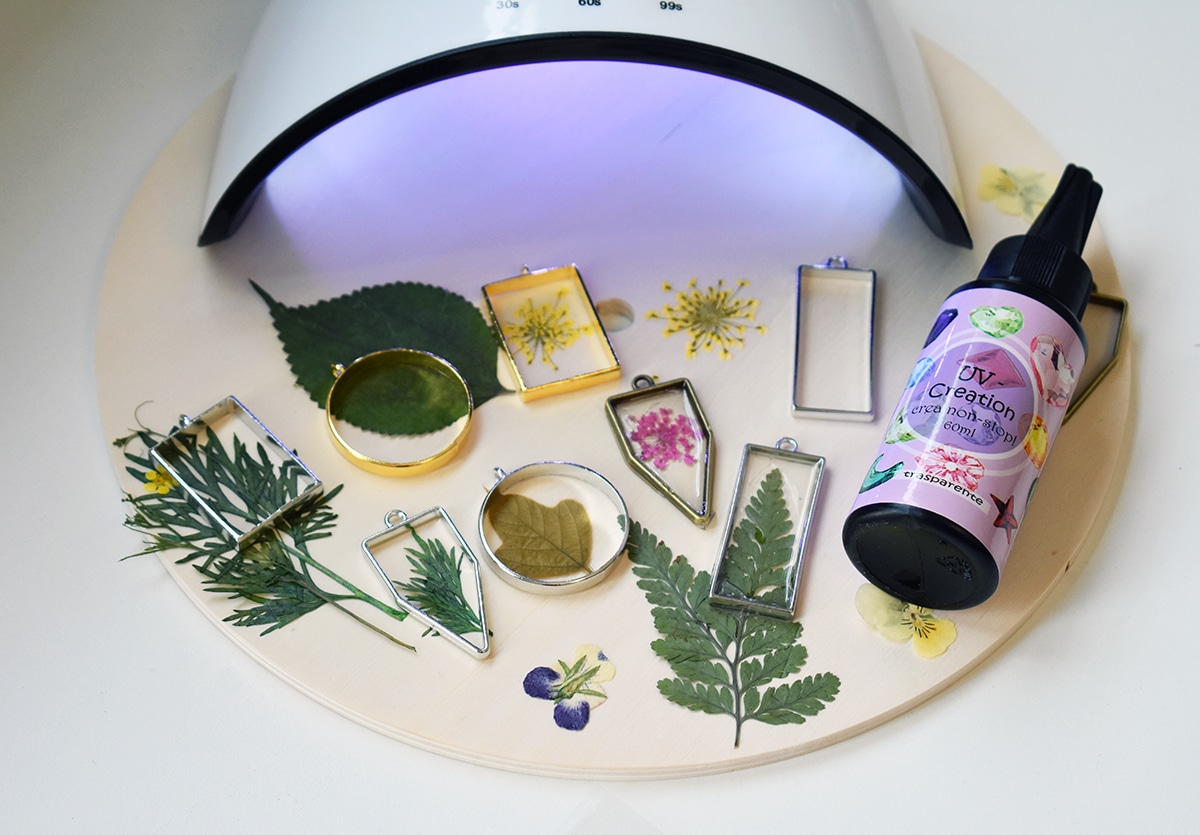
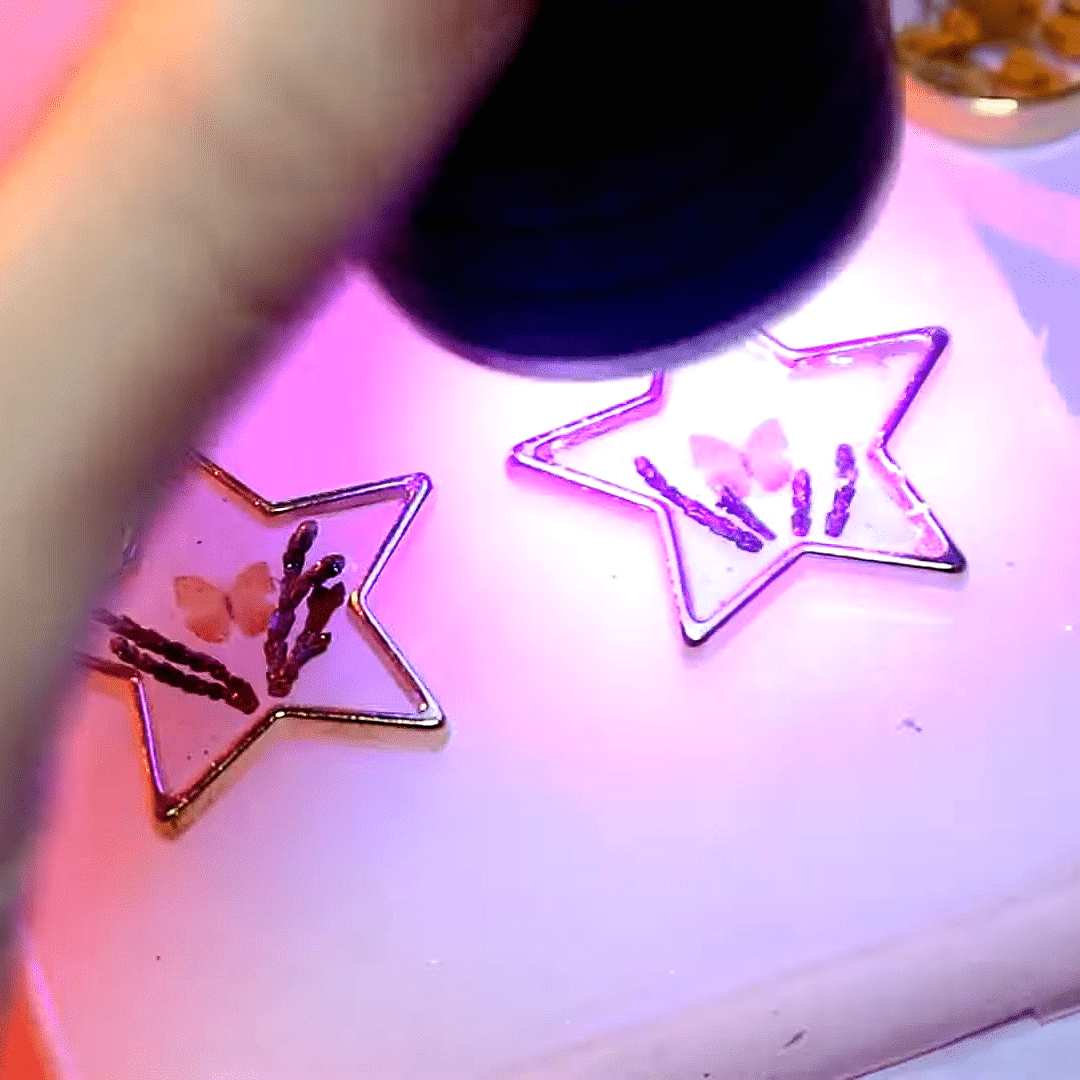
Selecting the appropriate resin depends on your project’s thickness requirements. Fast-curing resins like ICreation are ideal for small or shallow projects, curing enough for demoulding in just six hours. For thin jewellery, UV-cured options such as UV–Creation dry in mere minutes under a UV lamp. For ambitious tabletops or river tables, slow-curing deep pour resins ensure even hardening without overheating.
- Small crafts or thin coatings: Fast or UV-cured resin
- Jewellery and fine details: Quick-drying or UV resin
- Large or thick pours: Deep pour epoxy like EpoxyTable 5-Five
When This Matters Most
Thickness is most critical in deep castings, such as furniture or large art projects, where improper curing can cause overheating, cloudiness, or incomplete hardening. For layered or intricate pieces, managing thickness and cure time is key to quality and safety.
Related products
Related guides
Keeping resin thickness in mind helps you choose the right formulation and achieve reliable results. For more practical advice on resin curing times, see our main guide on how long resin takes to dry.