 Free shipping on orders over £29,85
  Shipping Tracking!


 Google
 Facebook
← Back to How to produce resin from wood?
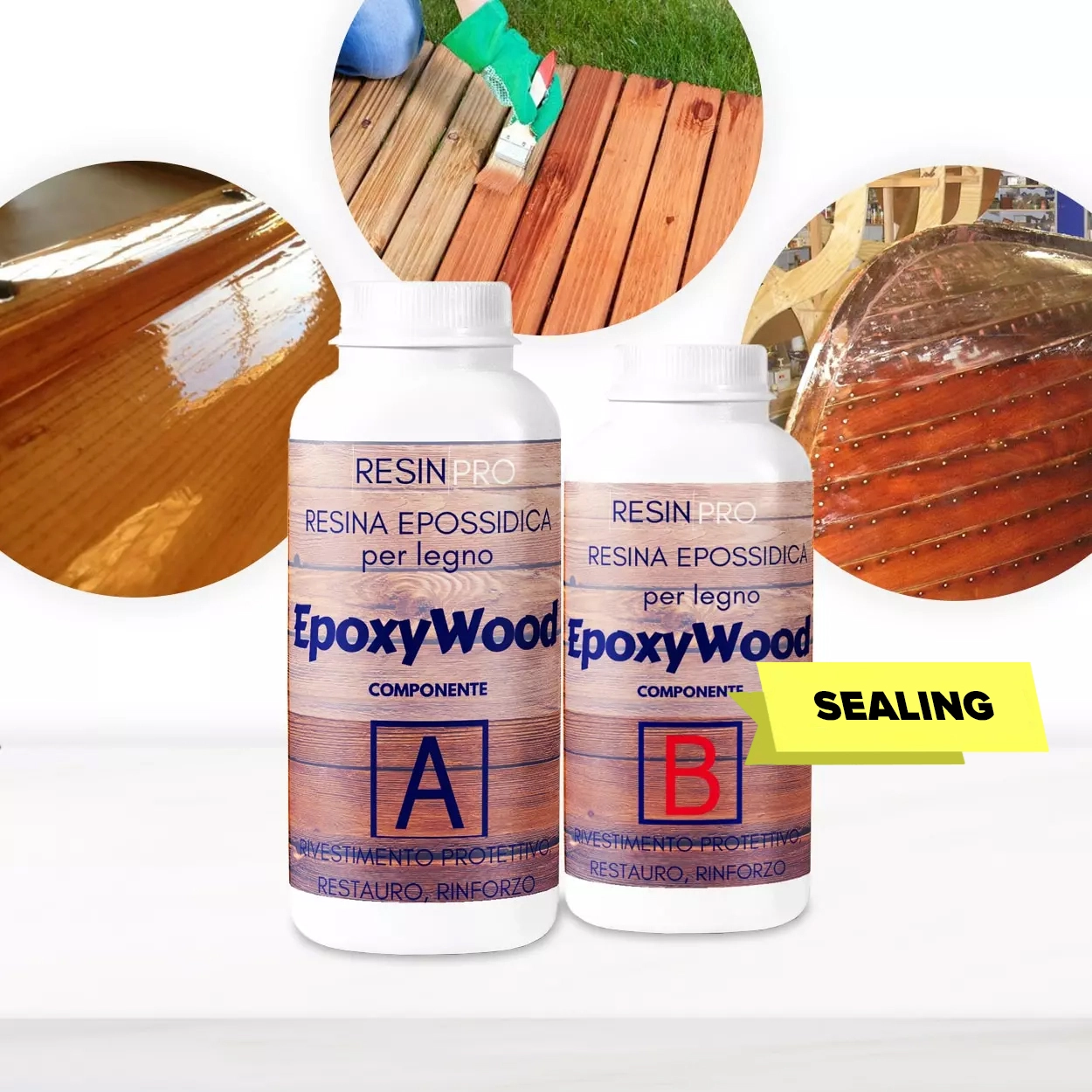
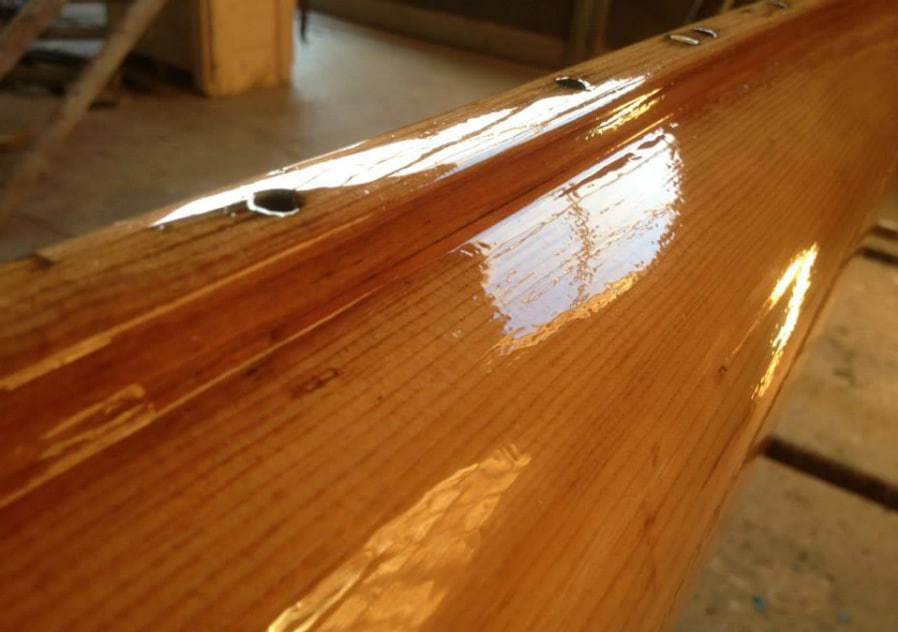
Preparing wood carefully is essential for outstanding resin results. Ensuring your wood is completely dry before applying epoxy is a vital first step—whether restoring, waterproofing, or creating unique resin-wood projects.
Why Wood Must Be Fully Dried
Moisture within wood can cause a range of problems when mixed with epoxy resin. Dampness leads to poor adhesion, bubbling, cloudiness, and, over time, deterioration as trapped water tries to escape, potentially cracking the bond between resin and wood. For the strongest, longest-lasting results, wood should reach a stable, dry state before any resin work begins.


How to Check and Dry Wood for Resin Use
- Air-drying: Store timber indoors with free air flow for weeks or months, depending on thickness and species.
- Use a moisture meter: Aim for less than 15% moisture for most interior projects; ideally 8–12% for precise restoration and resin work.
- Oven-drying (for small pieces): Use gentle heat to finish drying offcuts or small items when natural drying is too slow.
After drying, sand and clean the wood thoroughly. This helps resins like EpoxyWood to absorb deeply and create a solid, waterproof barrier.
When This Matters Most
Guaranteeing dry wood is particularly important for restoration of external timber, artistic work involving live edge or recycled wood, or when applying any resin intended to seal or reinforce the wood structure.

Related products
Related guides
Taking the time to ensure your wood is fully dry pays off in more durable, attractive, and reliable resin projects. For further steps on working with resins and wood, explore our full guide at How to produce resin from wood.