 Free shipping on orders over £29,85
  Shipping Tracking!


 Google
 Facebook
← Back to How long should you wait between epoxy resin pours?

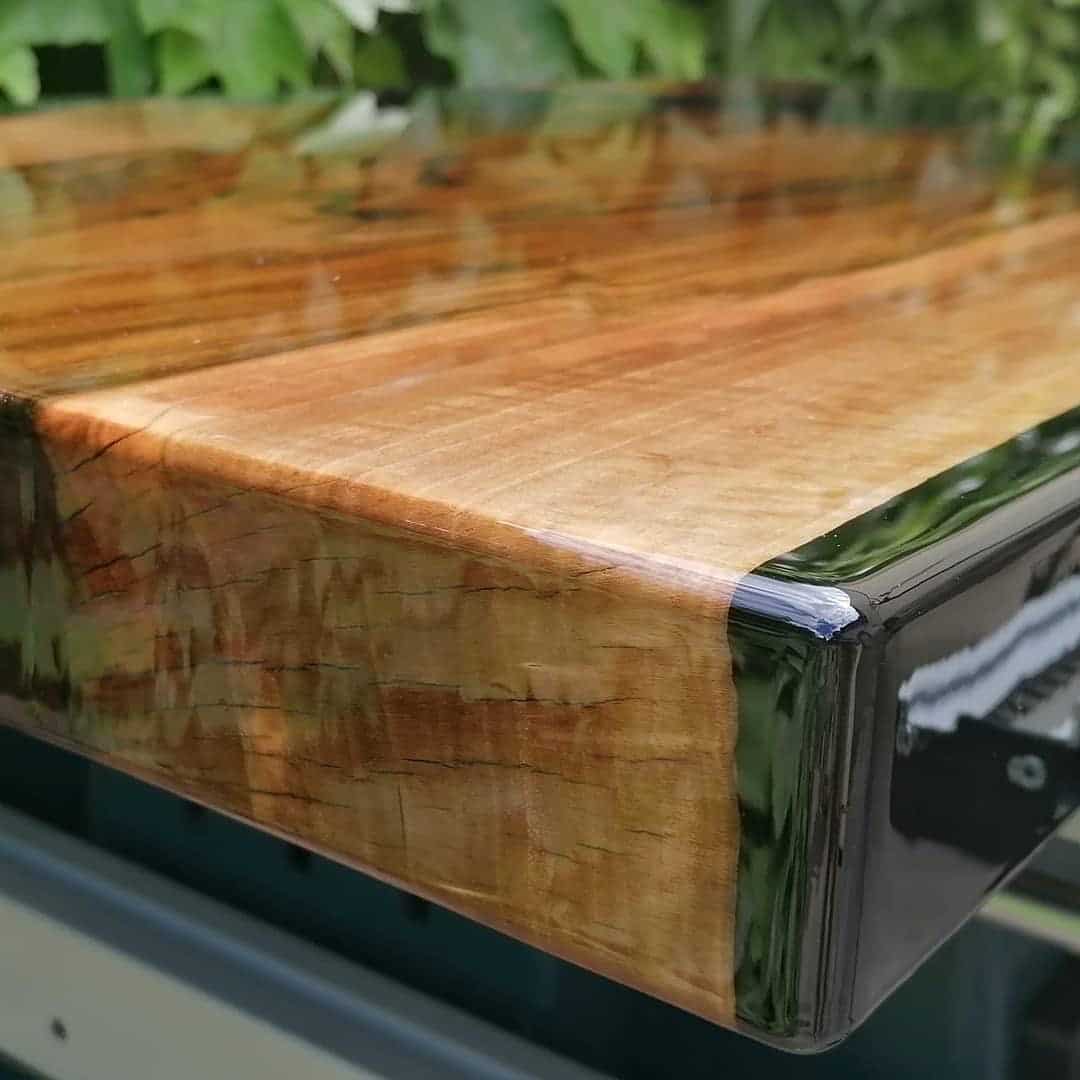
When working with epoxy resin, the environment you pour in plays a crucial role. Understanding how temperature and humidity impact curing helps you time each layer for strong, flawless results.
How Temperature Influences Epoxy Curing
Cooler temperatures slow down the chemical reactions responsible for epoxy resin curing. If your workspace is chilly, expect the resin to take longer to become tack-free and harden, potentially extending the safe window between pours. For best results, use resins like “Epoxytable 10-Ten” and allow extra time between layers when the temperature drops.


Humidity’s Role in Resin Layering
High humidity can also affect resin curing by introducing excess moisture, which may inhibit the hardening or cause surface imperfections. While epoxy resins are generally designed to cope with regular indoor moisture, aim for a dry environment and ensure your materials are moisture-free to avoid cloudy layers or poor adhesion between pours.
Practical Tips for Adjusting Wait Times
- If the room is below 20°C, increase wait times between epoxy layers.
- For deep pours or large projects, maintain a stable indoor temperature and avoid pouring during humid spells.
- Always touch-check the previous layer; it should be firm but slightly tacky before you pour the next layer.
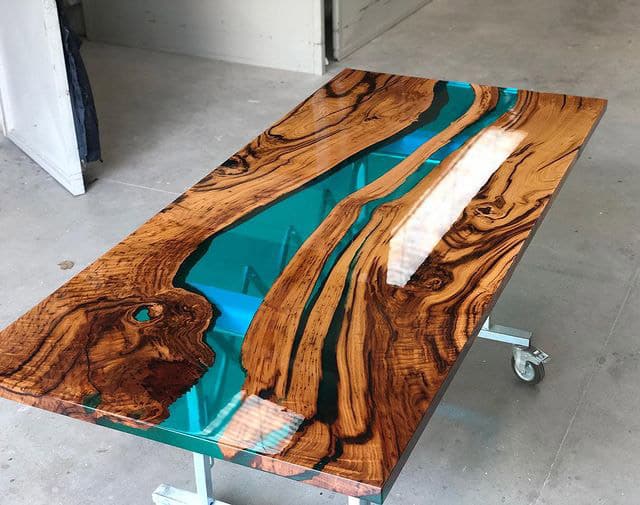
When This Matters
These factors are especially important for projects with multiple deep layers, like river tables or substantial castings, where curing kinetics can affect clarity and structure.
Related products
Related guides
Balancing environmental conditions ensures your epoxy pour projects are both resilient and visually appealing. For more guidance, see our main advice on how long to wait between epoxy resin pours.