 Free shipping on orders over £29,85
  Shipping Tracking!


 Google
 Facebook
← Back to Which resin should be used for photovoltaic modules?
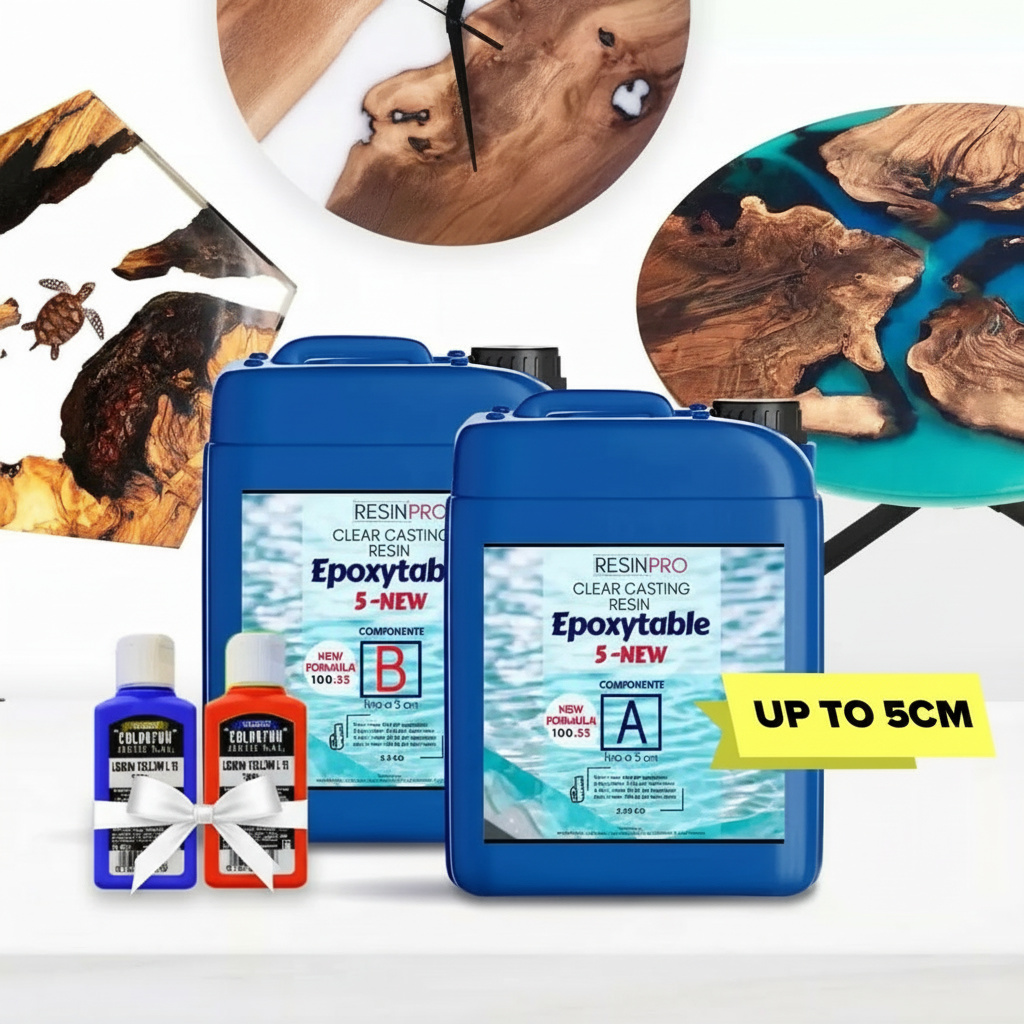
If you’re encapsulating photovoltaic modules and require a resin layer between 2cm and 5cm thick, selecting the right epoxy is vital for clarity, UV stability and long-lasting protection.
Why Medium-Thickness Epoxy Matters
Photovoltaic modules often need a robust, clear encapsulation layer that shields delicate components without compromising transparency. Medium-thickness pours (2–5cm) are common for both protection and maintaining light transmission. It’s important to choose an epoxy specifically engineered for deeper pours to avoid issues like overheating or cloudiness.
Selecting the Right Epoxy Resin
For layers between 2 and 5cm, EpoxyTable 5-Five is a reliable choice. This resin combines excellent clarity with strong UV filters to help prevent yellowing over time. Its low exothermic reaction minimises the risk of warping or defects during curing, and it offers good resistance to scratches and heat—key factors for modules exposed to outdoor conditions.
Practical Tips for Pouring and Use
- Pour in a controlled environment to limit dust and moisture.
- For layers close to the 5cm limit, consider pouring in stages to maintain clarity and avoid excessive heat buildup.
- Allow each layer to cure fully before adding the next if a multi-stage approach is needed.
When this Matters Most
Opting for a medium-thickness epoxy resin is especially crucial when your modules require both robust protection and enhanced longevity in outdoor or high-UV environments.
Related products
Related guides
Choosing the correct epoxy ensures your photovoltaic modules remain protected and efficient. For further options and applications, explore our full guide on which resin should be used for photovoltaic modules.