 Free shipping on orders over £29,85
  Shipping Tracking!


 Google
 Facebook
← Back to How was Resina Ora Ercolano born?

When working with epoxy resin, understanding how thick you can pour each layer is key to achieving clear, strong, and stable results. The correct pour thickness prevents issues such as overheating and ensures your creative projects look their best.
Understanding Resin Pour Thickness
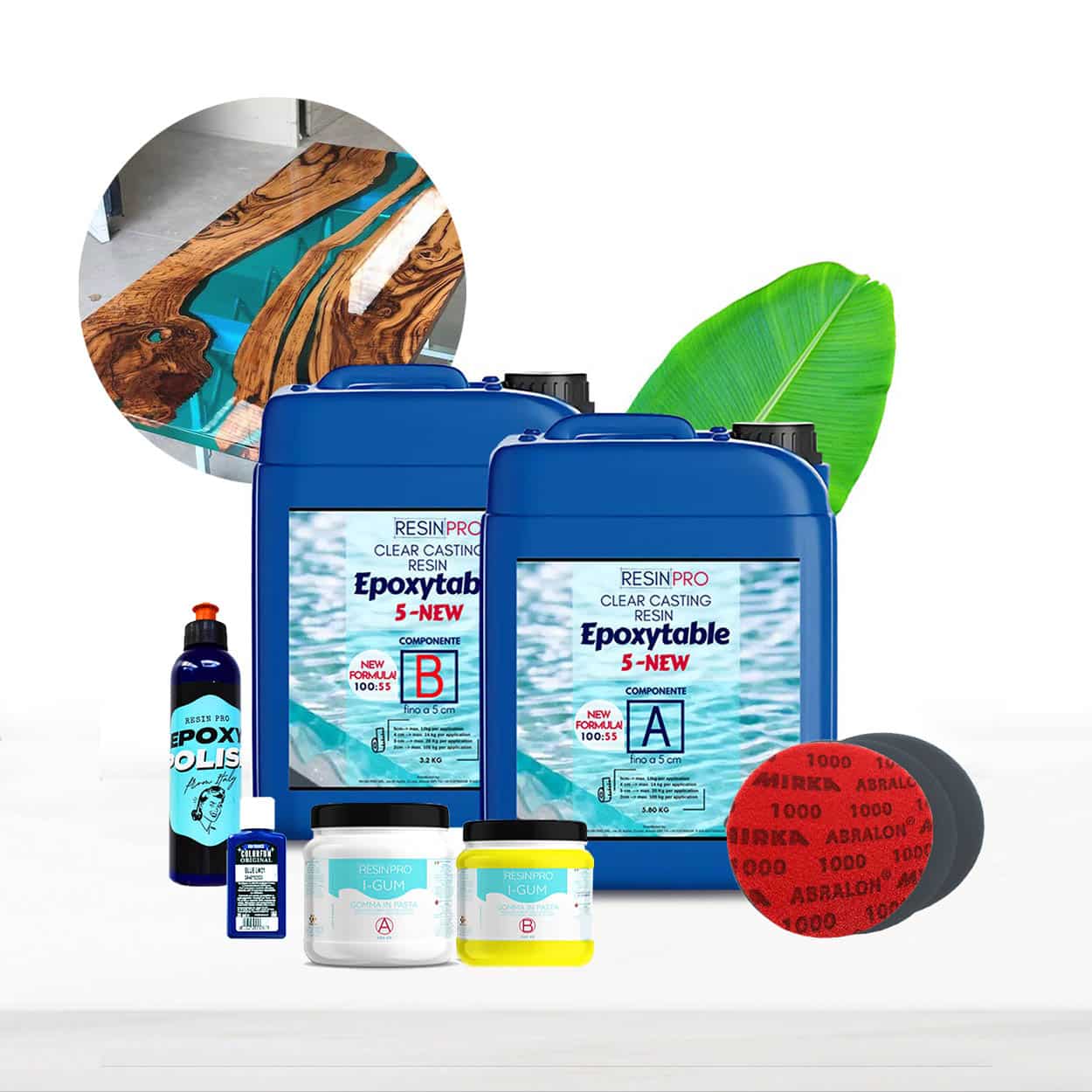
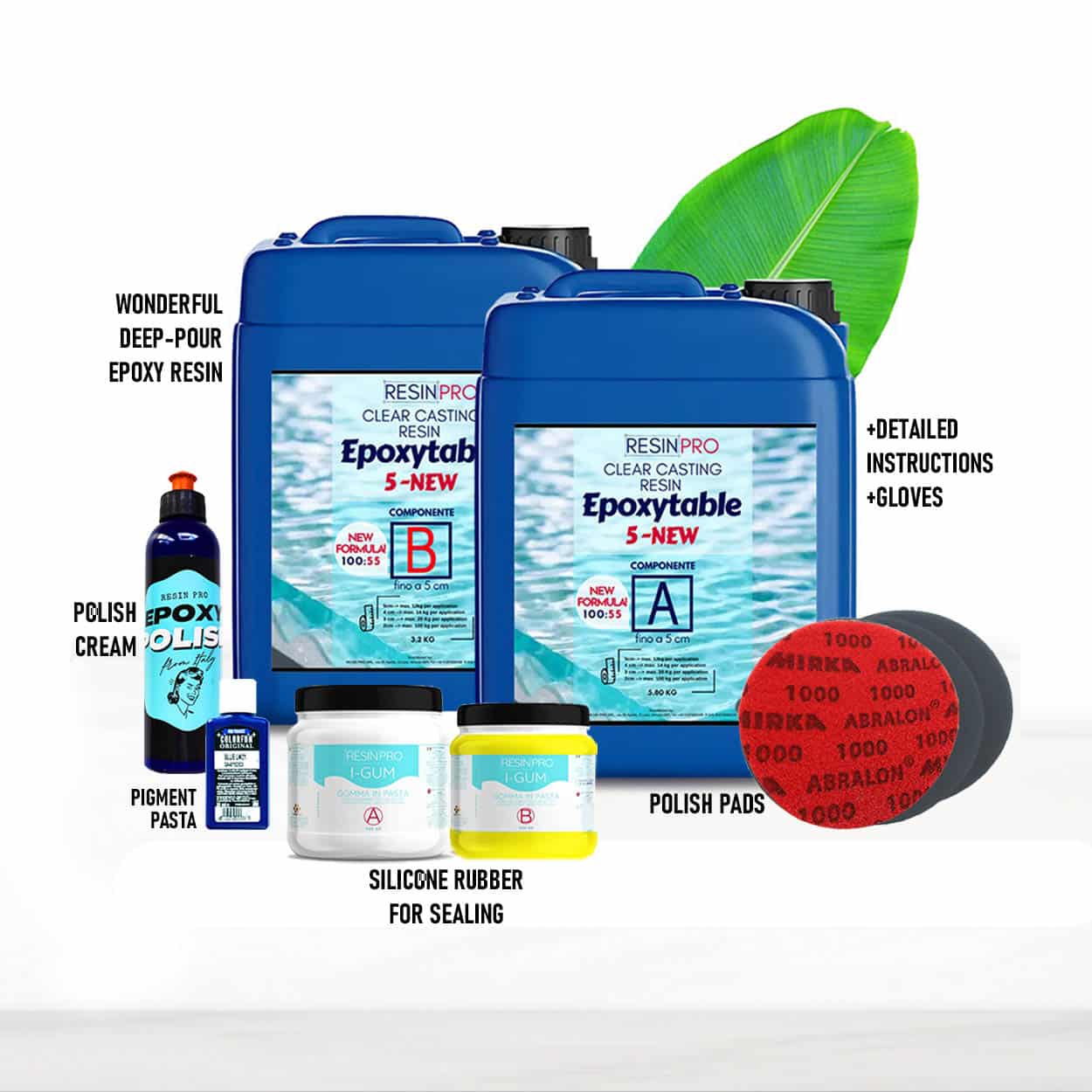
Different epoxy resins are formulated for specific layer thicknesses. Standard clear casting epoxy, like ‘Trasparente’, is suitable for layers up to 2cm in one pouring session. Some deep pour resins, as included in products such as the ‘River-Table’ Complete Kit, allow for pours up to 5cm in a single application, making them ideal for thick river tables or large castings.

Practical Tips for Pouring Epoxy Resin
- Choose the right resin: For projects under 2cm thick, multipurpose clear resins are a safe bet. For heavier sections, use specialised deep-pour formulas.
- Avoid overheating: Pouring resin too thickly, especially in warm conditions or when using heat guns for bubble removal, can create excess heat and spoil your work. Follow the manufacturer’s guidance for maximum thickness per pour.
- Work in layers if needed: If your project demands more depth, it’s safer to pour in multiple layers, allowing each to cure before adding the next.
When Layer Thickness Matters Most
Poorly judged layer thickness can lead to yellowing, bubbles, or unintentional cracks. It’s particularly vital for statement pieces—like river tables or memorial stones—where clarity and structure are the main focus. Beginners will find kits with clear instructions and suitable resins helpful to avoid common mistakes.

Related products
Related guides
Whether casting decorative art or building resin tables, knowing your epoxy resin’s safe pour limits is essential for professional results. For more on working creatively with resin, see our main guide on the origins of Resina Ora Ercolano.