 Free shipping on orders over £29,85
  Shipping Tracking!


 Google
 Facebook
← Back to At what temperature does resin crystallise?
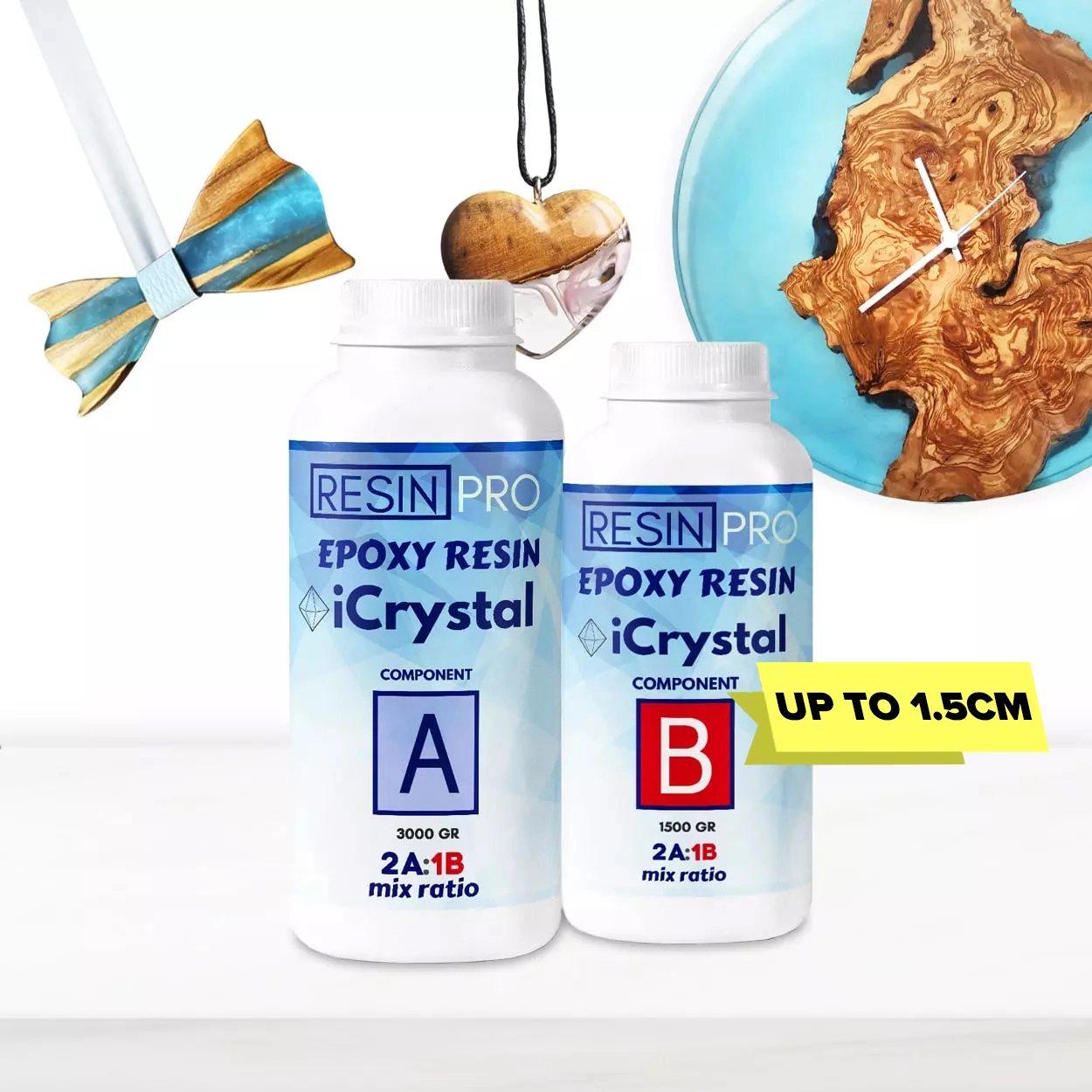
Choosing the right epoxy resin for table casting is essential for a crystal-clear finish that stands the test of time. Resisting yellowing and maintaining clarity depends on both the resin’s UV resistance and its ability to handle heat during curing and daily use.
Key Factors That Prevent Yellowing in Resin Tables
Yellowing in table resin is typically caused by UV exposure. Selecting a resin with strong UV filters is crucial for clarity and long-lasting results. All recommended resins here incorporate advanced UV protection, greatly reducing the risk of discolouration as your project ages. Heat resistance, typically up to 70°C, also helps protect the table surface from accidental heat exposure, minimising further yellowing and unwanted crystallisation effects.
Top Resin Choices for Table Casting
- Icrystal – Clear Epoxy Resin: Ideal for thin layer applications up to 1.5cm per pour, this odourless formula features robust UV filtering for clarity in art and furniture projects.
- EpoxyTable 5-Five: Suited for deep pours up to 5cm, offering enhanced UV stability and low exotherm during curing to avoid surface defects.
- Epoxytable 10-Ten: Designed for extra-deep castings up to 10cm, with a specialist low-bubble, low-heat reaction for large resin furniture.
Best Practices for Casting Resin Tables
For best results, always check the recommended maximum layer thickness per resin and pour in stages when needed. Ensure your workspace is dust-free and that the resin is mixed precisely by weight. Avoid direct sunlight during curing. Many makers favour Icrystal for fine art inlays or finishes, and deep pour options for ‘river tables’ or statement pieces.
When Anti-Yellowing Resin Matters
If your table will sit in a bright location or see frequent everyday use, using a UV-resistant, heat-tolerant resin ensures your investment looks vibrant and clear for years with minimal maintenance.
Related products
Related guides
For anyone looking to cast stunning, clear epoxy tables that resist yellowing, choosing a high-quality resin with proven UV and heat protection is a smart start. To further explore how temperature affects resin crystallisation and other helpful tips, see our main guide on resin crystallisation temperatures.