 Free shipping on orders over £29,85
  Shipping Tracking!


 Google
 Facebook
← Back to What are epoxy resins?
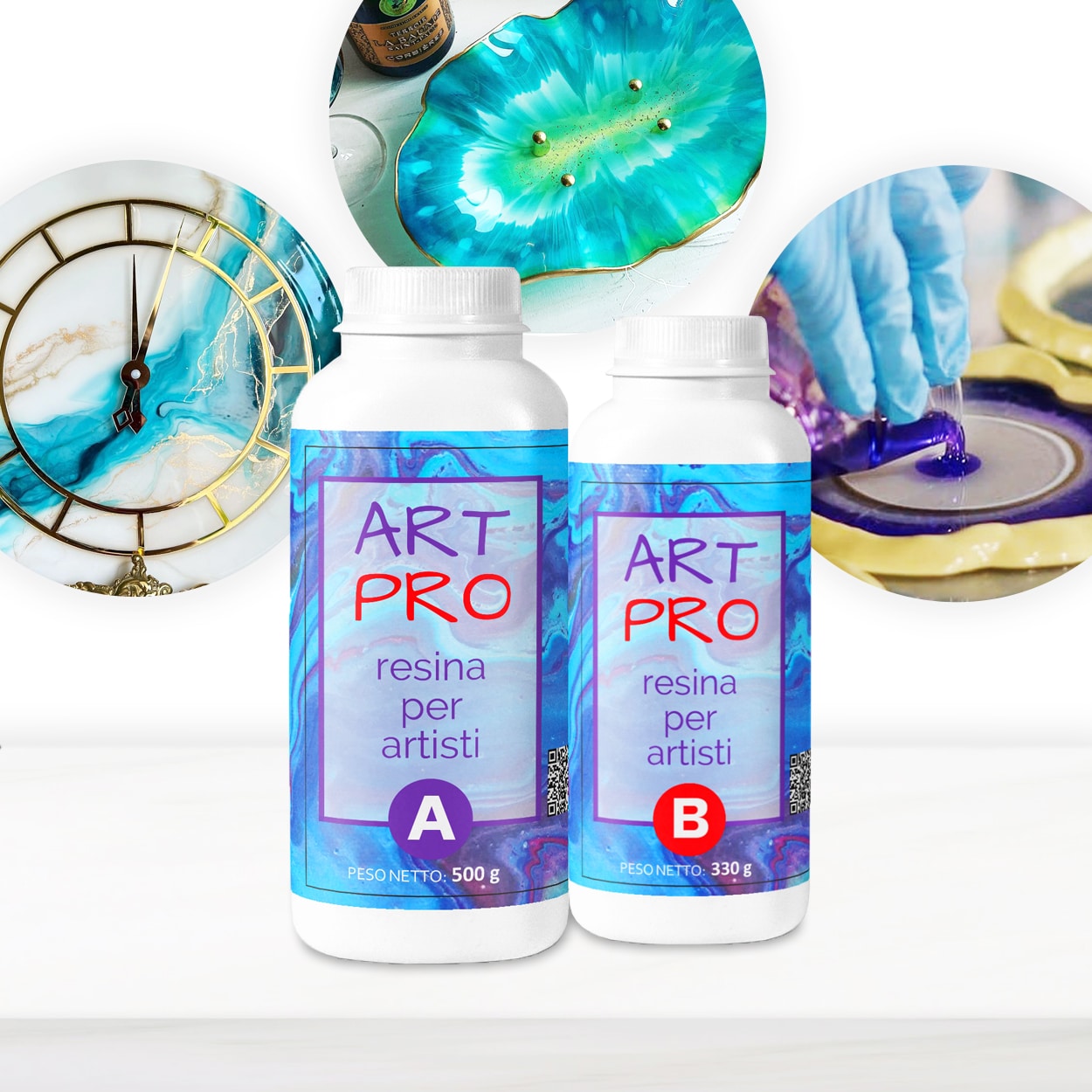
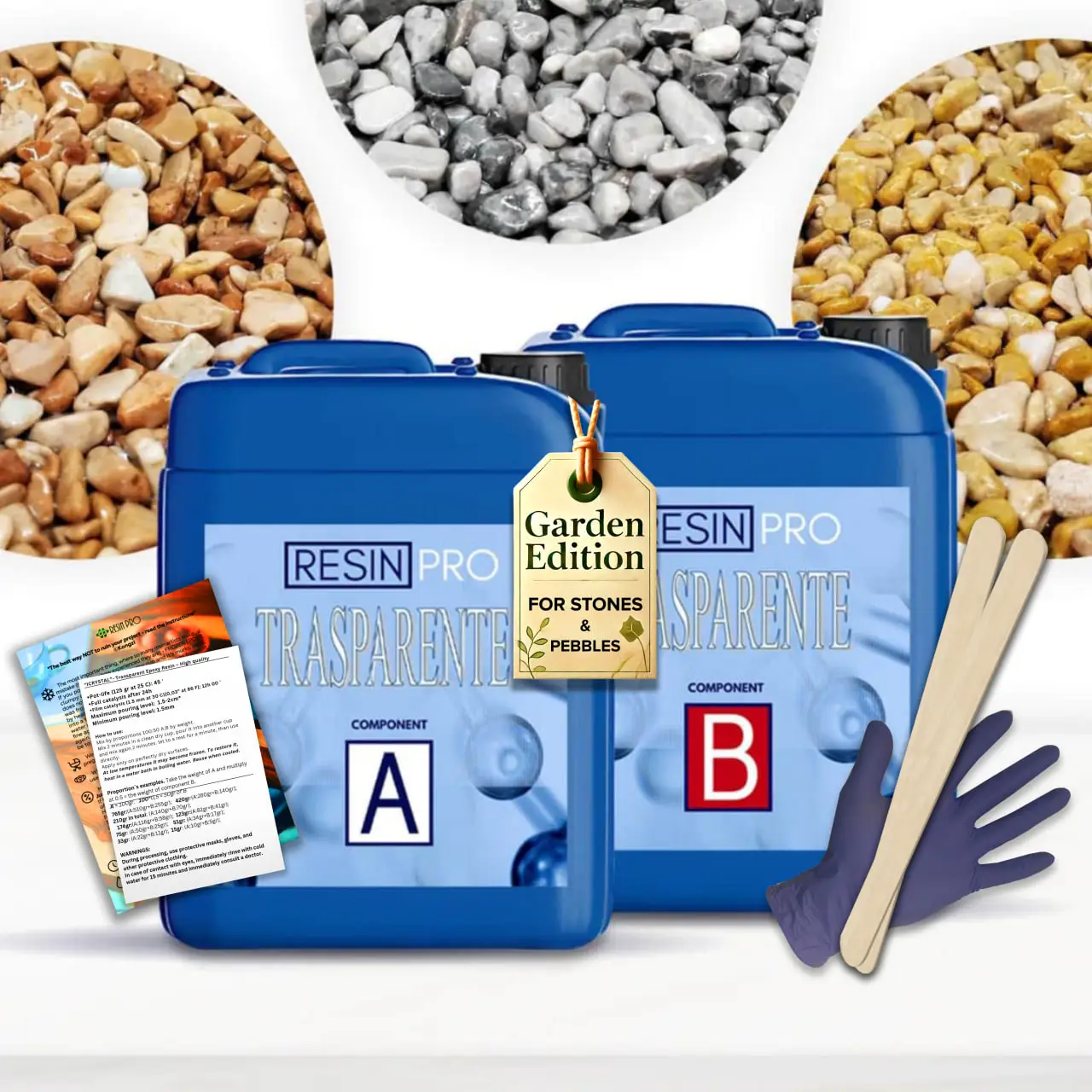
Epoxy resins come in a wide range of formulations, each tailored for specific applications like casting, coating, art, and even food-safe work surfaces. Knowing the differences can help you select the best type for your project and ensure reliable, attractive results.
Key Factors that Set Epoxy Resins Apart
The most noteworthy differences among epoxy resin types relate to clarity, resistance to yellowing from sunlight, allowable casting thickness, and whether they are certified safe for direct or indirect contact with food. Some formulas focus on a flawless, glossy finish for surface art, while others are designed for deeper pours or compliance with strict food safety regulations.
- Clarity: Clear resins such as Art Pro are ideal for artwork and transparent coatings.
- UV Resistance: Some products integrate UV filters to reduce yellowing, which is crucial for items exposed to sunlight.
- Casting Thickness: Check the product instructions—some multipurpose epoxies can be poured up to 2cm thick, while art resins are best for thin coats.
- Food Safety: Only specific resins, like EpoxyFood, have adopted independent testing and certification for safe food contact.


Choosing the Right Epoxy for Your Project
Consider both the intended application and any functional requirements. For vibrant artwork and decorative coatings, a resin that prioritises high-gloss clarity and scratch resistance, such as Art Pro, is usually preferable. Kitchen items or surfaces that may touch food should only be coated with a certified food-safe resin. For general casting or woodworking projects up to 2cm thick, a multipurpose clear resin such as Trasparente may suit your needs, especially if integrated UV protection and a non-toxic formula are important.
When These Differences Matter Most
If your project is exposed to direct sunlight, uses thick layers, or requires food safety, paying attention to resin type is vital. For instance, surface artwork in bright rooms or outdoor decorative floors should use UV-resistant formulas. Similarly, kitchenware and serving boards require certified food-safe resin, like EpoxyFood, to ensure suitability and peace of mind.

Related products
Related guides
Understanding the distinctions between common epoxy types equips you to achieve the best results, whether you’re casting, coating, or creating food-safe surfaces. Browse our main page on what are epoxy resins to explore more details and helpful guides for every project.