 Free shipping on orders over £29,85
  Shipping Tracking!


 Google
 Facebook
← Back to How to make resin stick to ceramic and metal?
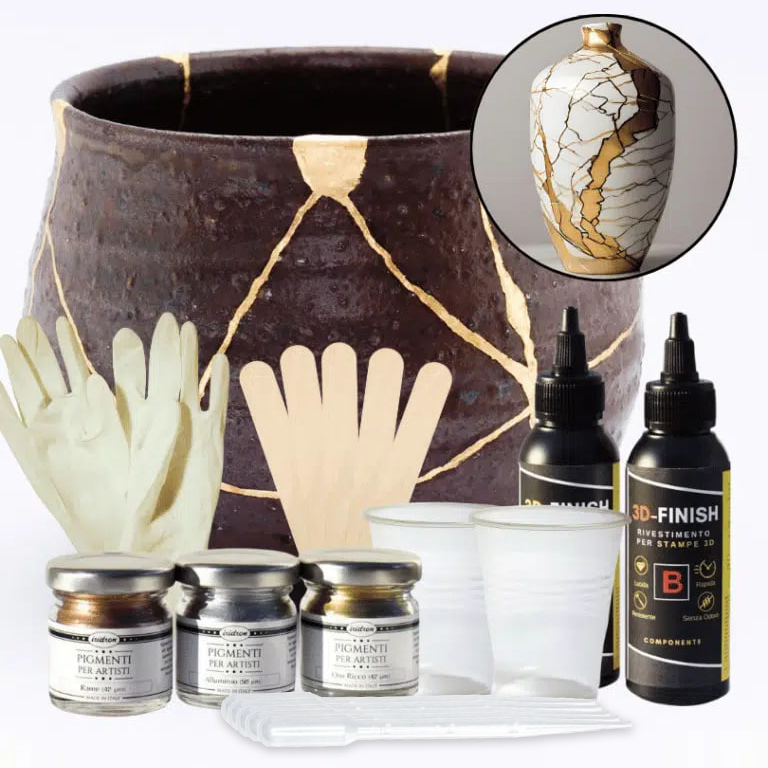
If you’re looking to repair ceramic or metal items that come into contact with food, it’s important to consider the safety of the resin you use. Not all resins are designed for food-contact use, so making the right choice is essential for both safety and long-lasting results.
Why Food Safety Matters for Resin Repairs
Standard repair resins, including many popular adhesive kits, are not certified as safe for direct food contact. This means repaired mugs, plates, or other kitchenware should not be used for serving or preparing food unless the resin specifically states food-safe certification. Using non-certified products on food-use items could pose health risks and should be avoided.
Choosing the Right Resin for Kitchenware
For items intended to touch food, seek out resins that are clearly certified for food contact. Products like Kintsugi repair kits offer decorative and durable results for ceramics, but, as noted by the maker, they are not food-safe. For kitchen and countertop resurfacing, specialised kits such as the “Stone Effect Collection” – Marble Epoxy Resin Countertop Kit can provide robust finishes, but always check the specification for any food safety information. If the label doesn’t mention suitability for food contact, do not use it on surfaces where food is served or prepared.
When This Matters
This guidance is especially important if you want to repair everyday crockery, mugs, or worktops that meet food or drink. Cosmetic repairs on decorative items don’t have the same safety requirements, but the moment food is involved, only certified food-safe products will do.
Related products
Related guides
If you are unsure about the suitability of resin for a specific repair, always focus on food-safety certification. Explore our main guide on making resin adhere to ceramic and metal for further advice on choosing the right product for your project.