 Free shipping on orders over £29,85
  Shipping Tracking!


 Google
 Facebook
← Back to How do you make resin mould release?
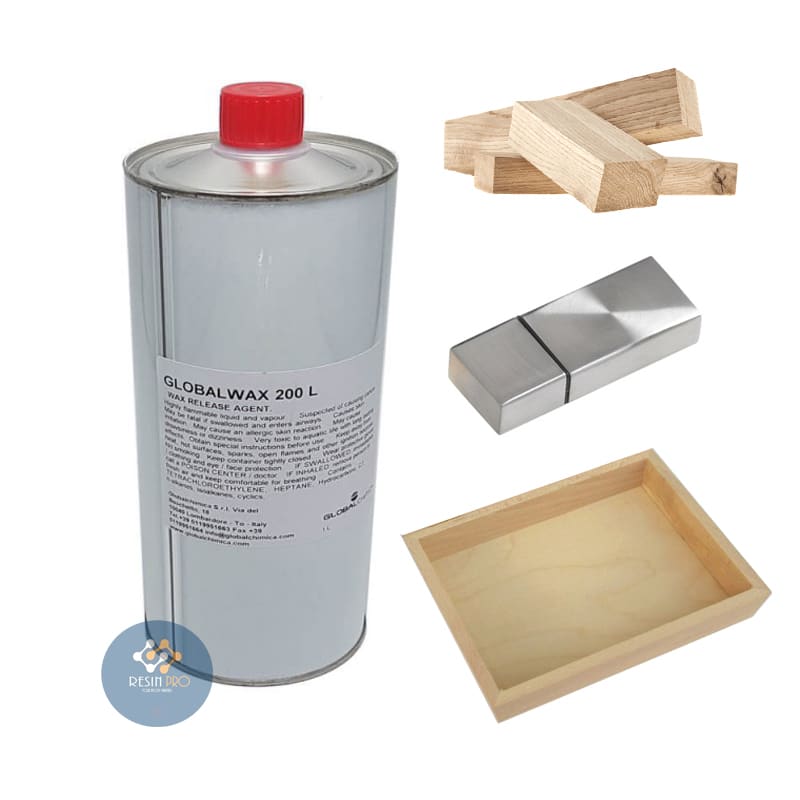
Ensuring effortless demoulding and preserving your mould’s lifespan starts with selecting the right release agent. For wood, metal, or plastic moulds, a well-chosen mould release prevents resin adhesion and simplifies the casting process.
Mould Release Options for Different Surfaces
When working with wood, metal, or plastic moulds, both liquid release agents and specialist films can make casting smoother. Liquid waxes, such as Global A2 Release Wax, create a protective film on the mould’s surface, effective across various materials and able to resist temperatures up to 180°C. For those preferring a non-liquid option, glossy release films line the mould and enable easy resin removal, particularly for larger or flat projects.
How to Apply Mould Release Agents
To achieve optimal results, ensure your mould is clean and dry before application. With liquid waxes, simply brush or wipe a thin, even layer over the entire mould surface and allow it to dry for a few minutes before pouring the resin. For sticky or intricate moulds, silicone oil can be applied as a light coating to improve release while maintaining mould flexibility. When using a release film, remove the backing and fix the film glossy side up to your mould before pouring the resin.
When This Matters
Choosing the right release agent is vital if your project involves detailed moulds, high-gloss finishes, or you need to re-use your mould multiple times. It also helps avoid surface defects and wasted material, saving time and resources in the long run.
Related products
Related guides
With the correct mould release system, casting resin in wood, metal, or plastic moulds becomes much easier and more consistent. For more techniques and advice, see the main guide on how to make resin mould release.