 Free shipping on orders over £29,85
  Shipping Tracking!


 Google
 Facebook
← Back to What are the advantages of using epoxy resin compared to other materials?


When working on large art pieces or furniture like river tables, choosing an epoxy resin capable of deep pours up to 10cm is essential. These resins are formulated to enable thick, clear layers without overheating or bubbles—a must for impressive, seamless results.
Why Choose Deep Pour Formulations?
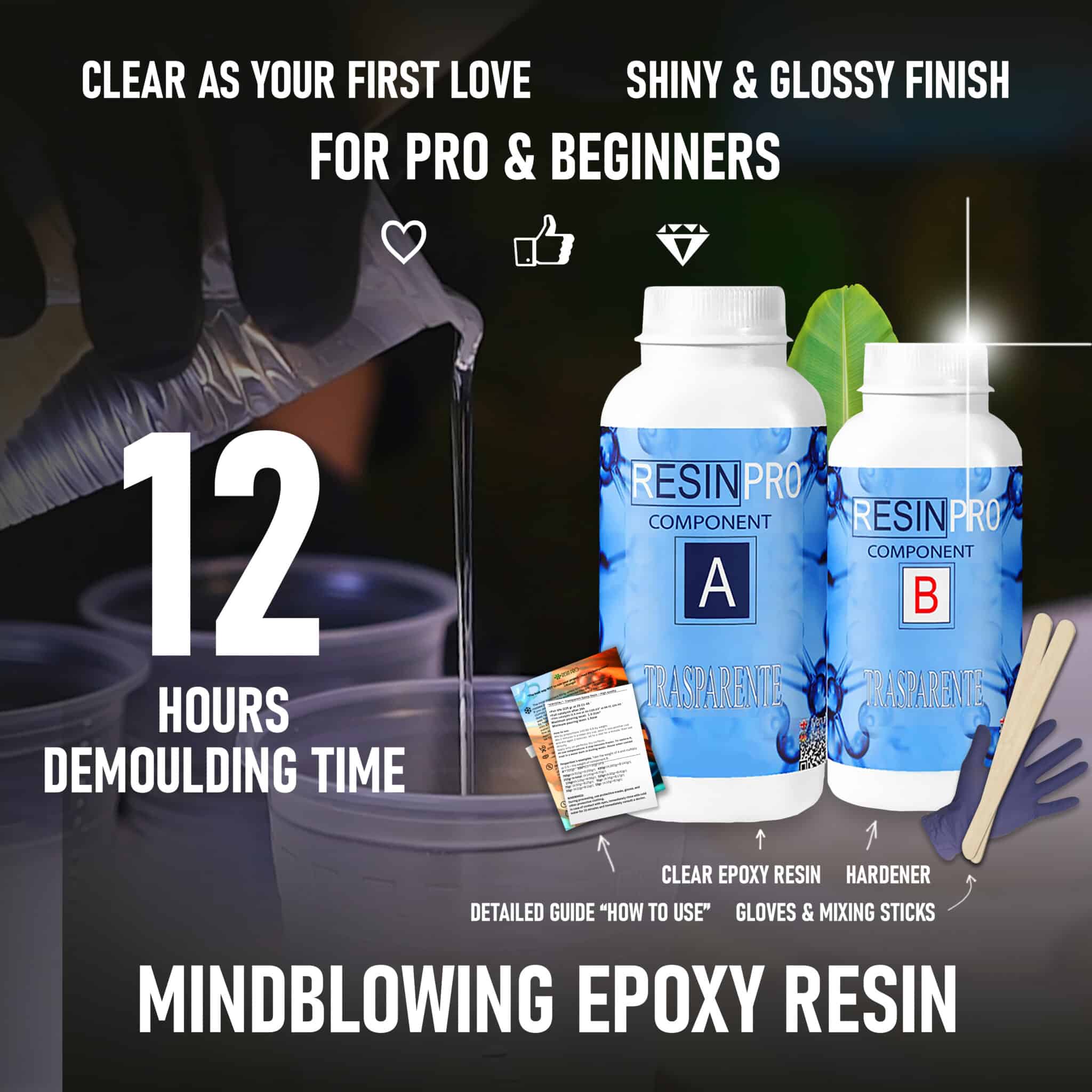
Standard epoxy resins are typically limited to layers of just a couple of centimetres due to concerns over heat build-up and incomplete curing. Deep pour epoxy formulas, such as Epoxytable 10-Ten, are designed with a much lower exothermic reaction and longer working times. This means thicker pours—up to 10cm in a single layer—can be achieved safely and without significant risk of yellowing or trapped bubbles, delivering clear and consistent results in one go.

Practical Tips for Success
- Preparation is key: Ensure your mould or form is properly sealed to prevent leaks. Work in a dust-free environment to maximise clarity.
- Don’t rush the pour: With an extended working time, you have the freedom to carefully layer your resin, incorporate decorative elements, or embed objects.
- Mind the temperature: Deep pour resins are optimised for room temperature environments. Avoid working in direct sunlight or near heat sources to prevent unwanted reactions.
Always refer to the specific instructions provided with your chosen resin for the best results on deep and clear castings.
When Deep Pour Matters Most
Deep pour epoxy is most valuable for river tables, thick tabletops, and large decorative castings where strength, transparency, and an even cure make all the difference. For slimmer applications or fine details, standard casting resins might be preferable.
Related products
Related guides
For ambitious woodworking or artistic projects requiring robust, crystal-clear layers, deep pour epoxy solutions stand out. Explore more about the advantages of epoxy resin over alternative materials in our comprehensive guide: What are the advantages of using epoxy resin compared to other materials?