 Free shipping on orders over £29,85
  Shipping Tracking!


 Google
 Facebook
← Back to How do you make a resin sink?
When casting a resin sink, the formwork material you select plays a pivotal role in the overall finish and ease of demoulding. Making the right choice will help you avoid headaches and ensure a flawless result.
Recommended Formwork Materials
For resin sink projects, melamine-faced boards or coated MDF are widely favoured. These surfaces are smooth, sturdy, and don’t absorb the resin. Their durability means they’ll hold shape even under the weight of a deep pour, and their finish makes removal less troublesome after curing.
Before assembling your form, it’s helpful to treat the inside surfaces with a high-quality release agent. This added step ensures the resin doesn’t bond permanently to your formwork, greatly improving demoulding without damaging your sink’s edges or surfaces.
Practical Preparation Tips
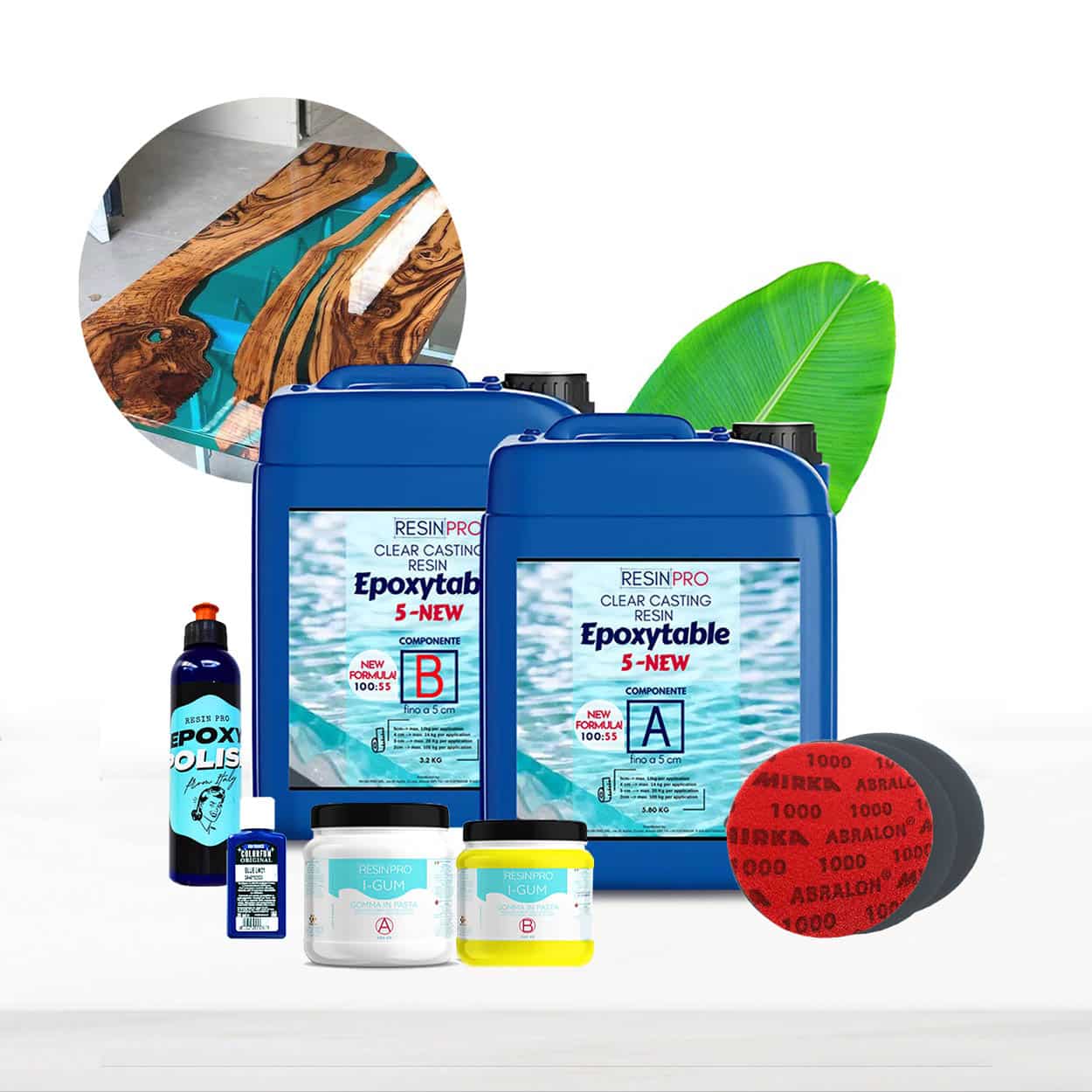
- Ensure all joints in your formwork are sealed with silicone to prevent resin leaks. Specialist silicone sealants, like those found in the “River-Table” Complete Kit, are particularly effective for this job.
- Apply a dedicated release agent or cover surfaces with a removable release film for easier release, especially if you plan to reuse your form multiple times.
- Double-check that every area which may touch resin is fully covered and sealed—resin finds even the smallest gaps.
When This Matters
Choosing proper formwork material is crucial when working with deeper pours, larger sink designs, or when surface finish is especially important. A well-prepared mould reduces the risk of stuck forms, rough demoulded edges, and costly mistakes.
Related products
Related guides
Selecting and preparing your formwork correctly sets the stage for a quality resin sink. For more guidance on every step of making a resin sink, return to our complete resin sink guide.