 Free shipping on orders over £29,85
  Shipping Tracking!


 Google
 Facebook
← Back to Where can synthetic resins be found?


Working with synthetic resins opens a world of creative possibilities for furniture and large-scale projects. From statement tables to structural wood repairs, selecting the right resin ensures both beauty and durability in your results.
Choosing the Correct Resin for Your Project
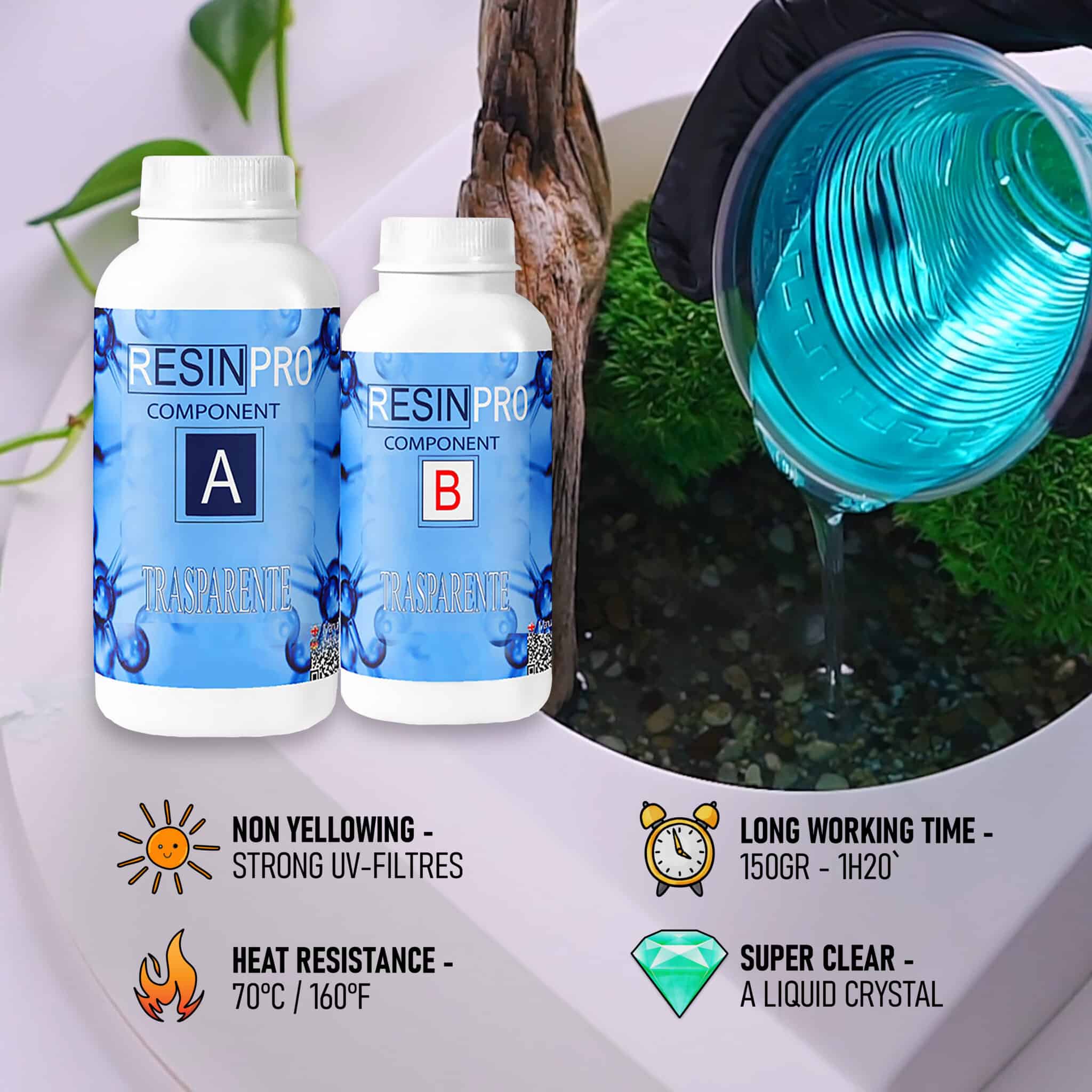
The size and nature of your furniture project will determine which epoxy resin is best. For deep pour applications such as river tables or thick castings, Epoxytable 10-Ten is specifically designed for pours up to 10cm, making it ideal for large, single-pour creations. If you’re working on thinner layers such as detailed tabletops or smaller decorative pieces, “Trasparente” delivers excellent clarity and a strong, scratch-resistant finish up to 2cm thick. For projects focused on wood protection or restoration, “EpoxyWood” penetrates deeply to reinforce and waterproof wooden surfaces.


Tips for Successful Large Resin Castings
- Layering: For very thick pieces, pour in stages as recommended by the resin manufacturer to minimise overheating and bubbles.
- Work Environment: Ensure your workspace is dust-free and maintains a stable temperature to achieve a smooth, even cure.
- Preparation: Carefully seal wooden moulds and repair any cracks before pouring resin to avoid leaks or uneven finishes.
- Mixing: Always follow the product’s mixing instructions closely to get the best clarity and cure every time.
When This Matters
Choosing the appropriate resin matters most when your project’s integrity and finish are critical—whether you’re creating a showpiece dining table, reviving an old wood surface, or casting large clear features that need to endure daily use.
Related products
Related guides
Understanding which synthetic resin suits your furniture or large project is key to achieving professional, lasting results. Explore more places where synthetic resins are used on our main FAQ page.