 Free shipping on orders over £29,85
  Shipping Tracking!


 Google
 Facebook
← Back to How to renew the color of plastic resin suitcases?
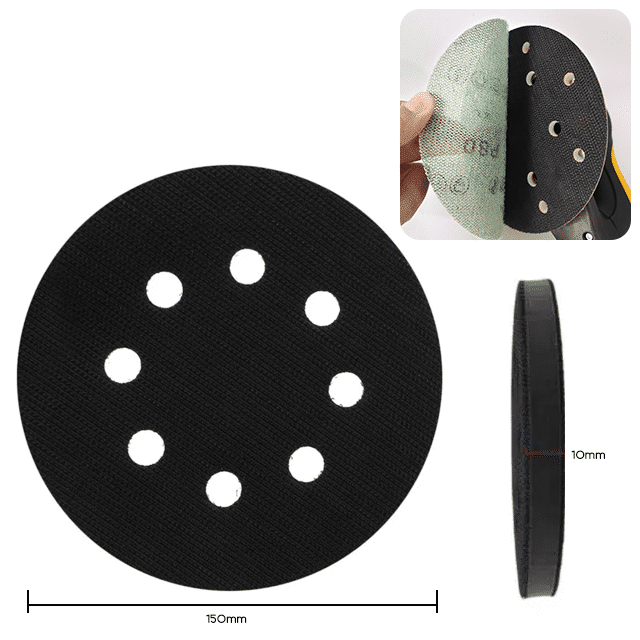

When renewing the colour of a plastic resin suitcase, gentle sanding is a crucial first step for achieving long-lasting, even adhesion of any tints, inks, or coatings you apply. Proper preparation sets the groundwork for vivid and durable results, making your restoration more successful.
Why Sanding Matters for Colour Renewal
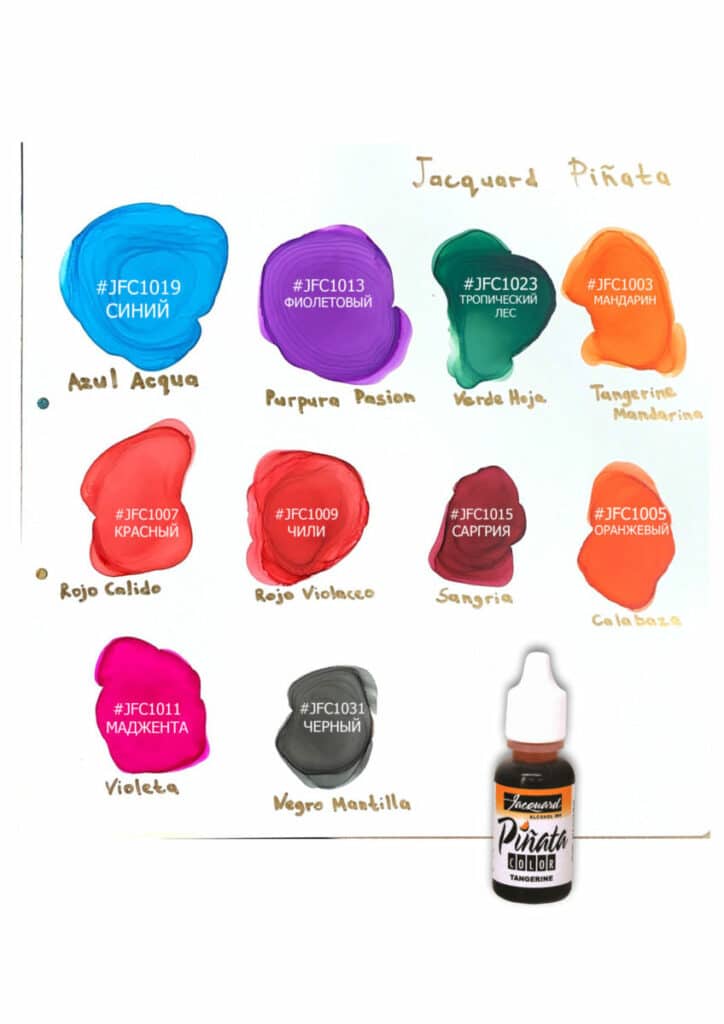
Plastic resin surfaces are often smooth and non-porous, which can prevent new colourants or coatings from bonding effectively. Light sanding creates a finely textured surface, increasing adhesion and helping colourant stay vibrant and uniform. This is especially important if you’re planning to use an alcohol ink like Jacquard Piñata for artistic finishes, or if you wish to apply a protective clear coating afterwards.
How to Sand Suitcases Safely
Always begin with the cleanest possible surface—wipe away dust, dirt, and grease with a mild detergent and let it dry. Use a soft, fine-grit sanding pad—a product such as the Mirka Sanding Interface Pad works well for plastic and resin. Work with gentle, even strokes, using just enough pressure to lightly scuff the exterior without digging in or damaging the material. After sanding, remove any residue with a soft cloth before moving on to colouring or coating.
When This Matters Most
If your suitcase’s surface is glossy or has faded unevenly, skipping sanding can cause patchy colour or poor durability. Gentle sanding is also important when renewing dark resin finishes; following up with a polish like Carbon Polish can help create a smooth, professional appearance after recolouring.

Related products
Related guides
Sanding may seem like a small step, but it is essential for lasting and professional-looking results when restoring your plastic resin suitcase. For complete guidance, see our main advice on how to renew the colour of plastic resin suitcases.