 Free shipping on orders over £29,85
  Shipping Tracking!


 Google
 Facebook
← Back to How long does UV resin take to cure in sunlight?
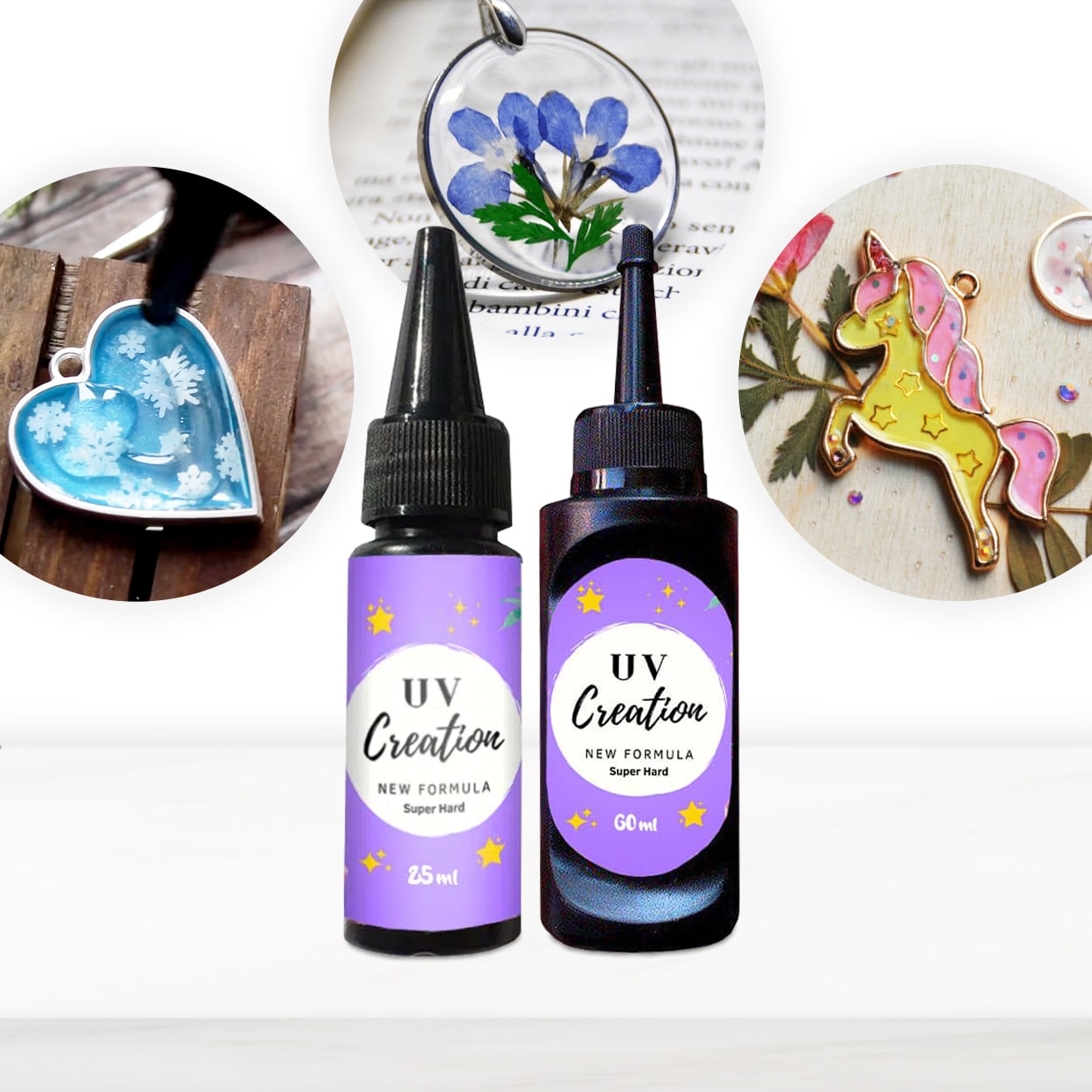
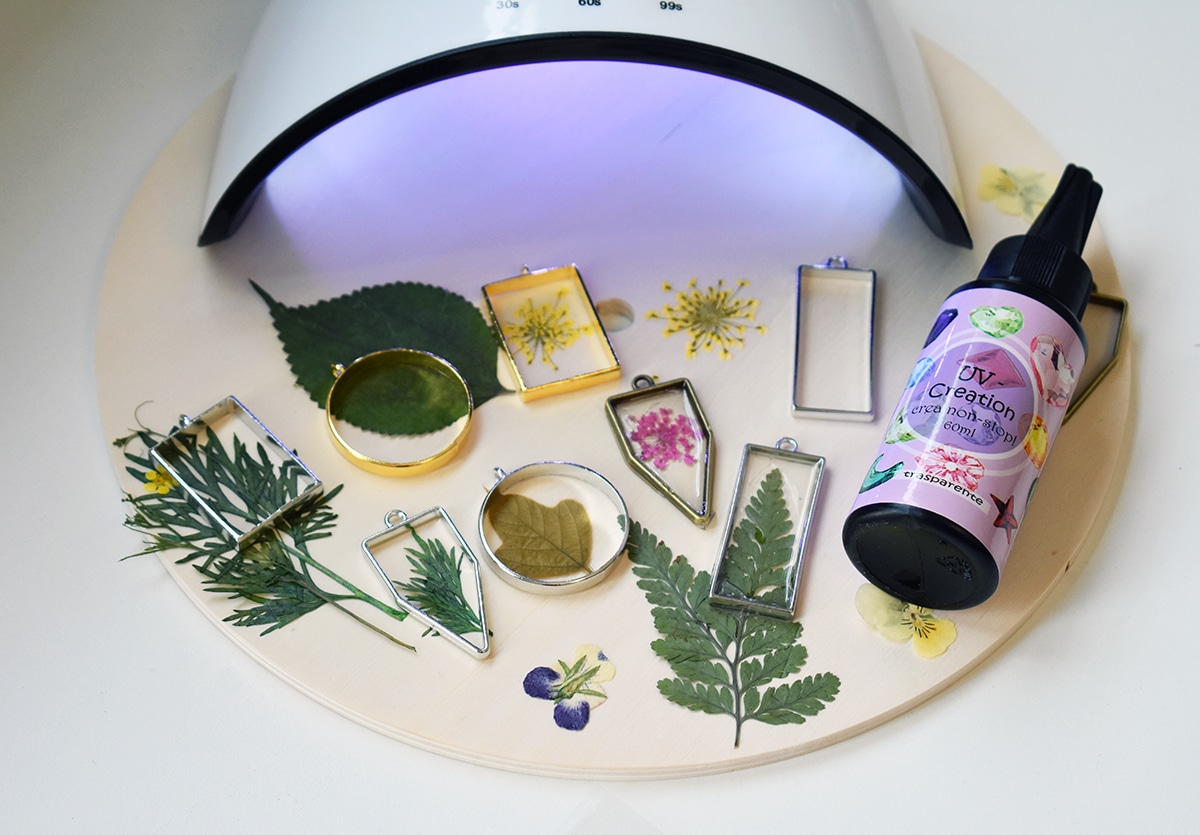
Ensuring your UV resin is properly cured after using sunlight is crucial for the durability and finish of your craft projects. Here’s how to recognise when your resin is truly ready for handling and the next creative step.
Key Signs of Full Sunlight Cure
Check your resin piece after exposure to sunlight. A fully cured UV resin should feel hard, not sticky to the touch, and should not deform when you press it gently. If the surface remains at all tacky or rubbery, it needs further exposure. Compared to curing under a UV lamp, results in sunlight can take longer, especially if the weather is variable or if your resin layer is thick.
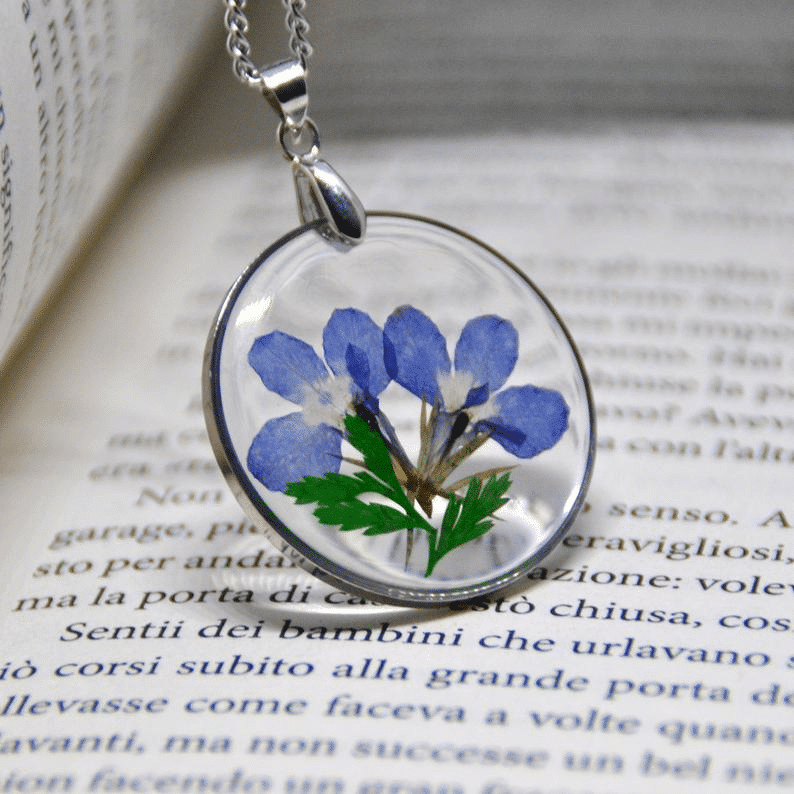
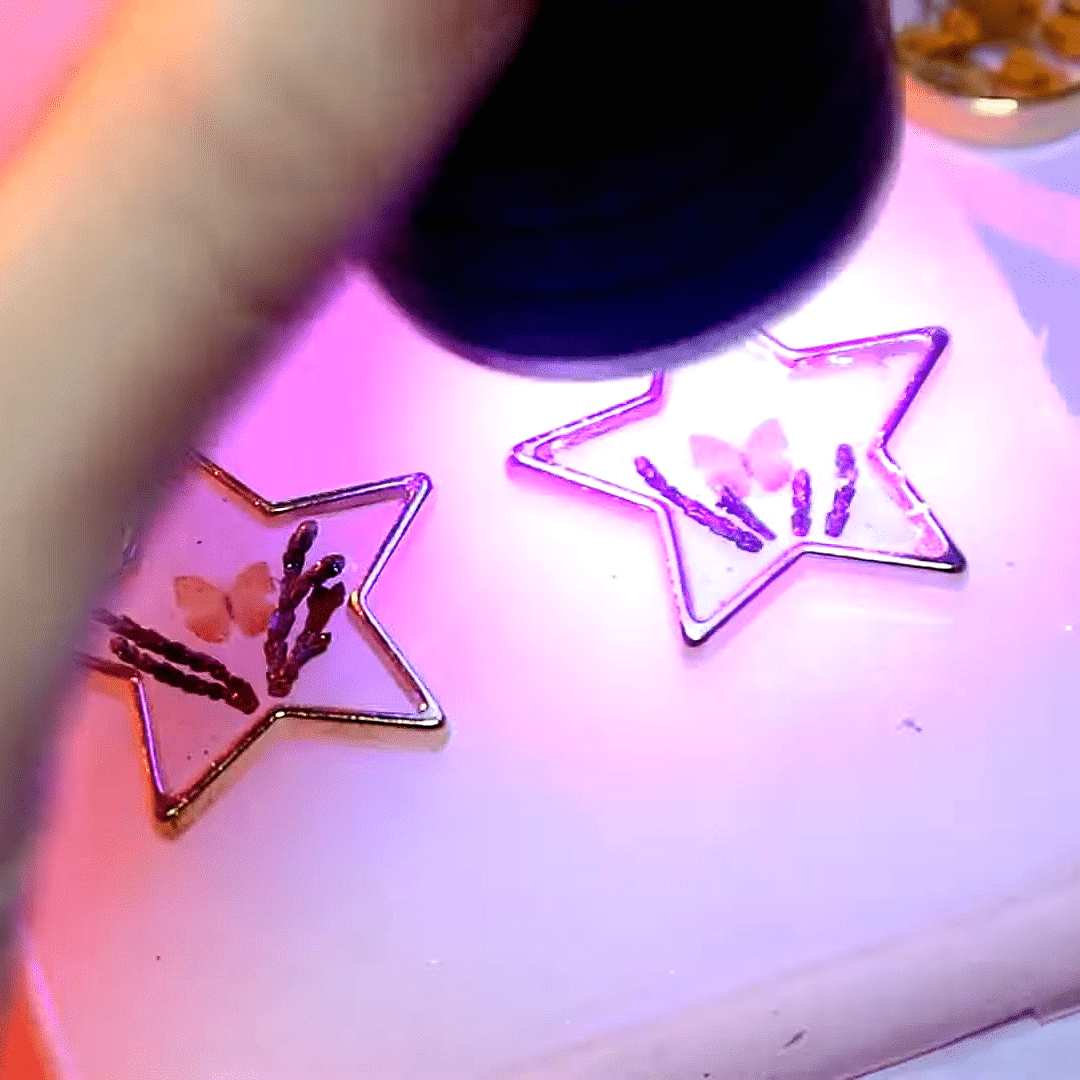
What to Do if Resin Feels Sticky After Sunlight
If you find the surface sticky or notice a slight dent when pressed, place your item back in direct sunlight for another few minutes, ensuring all sides are exposed. If cloudy weather prevents strong light, consider using a 21 LED UV Torch for a more reliable finish. UV lamps provide a consistent cure even when natural light levels drop.
When This Matters Most
- For jewellery: Full cure ensures no residue transfers to skin or clothes.
- For layered art: Each layer must be fully set before adding the next to avoid clouding or imperfections.
- During finishing: Premature handling can cause fingerprints or dull spots.
Related products
Related guides
Knowing when your UV resin is fully cured after sunlight exposure protects your work and lets you move confidently to sanding, adding layers, or assembling pieces. For further guidance on sunlight curing times and alternatives, visit our main guide on how long UV resin takes to cure in sunlight.