 Free shipping on orders over £29,85
  Shipping Tracking!


 Google
 Facebook
← Back to How to Make Cement Resin
If you’re working on cement resin projects that may encounter higher temperatures, understanding heat resistance – especially up to 70°C – is key. This guide explains what this level of heat resistance means for your resin floors, surfaces, and decorative features.
What Does 70°C Heat Resistance Mean?
Epoxy resins with heat resistance up to 70°C can tolerate moderately warm conditions without softening or losing their clarity. This is suitable for environments where surfaces might be exposed to hot drinks, brief contact with cookware, or solar-heated outdoor spaces. However, prolonged direct heat above this threshold can lead to softening, so placing extremely hot items directly on the surface is not advised.
Choosing the Right Epoxy Resin
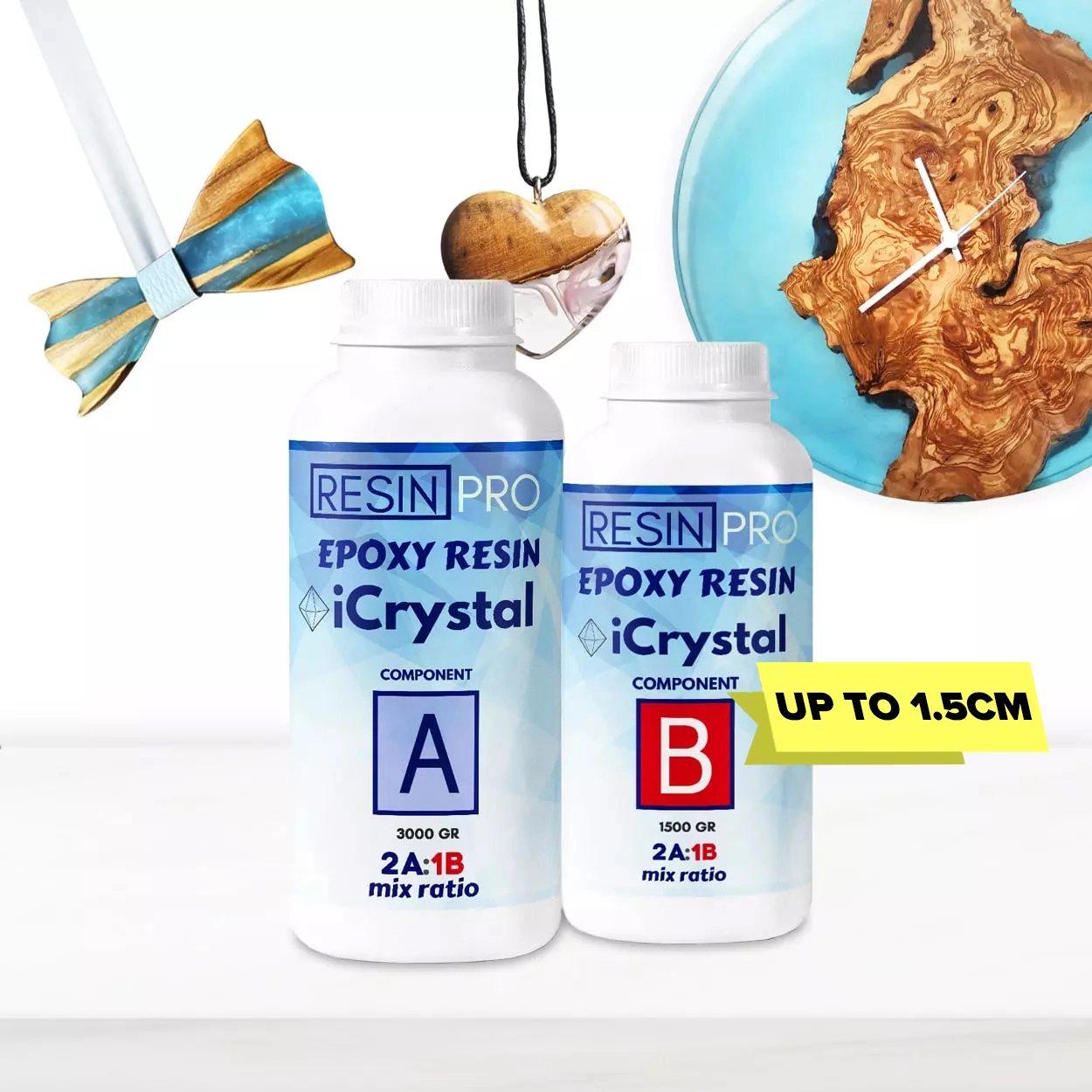
For cement resin floors, tabletops, or decorative installations, selecting an epoxy resin formulated for heat resistance up to 70°C helps ensure longevity and durability. The “Icrystal” Clear Epoxy Resin is specifically noted for this level of heat resistance, providing a robust, scratch-resistant finish suitable for furniture, pebble surfaces, and creative projects. When mixing resins with aggregates or applying as a coating, always check the recommended thickness and follow all mixing instructions for best results.
When This Matters
Consider epoxy resins with this specification if your surface will be in kitchens, living rooms, or sunny outdoor areas, where warm objects or seasonal warmth may be a factor. It’s particularly relevant for tables, counters, or pebble pathways that could warm up under direct sunlight or occasional contact with mild heat sources.
Related products
Related guides
Looking to create a cement resin surface with dependable heat resistance? Understanding these requirements will help you choose the right product and achieve excellent, lasting results. For more tips and full instructions, visit our main How to Make Cement Resin guide.