 Free shipping on orders over £29,85
  Shipping Tracking!


 Google
 Facebook
← Back to How to Make Cement Resin
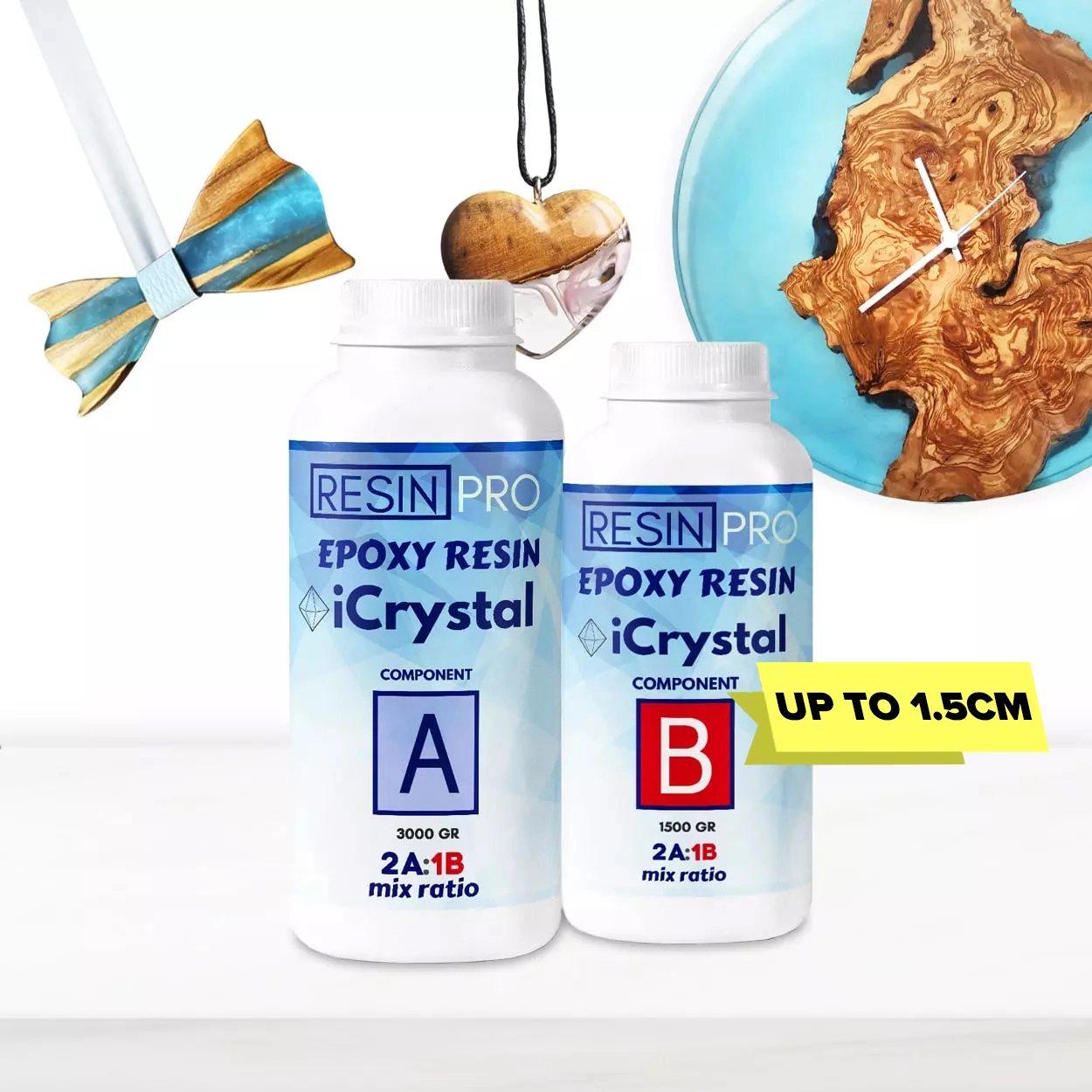
For cement resin surfaces, ensuring high scratch resistance is key to maintaining a lasting, attractive finish. Whether it’s a decorative floor, table, or worktop, the choice of resin plays a major role in durability and everyday performance.
Choosing a Resin with Scratch Resistance
Not all epoxy resins offer the same level of scratch resistance. When selecting a product for use in cement resin applications, opt for resin formulas that specifically mention hard, resilient finishes and integrated UV filters. For example, “Icrystal” Clear Epoxy Resin is designed with scratch resistance in mind, making it especially suitable for tables, worktops, and decorative overlays that see frequent use.
Best Application Practices for Maximum Durability
Achieving high scratch resistance goes beyond product choice; proper mixing, pouring, and curing are crucial. Ensure surfaces are clean and fully dry before application. Always follow the recommended mixing ratios and thickness limits—overpouring can compromise the final finish. Aim for thin, even layers up to the specified maximum (often 1.5cm to 2cm per pour). Allow sufficient curing time in a dust-free environment to protect the clear, glossy result.
When High Scratch Resistance Matters Most
- High traffic areas: Entryways, retail spaces, and kitchens benefit from increased surface hardness.
- Worktops and tables: Regular daily use exposes these surfaces to scuffs and abrasion.
- Decorative pieces: Resin artwork and inlays maintain their brilliance longer with scratch protection.
Related products
Related guides
Choosing the right resin and applying it with care will help you create a cement resin surface that stands up beautifully to everyday wear. For more detailed guidance on cement resin creation and the right products for your project, see our main How to Make Cement Resin guide.