 Free shipping on orders over £29,85
  Shipping Tracking!


 Google
 Facebook
← Back to How to get low-cost epoxy resin?
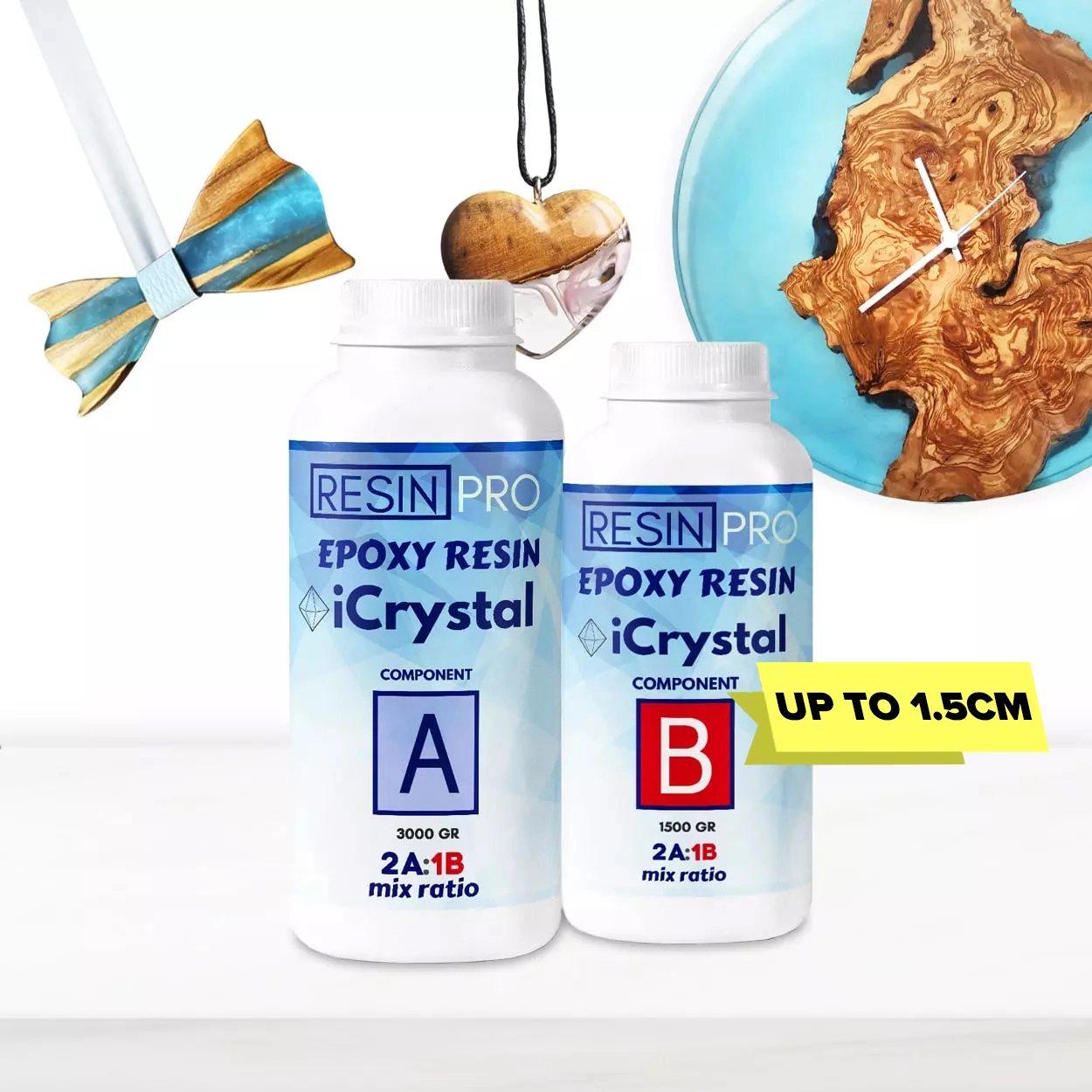
If you’re looking for a smooth, glossy table finish that holds up well to daily knocks and scratches, choosing a highly scratch-resistant epoxy resin is essential. Let’s explore the key features and guidance for the best results on table projects.
What Makes an Epoxy Resin Scratch-Resistant?
Scratch resistance depends on the resin’s formulation and curing process. High-quality epoxy resins, such as “Icrystal”, are engineered for surface durability, offering a robust finish ideal for tables subjected to frequent use. These resins typically set to a hard, glass-like surface that resists everyday abrasions, making them well suited for dining and coffee tables, kitchen islands, and worktops.
Choosing and Applying the Right Resin
For tables, it’s important to select a resin with a proven record of stability under daily wear. Resins designed for surface use—like “Icrystal” for up to 1.5cm thickness or “Trasparente” for up to 2cm—are popular options. Always follow the recommended mixing ratio and ensure your work area is well-ventilated. Applying in thin layers and allowing each coat to fully cure improves both durability and the overall appearance. To add a decorative touch, kits such as the “Trasparente” Epoxy Resin Kit come with mica powders for a personalised finish.
When to Consider High Scratch Resistance
If your table is used daily for dining, working or crafts, or if it’s in a busy household with children and pets, the enhanced scratch protection from a tough epoxy finish makes all the difference. These solutions are also suitable for restoration projects where surface durability is crucial.
Related products
Related guides
Choosing an epoxy resin formulated for high scratch resistance ensures your tables and surfaces remain looking great for years, all while staying within budget. Explore further advice or options on the main epoxy resin FAQ page.