 Free shipping on orders over £29,85
  Shipping Tracking!


 Google
 Facebook
← Back to How do you colour dry resin?
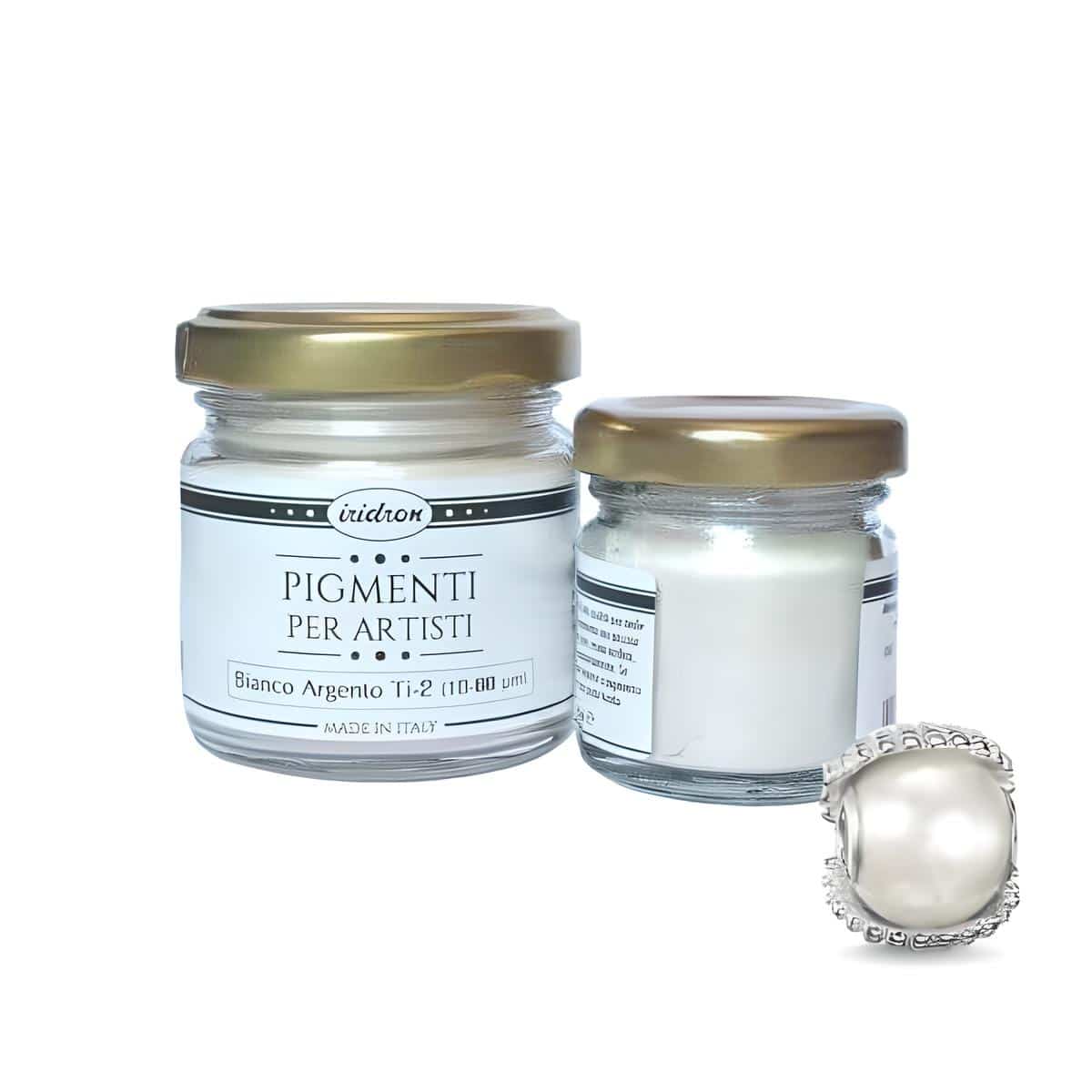
Resin artists and makers often seek pigments that can withstand elevated temperatures without losing their vibrancy or luminescence. Choosing the correct pigment is essential if your resin project will face heat – whether during curing, casting, or later use.
Understanding High-Temperature Stable Pigments
Certain pigments, such as mica-based options, are formulated for resilience against heat. The Pearline Pigments range offers mica-based, pearlescent pigments with strong lightfastness and good stability at elevated temperatures. This makes them ideal in resin systems destined for settings where exposure to heat might occur, such as sunlit tabletops, coasters for hot drinks, or decorative glazing.
Best Uses and Practical Application Tips
- Glazing Transparent Resin: Mica-based pigments provide shimmering, unique chromatic effects when used as a glazing layer over cured resin.
- Mixing Techniques: Even small amounts can impart a dramatic effect; always blend thoroughly to ensure even distribution and avoid colour pockets.
- Resin Compatibility: While mica pigments, such as “Iridron”, excel with transparent resins, liquid colourants like Colourfun are suited for both transparent and opaque mix-ins. It’s important to check pigment compatibility with your chosen resin system for best heat-resistant results.
When High-Temperature Stability Matters
Choosing heat-stable pigments is particularly important for resin projects expected to withstand sunlight, warm liquids, or ambient heat near kitchen surfaces or windowsills. Using pigments not designed for such conditions may lead to discolouration or fading over time.
Related products
Related guides
If you plan resin pieces for environments where heat is a factor, selecting pigments with high-temperature stability ensures your finishes remain beautiful and long-lasting. Explore more resin pigment options and colouring techniques on our main guide to colouring dry resin.