 Free shipping on orders over £29,85
  Shipping Tracking!


 Google
 Facebook
← Back to How is Venetian resin?
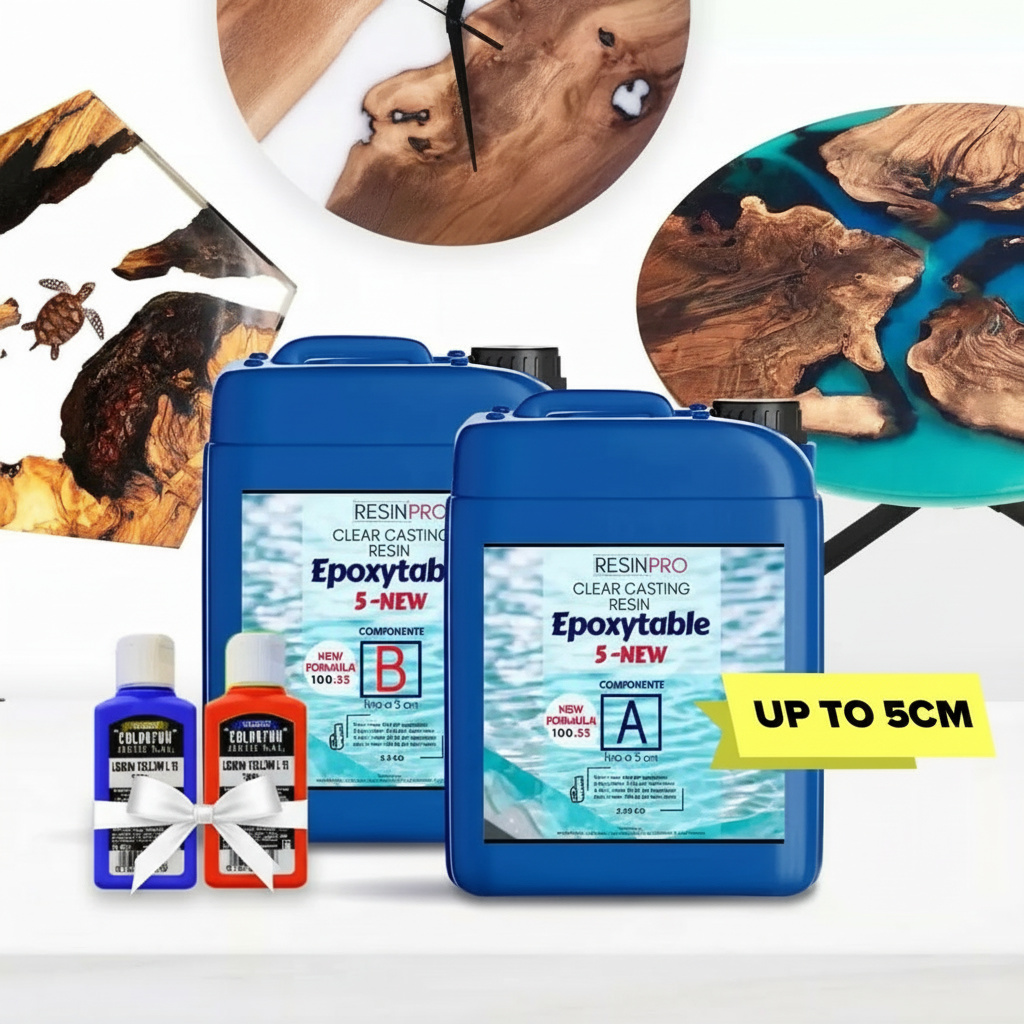

If your project demands a resin finish that withstands wear, knocks and everyday use, choosing a mechanically resistant epoxy is essential. The right formulation ensures lasting durability and beauty for tables, countertops, and art pieces.
Selecting a Mechanically Resistant Resin
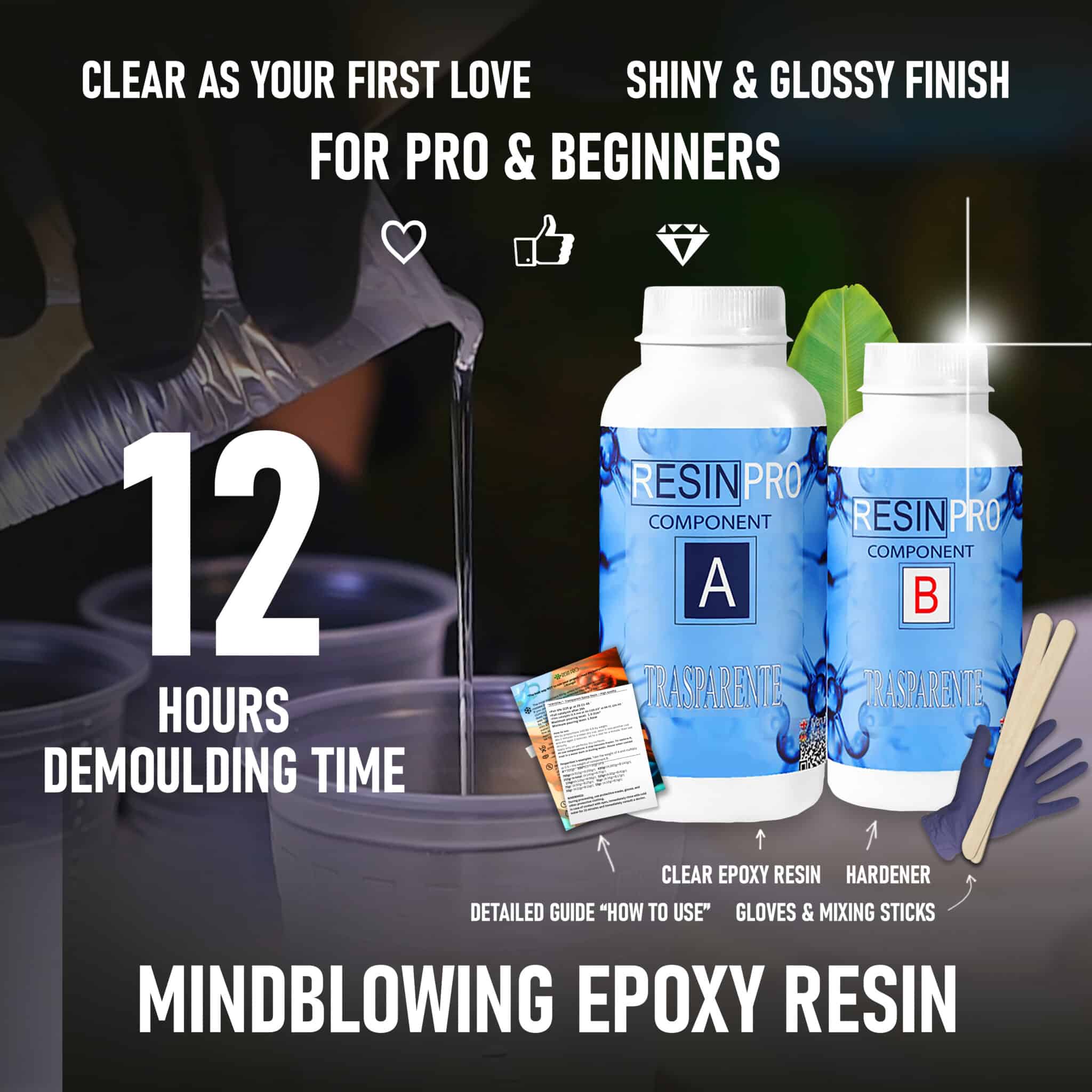
Not all epoxies deliver the same level of scratch and impact resistance. Products like EpoxyTable 5-Five are engineered specifically for projects where a tough, highly mechanical resistant surface is vital. This resin allows deep pours up to 5cm and contains UV filters to help maintain clarity and lessen yellowing. For thinner layers or detailed work, Icrystal or Trasparente also offer high scratch resistance, ideal for smaller surfaces and artistic work.

Best Practices for Durable Results
- Prepare the Surface: Make sure your base is clean, dust-free, and well levelled.
- Mix and Pour Carefully: Follow the manufacturer’s ratio and stirring guidelines—undermixing can weaken the structure.
- Layer Thickness: Respect recommended maximum thicknesses (e.g. up to 5cm for EpoxyTable 5-Five) to avoid overheating and ensure full curing.
- Allow Full Cure: Let the resin fully harden before exposing it to heavy use to maximise resistance.
When Does Mechanical Resistance Matter Most?
High mechanical resistance is particularly important for pieces like dining tables, countertops, art surfaces, or any project that will face frequent handling, movement, or abrasions. Investing in the right resin ensures your work remains both striking and serviceable over time.
Related products
Related guides
Understanding how to achieve a highly mechanical resistant resin surface is key to both the function and look of your project. For more on Venetian resin techniques and materials, visit our main guide on Venetian resin.