 Free shipping on orders over £29,85
  Shipping Tracking!


 Google
 Facebook
How can I prevent epoxy resin from overheating during the curing process?
Practical guide to safe pouring and temperature control for resin projects

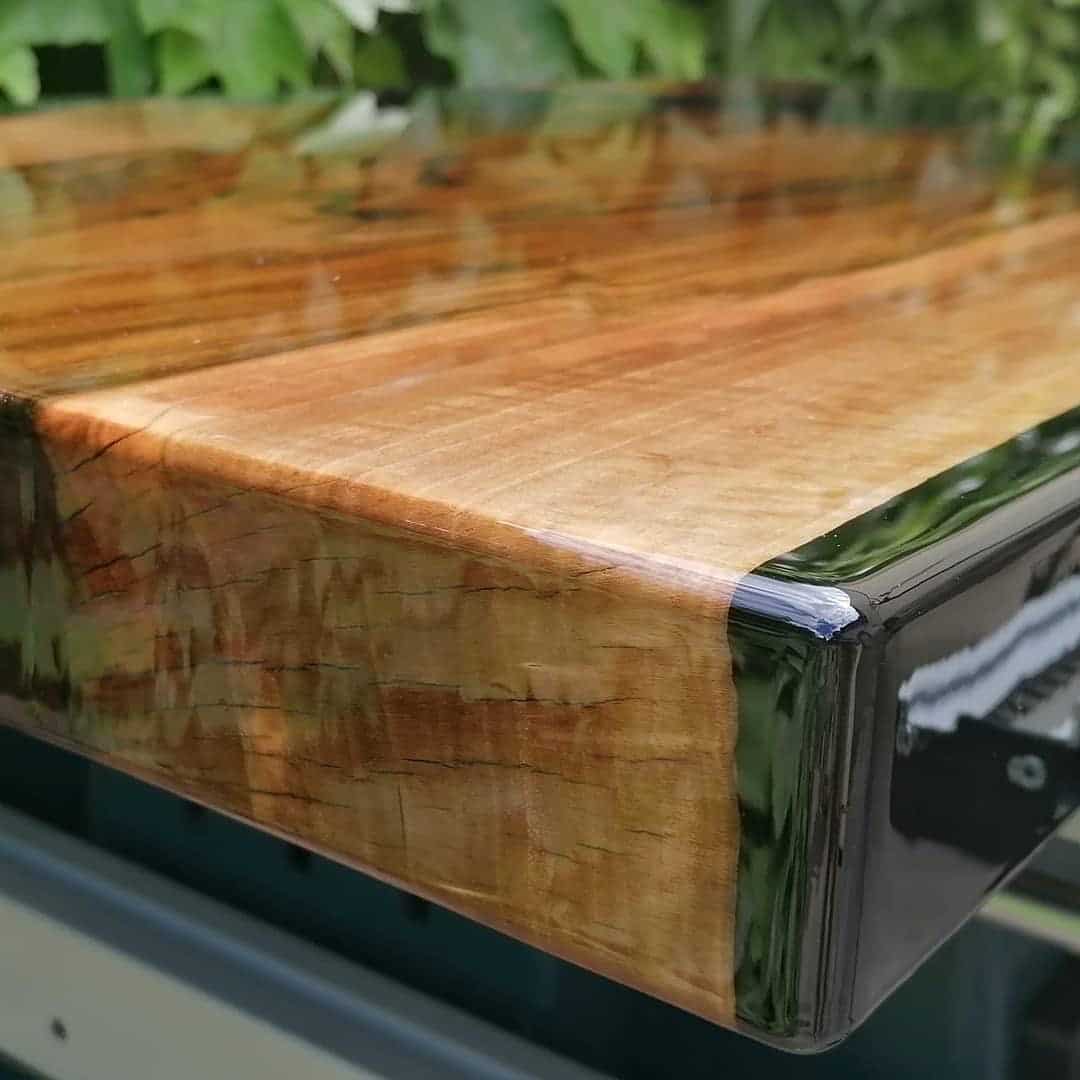
Epoxy resin is a versatile material cherished for its clarity, strength, and artistic flexibility. However, one key concern for professionals and DIY enthusiasts alike is preventing the resin from overheating during the curing process. Overheating, or exotherm, can cause bubbles, cracks, yellowing, warping, or even dangerous smoke. Fortunately, with the right product selection and pouring techniques, these risks can be easily controlled.
This guide explains how to minimise heat build-up and introduces a range of epoxy resins formulated to offer safer, controlled curing at every project scale. From deep river tables to delicate kitchenware, explore solutions for optimal results every time.
Comparing Epoxy Resins for Safe Curing
The core factor in preventing overheating is choosing a resin system designed for your pour thickness. Layering, product formulation, and application techniques also play vital roles. Here’s a quick overview of the best ResinPro products for different needs:
- “Epoxytable 10-Ten” – Deep Pour Epoxy Resin for Tables, Up to 10cm Casting: Developed specifically for super-deep casting projects (up to 10cm per layer) with a Low exothermic reaction prevents overheating during curing even in large-scale pours.
- “EpoxyTable 5-Five” – Deep Pour Epoxy Resin for Tables and Large Projects – Up to 5cm: Tailored for medium-depth pours (up to 5cm) such as river tables, countertops, and art installations. This formula offers a Low exothermic reaction suitable for thick castings without overheating.
- “Trasparente” – Multipurpose Clear Epoxy Resin for Casting – Up to 2cm: Designed for thin to standard castings up to 2cm, especially in woodworking, fine art, and restoration. Formulated for layers up to 2cm thickness to help avoid overheating during curing—perfect for crystal-clear, durable detail work.
- “Icrystal” – Clear Epoxy Resin – Odourless Formula – Up to 1.5cm: Suited for surface coatings, art pieces, and jewellery. Its formulation supports controlled curing to avoid overheating with manageable layer thickness and minimal odour.
- “EpoxyWood” – Wood Restoration Epoxy Resin for Deep Penetration and Waterproofing: Best for restoration and waterproofing of wood, rather than thick castings. Designed to reinforce wood from within, reducing heat risks by deep penetration and controlled curing.
- “EpoxyFood” – Certified Clear Food Contact Epoxy Resin for Coating: For food-safe coatings on kitchenware, plates, and chopping boards. Designed to be used safely without additives or dyes which could affect curing temperature or safety.
Each of these products is carefully engineered to meet Britain’s diverse resin crafting needs while helping you avoid overheating.

Safe Pouring Demonstration for Thick and Thin Castings
Watch side-by-side pouring demonstrations of Epoxytable 10-Ten, EpoxyTable 5-Five, and Trasparente into moulds of varying depth. Notice how each resin maintains manageable curing temperatures and prevents surface defects even in thicker or detailed projects. Our expert tips highlight the correct use of layer waits and workspace cool-downs for safety and clarity every time.
Key Techniques to Prevent Epoxy Resin Overheating
Proper application is as crucial as product choice for safe, beautiful results. Follow these techniques with your resin system:
- Respect Max Pour Thickness: Always pour within the manufacturer’s recommended layer. For example, use Epoxytable 10-Ten up to 10cm, EpoxyTable 5-Five up to 5cm, Trasparente up to 2cm, and Icrystal up to 1.5cm per layer.
- Use Layering for Large Projects: If your casting project is large (e.g., when one side exceeds 100cm or total epoxy exceeds 8kg), do multiple pours. Wait 6–8 hours between each layer to avoid excess heat build-up.
- Optimise Room Temperature: Keep your workspace cool and ventilated—ideally 18–22°C. Excess warmth will accelerate curing and could increase the risk of overheating.
- Mix Gently in Small Batches: Hand-mixing smaller amounts means less exothermic heat generated at once. Avoid using a heat gun or external heat sources which can increase exotherm.
- Select Appropriate Tools: Use clean, dry, and sanded surfaces for restoration or coatings as with EpoxyWood for optimal adhesion and safe curing.
By pairing these pouring and preparation tips with resin types designed to limit exotherm, you minimise the chance of surface defects or safety risks.
Expert Recommendations by Project Type
Epoxytable 10-Ten and EpoxyTable 5-Five are preferred for deep river tables and large thick-pour installations. For pieces less than 2cm thick—such as jewellery, coasters, or tabletops—Trasparente or Icrystal ensure durable, clear, and heat-controlled cures.
Specialist needs, like EpoxyWood for wood restoration or waterproofing, and EpoxyFood for food-safe coatings, require different protocols—always follow the product’s instructions for best results and longevity.
And for eco-conscious creators, many options across this range are cruelty-free, vegan-friendly, and solvent-free—making them ideal for creative and commercial users alike.
Quick Guide: When to Use Each Resin
Epoxytable 10-Ten and EpoxyTable 5-Five deliver exceptional performance for deep pours, while Trasparente and Icrystal excel in coatings, art, and small-scale builds. For restoration or food-safe projects, EpoxyWood and EpoxyFood are formulated to support safe, effective curing and lasting results. Refer to the guide above for clarity on the best resin for every scenario.

Why Choose ResinPro for Safe Epoxy Projects?
As industry specialists, ResinPro offers a curated collection of advanced formulas optimised for safety, clarity, and ease of use. Each product page provides extensive guidance to ensure you select the ideal resin for your project—explore single-pour, food-safe, or restoration-specific options in our multipurpose epoxy resins category, or browse Top Sellers for popular choices.
Your creativity is matched by innovative science: our systems deliver reliability across crafts, furniture-making, restoration, and kitchenware while helping you avoid common temperature hazards.
- “Epoxytable 10-Ten” – Deep Pour Epoxy Resin for Tables, Up to 10cm CastingPrice range: £33.85 through £334.85“Epoxytable 10-Ten” is an epoxy resin suitable for deep pours up to 10cm, designed to avoid overheating and maintain clarity with strong UV filters.
 "EpoxyTable 5-Five" – Deep Pour Epoxy Resin for Tables and Large Projects – Up to 5cmPrice range: £16.85 through £1,099.85"EpoxyTable 5-Five" offers a low exothermic reaction and strong UV filters, designed for deep pouring projects up to 5cm thickness.
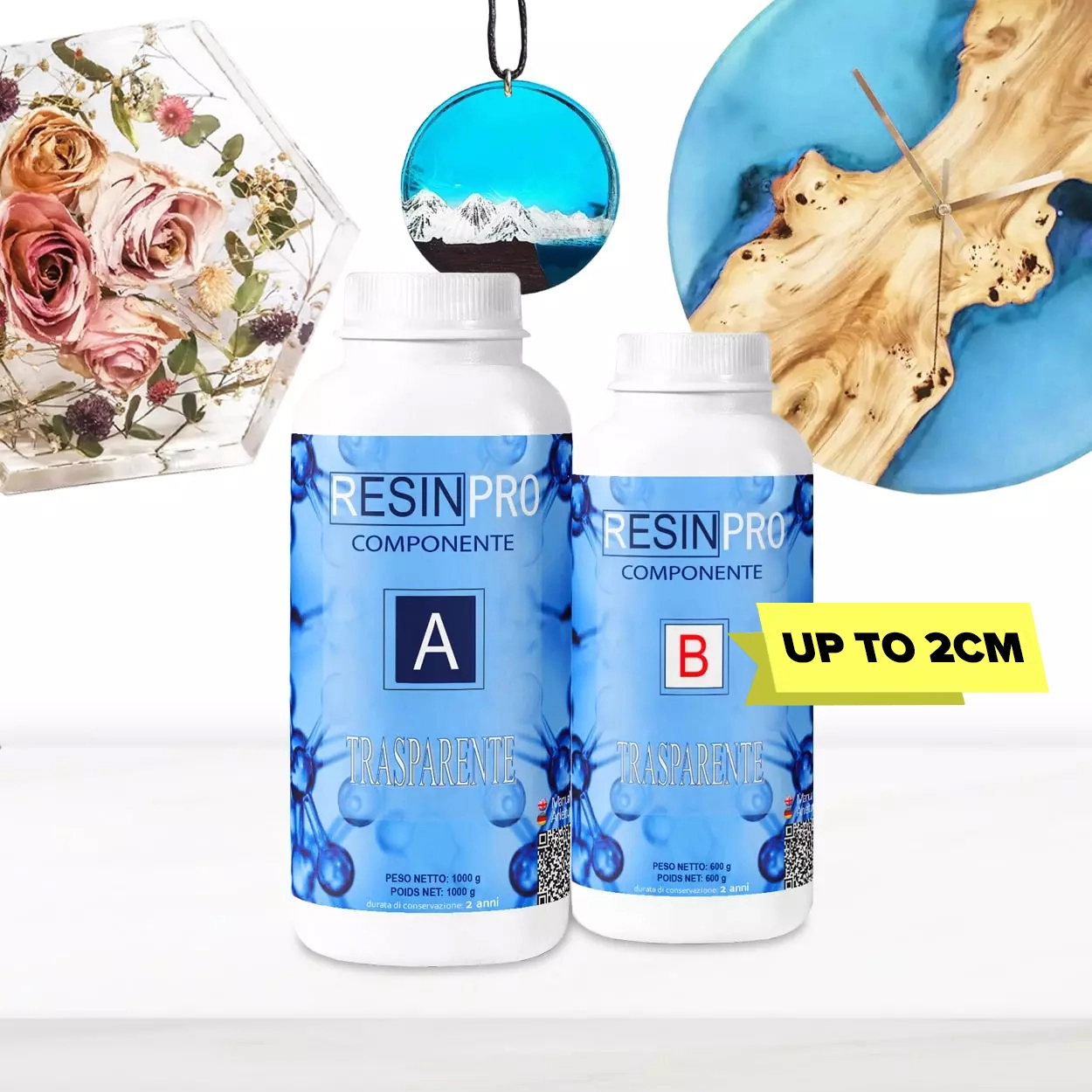 "Trasparente" – Multipurpose Clear Epoxy Resin for Casting – Up to 2cmPrice range: £8.45 through £948.85"Trasparente" is a clear multipurpose casting resin suitable for up to 2cm layers, offering a glossy finish with scratch and UV resistance.
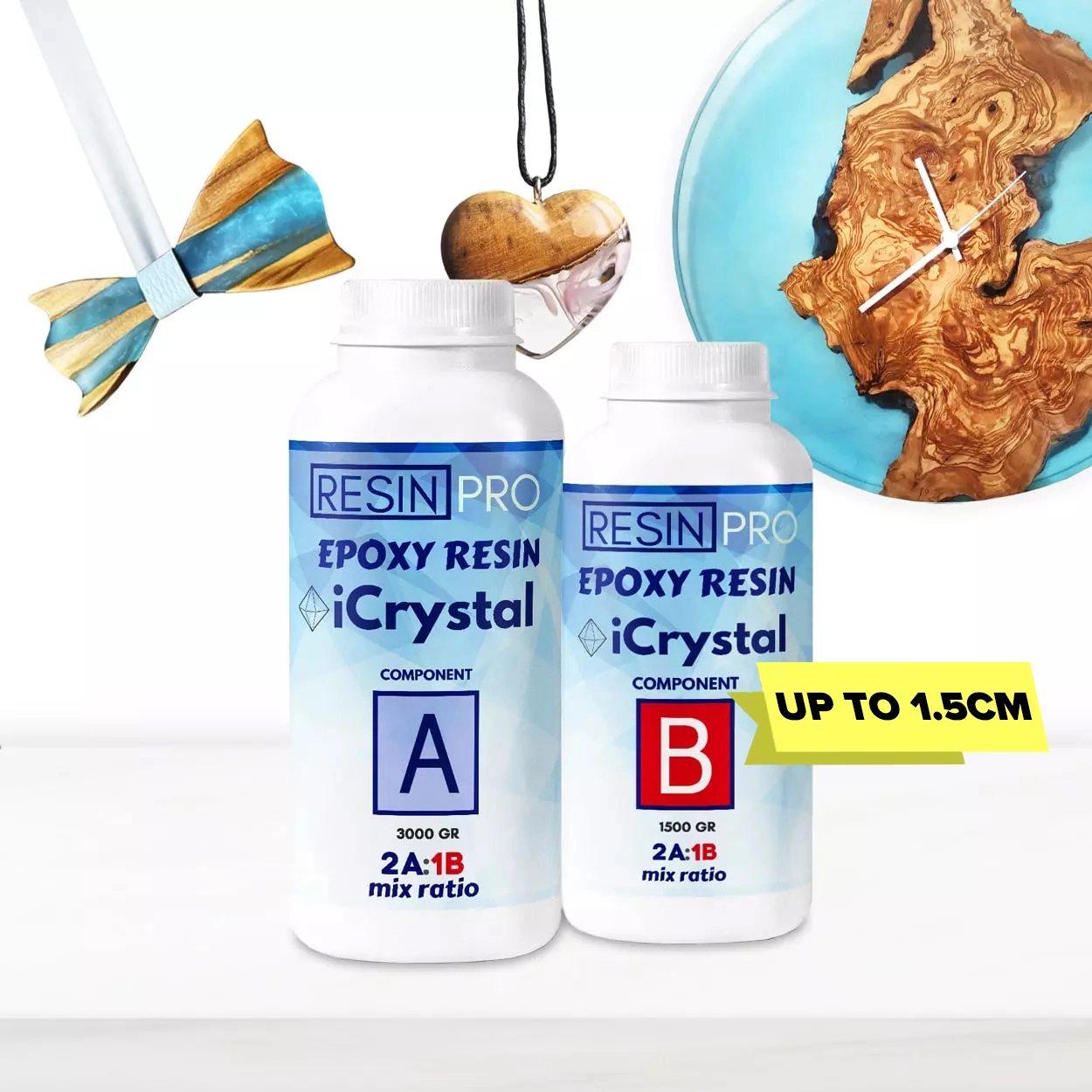 "Icrystal" – Clear Epoxy Resin – Odourless Formula – Up to 1.5cmPrice range: £11.65 through £954.85The "Icrystal" epoxy resin offers high transparency and easy use, suitable for clear, scratch-resistant finishes up to 1.5cm thick.
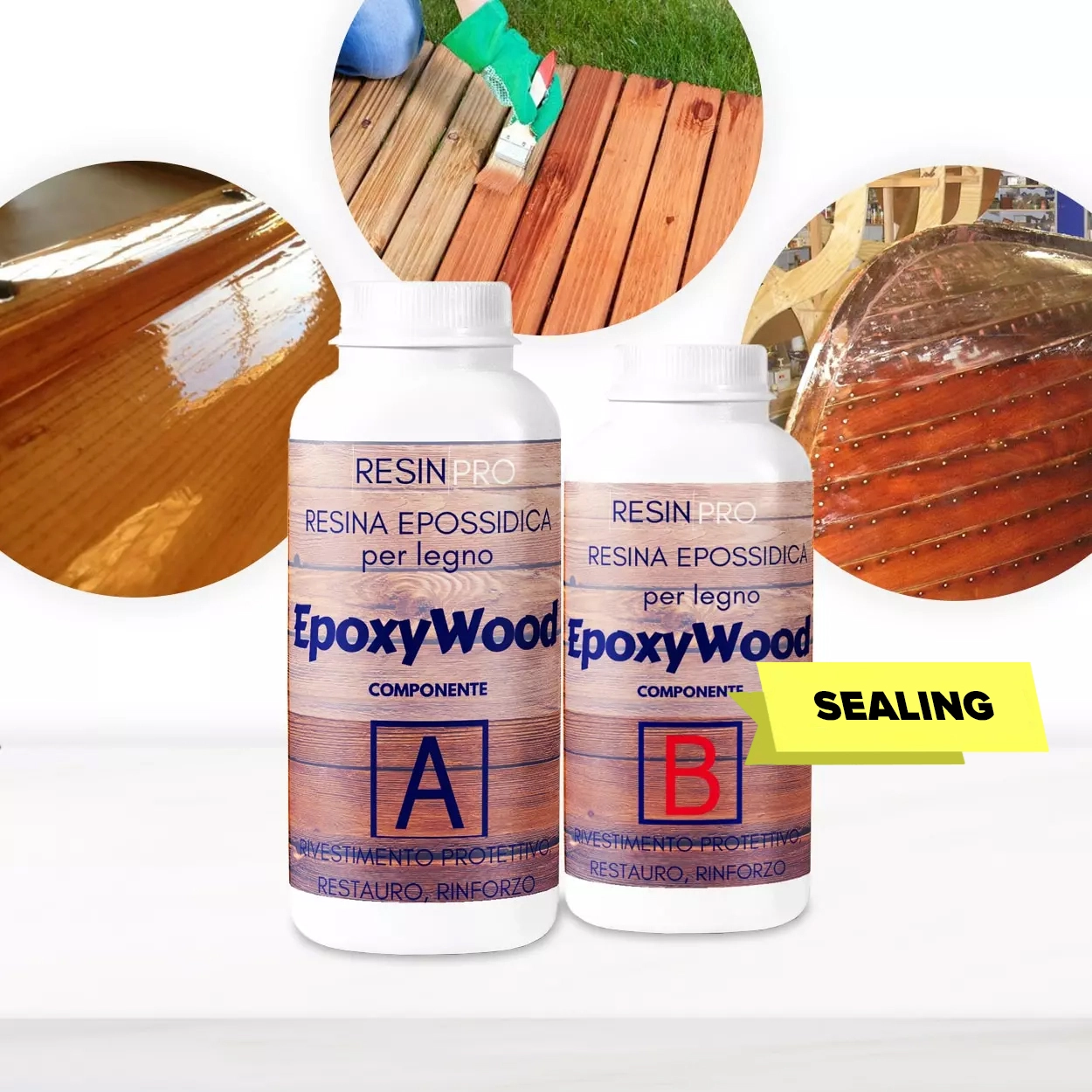 "EpoxyWood" – Wood Restoration Epoxy Resin for Deep Penetration and WaterproofingOriginal price was: £64.00.£39.85Current price is: £39.85.EpoxyWood is designed for wood restoration with deep penetration and waterproofing, suitable for repairing and protecting wooden surfaces.
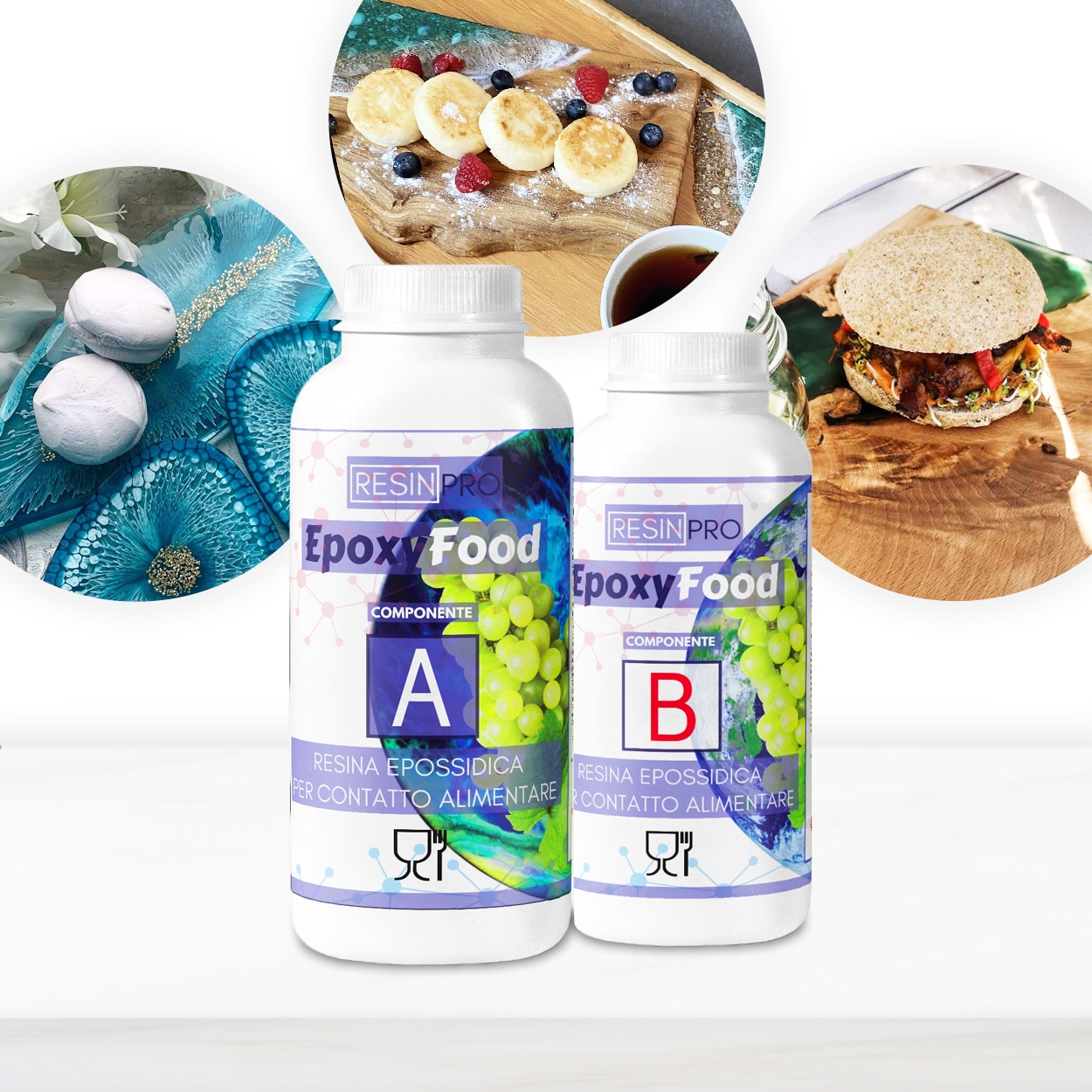 "EpoxyFood" – Certified Clear Food Contact Epoxy Resin for CoatingOriginal price was: £39.00.£32.85Current price is: £32.85."EpoxyFood" is a food-safe transparent resin suitable for coating plates and cutting boards with clear, non-toxic finishes.
Frequently Asked Questions
How can I choose the right epoxy resin for different pouring thicknesses?
For castings over 5 cm thickness and large surface sides over 100 cm, a deep pour resin like EpoxyTable 10-Ten is suggested. For thickness 2-5 cm, a different product such as EpoxyTable Five may be suitable. For under 2 cm, using the Trasparente resin is common.
Is it necessary to layer epoxy resin when casting large projects?
If one side of the project exceeds 100cm or the total epoxy weight exceeds 8kg, it is recommended to do casting in layers with waiting times of 6-8 hours between layers to avoid overheating and ensure proper curing.
What epoxy resin is recommended for projects less than 2cm thick?
Projects with thickness less than 2cm can use "Trasparente", which is designed for casting up to 2cm with clear results and strong UV resistance.
Can I use epoxy resin safely for food-contact or kitchenware projects?
EpoxyFood is specifically tested and certified for use in food-contact applications, such as plates or chopping boards for cold snacks. It should be used as directed, without colourants or additives, for full compliance.
Is epoxy resin safe for restoring and sealing external wood?
EpoxyWood is designed to seal and reinforce dry wood, making it suitable for external wood restoration.
Are these epoxy resins suitable for beginners?
Absolutely. Many options, such as Icrystal, offer straightforward mixing ratios and include gloves and step-by-step instructions for safe results—even if you’re new to resin art.
Can I speed up curing by applying heat?
It is not recommended to use heat guns, hot water baths, or other artificial accelerators when curing epoxy resin, as they can dramatically increase the risk of overheating and surface defects.
Which resin should I use for marine applications or cavity repair?
For marine repairs or fibre-reinforcement, EpoxyWood delivers ultra-low viscosity, exceptional sealing, and proven reliability in harsh environments.