 Free shipping on orders over £29,85
  Shipping Tracking!


 Google
 Facebook
← Back to How is transparent resin used?
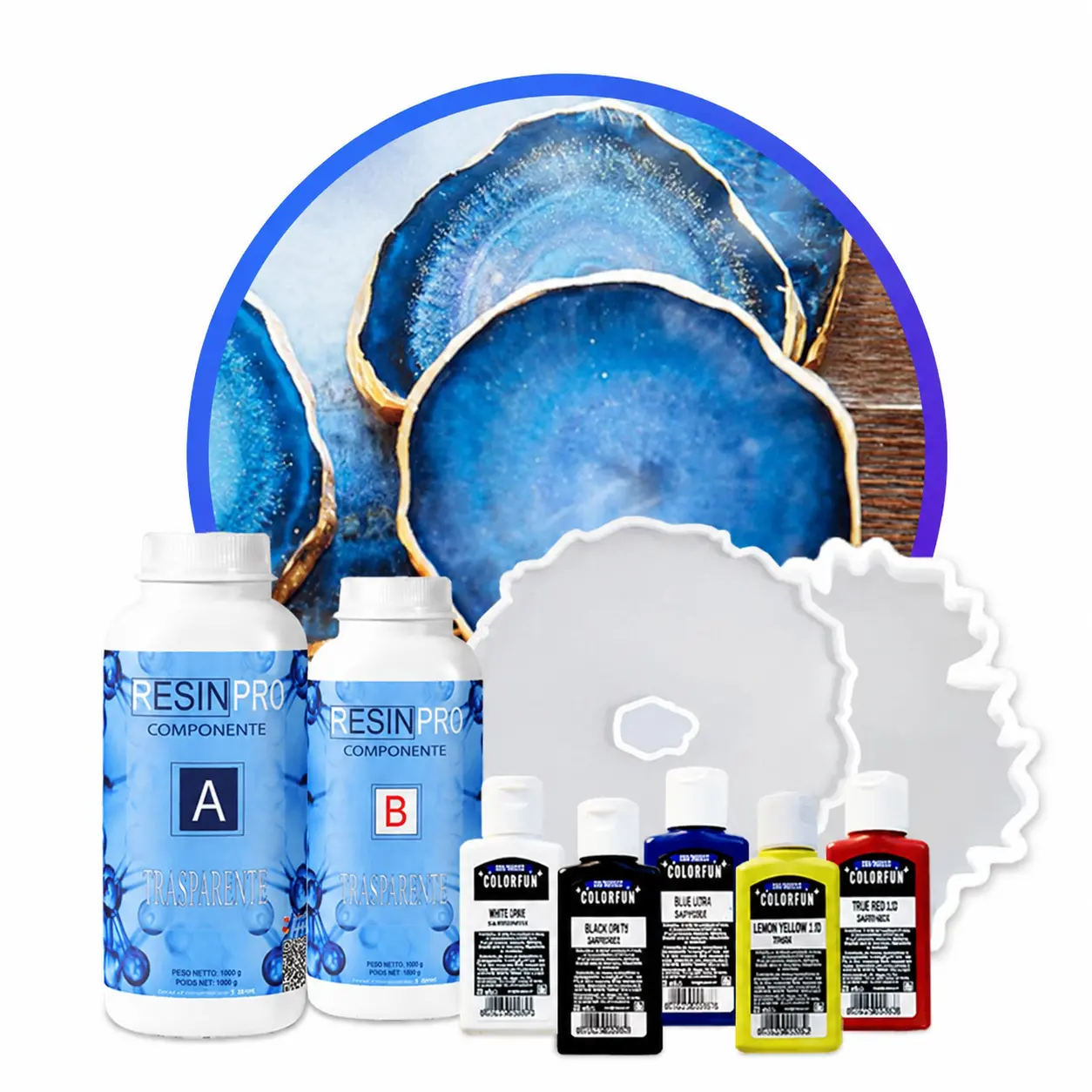
Resin art opens up a world of creativity, and using colour effectively makes it possible to mimic the intricate layers and shimmering pockets found in natural geode stones. Blending and layering resin colours results in spectacular geode-inspired pieces that are both eye-catching and unique.
Blending and Layering Resin Colours
To create geode effects, it’s common to mix each colourant separately into its portion of resin before pouring. This allows you to control the placement of colours and the intensity of shades. You can pour rings of coloured resin into a mould or onto a surface, letting the different hues flow and overlap naturally to mirror the structure of a geode.
- Start with a clear or lightly tinted base to enhance transparency.
- Add coloured resin in layers around a focal point or centre.
- Experiment with overlapping colours for gradients and marbled textures.
Techniques for Geode-Inspired Patterns
You can pour colours in an abstract fashion for organic patterns, or use controlled pouring for rings and defined lines seen in agates. Manipulate the surface with tools or shift the mould to nudge the colours into place. Adding metallic lines or glitter along the edges creates further depth, closely replicating the flashes of crystal and mineral found in geodes.
For a convenient approach, beginners might start with an all-in-one kit, such as the Resin Geode Coaster Starter Kit, which comes with colourants and a ready-mould.
When This Matters: Personalising Your Art
Selecting and blending colours is key when you want each piece to stand out. Whether making coasters, tabletops, or wall art, custom colour mixes let you replicate natural stone or invent bold, original patterns suited to your space or style.
Related products
Related guides
Exploring the use of resin colours for geode effects broadens your creative horizons and brings the beauty of natural formations into your projects. Learn more about transparent resin techniques and inspiration by returning to our main guide: How is transparent resin used?