 Free shipping on orders over £29,85
  Shipping Tracking!


 Google
 Facebook
How can you fiberglass a wooden boat site forum.amicidellavela.it?
Step-by-step guide for sealing and reinforcing wood hulls

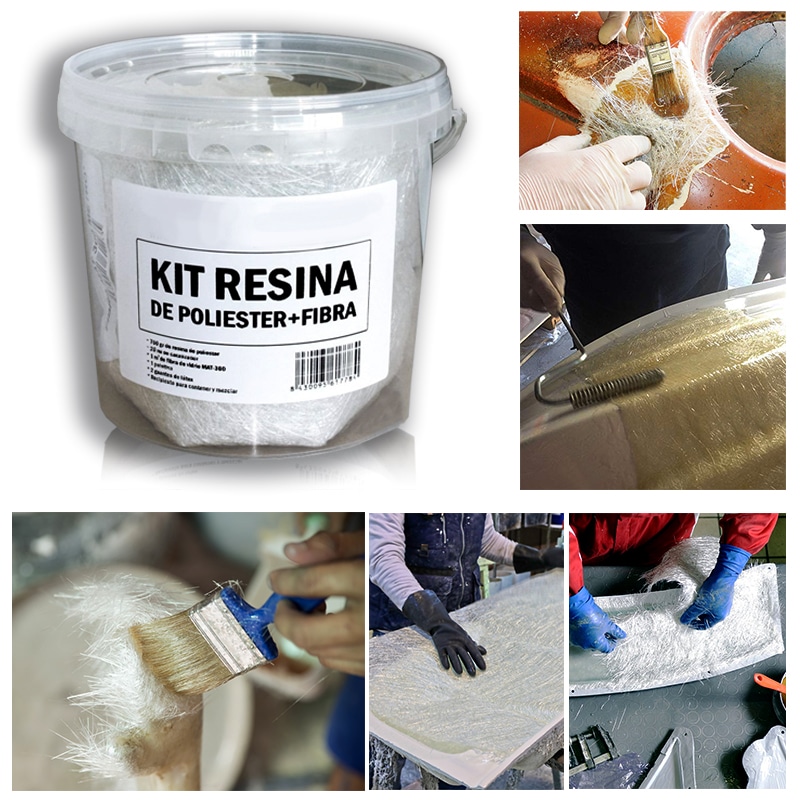
Fibreglassing a wooden boat provides essential waterproofing and structural reinforcement, helping your craft withstand years of marine exposure. Whether you are restoring a vintage hull or adding protection to a newer vessel, this guide walks you through the process—from preparation to finishing—for a lasting, professional result.
What You’ll Need
- “EpoxyWood” – Wood Restoration Epoxy Resin for Deep Penetration and Waterproofing: For deep sealing of the wooden substrate before laminating.
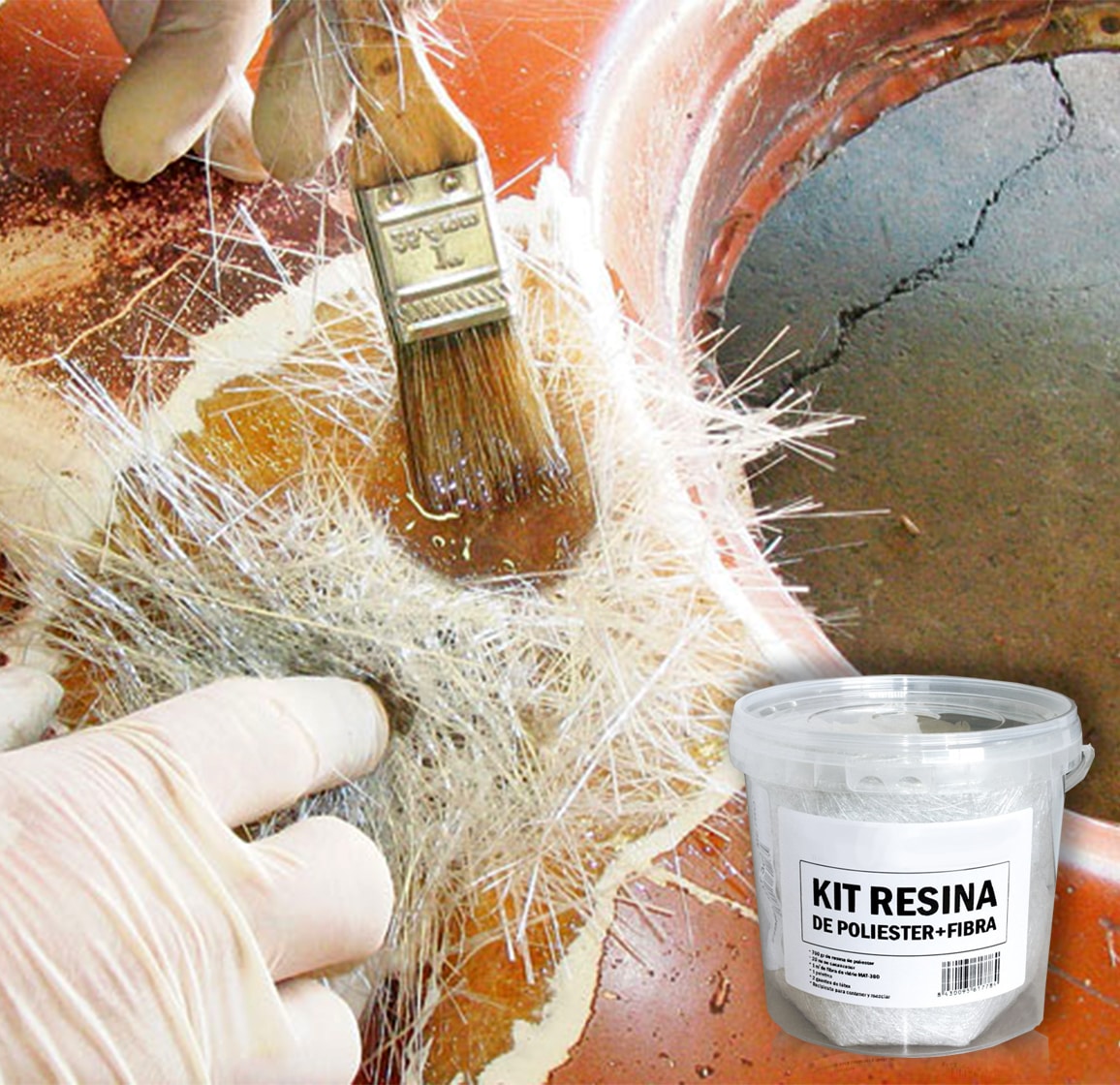
- Resin Fibreglass Repair Kit – Complete Polyester Resin and Hardener Set: Contains resin, hardener, and fibreglass mat suitable for marine repairs.
- “Carbon Resin” – Epoxy Resin for Carbon Fiber & Fiberglass Coating: For high-strength, glossy fibreglass layups.
- CROP 2K Fiberglass Putty – 750 ml + Hardener: For filling cracks, dents, or deep cavities in wood before laminating.
- Standard fibreglass cloth (marine grade)
- Sharp scissors or cutting tool
- Protective gloves, respiratory mask, and goggles
- Sandpaper (various grits)
- Clean stirrers, rollers or brushes
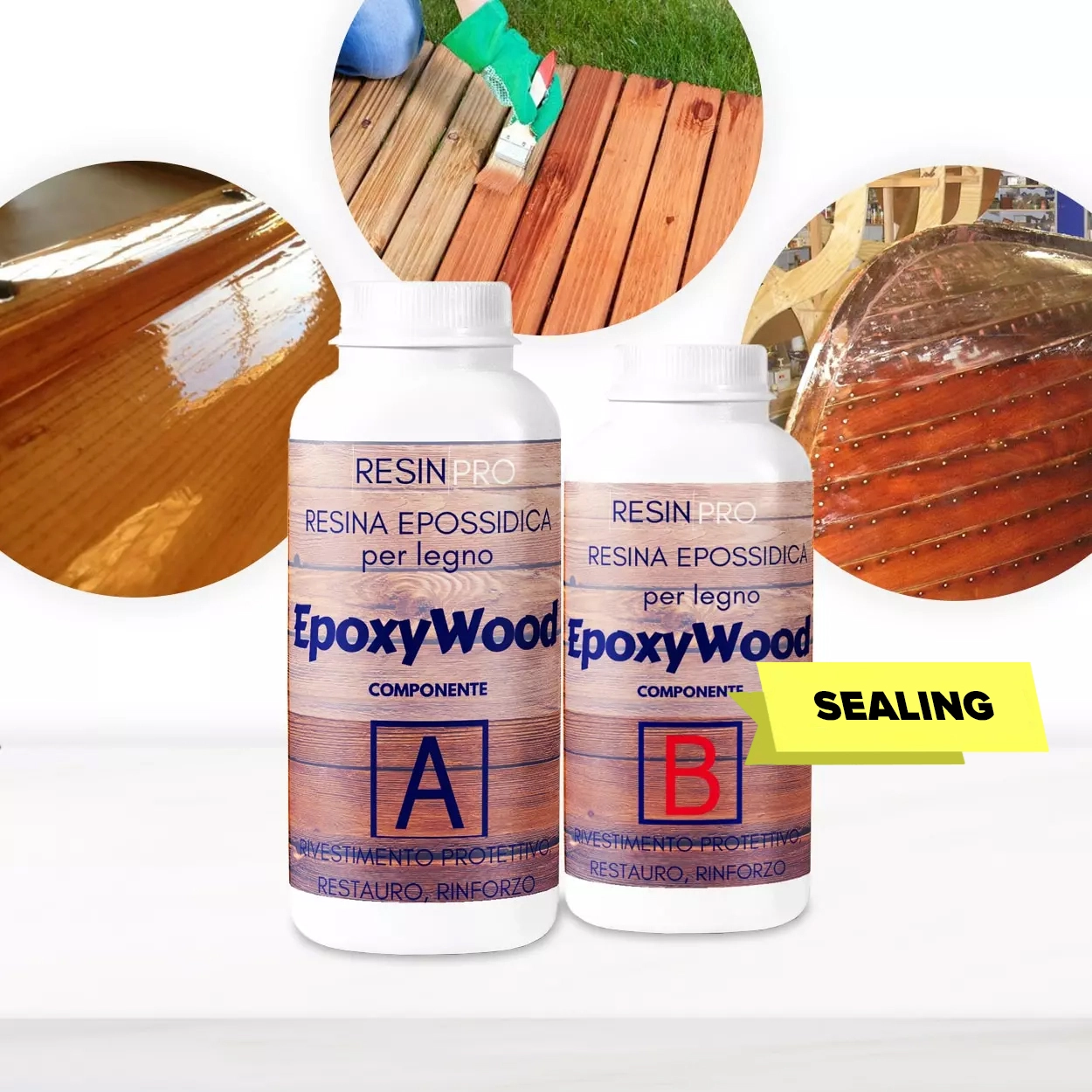
Essential Tools and Protective Equipment
Always use gloves and safety goggles when working with resins and fibreglass matting. A well-ventilated area is also crucial—consider using a respirator mask for extended projects. Keeping your workspace organised prevents accidents and resin spills.
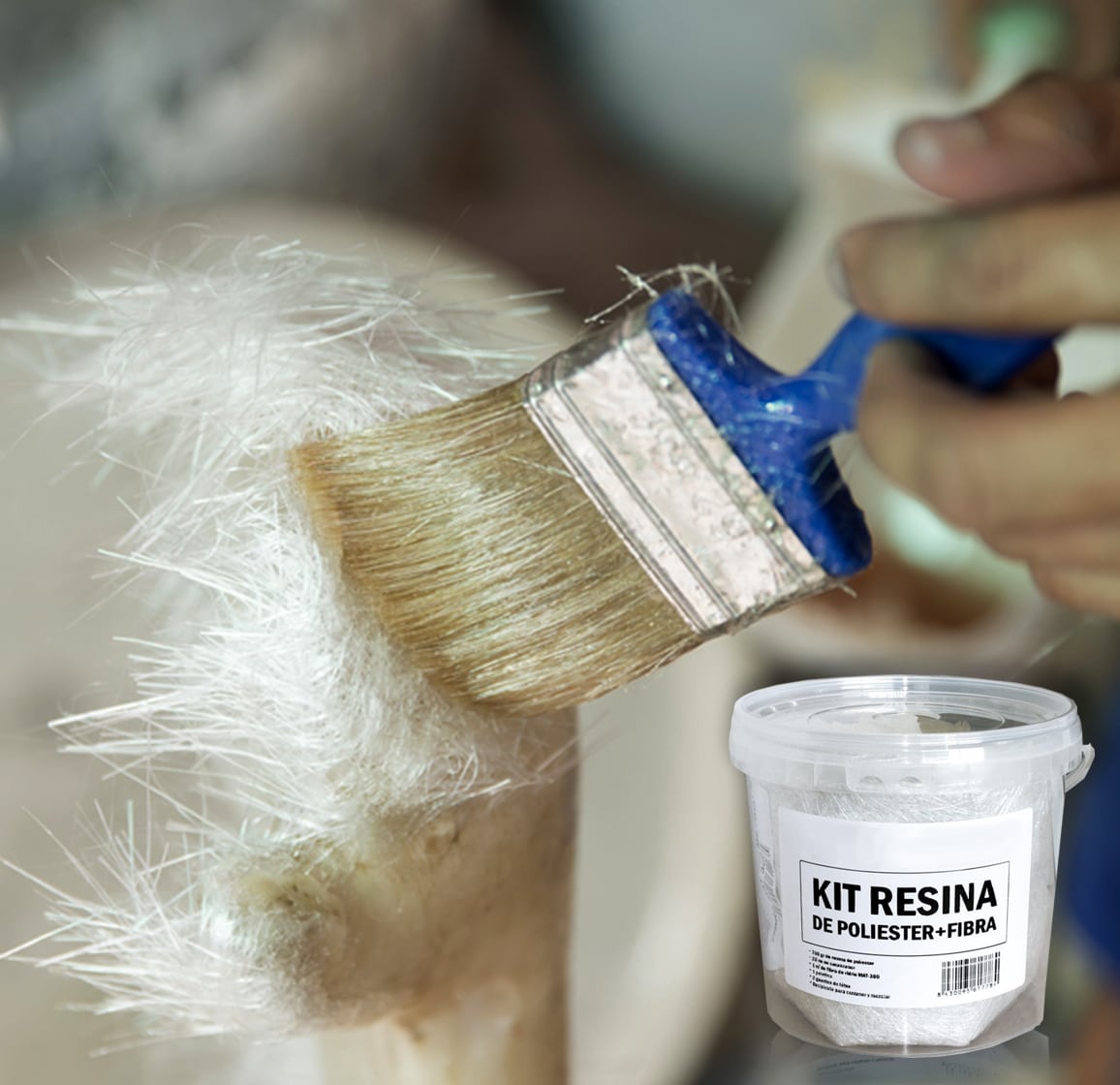
Step 1: Prepare and Repair the Wooden Surface
Begin by thoroughly cleaning the boat surface. Remove any old paint, varnish, dirt or debris with a scraper and sandpaper. For deeply weathered wood or signs of damage, check for rotten spots and ensure these are cut away or stabilised. Sand the entire hull lightly to create a key for fibreglass adhesion and clean away all dust.
If you find cracks, large dents or holes, use CROP 2K Fiberglass Putty – 750 ml + Hardener to fill and reinforce these areas. Apply in layers, allowing the putty to cure fully before sanding to a smooth, even finish.
Step 2: Seal the Wood with Penetrating Epoxy
Before attaching fibreglass, sealing the wooden hull with a deep-penetrating epoxy resin ensures waterproofing and strengthens the substrate. Apply “EpoxyWood” – Wood Restoration Epoxy Resin for Deep Penetration and Waterproofing with a roller or brush. Allow the resin to soak in and cure per instructions, which may require several coats for very absorbent wood. This step enhances adhesion and protects against rot.
Step 3: Cut and Position the Fibreglass Cloth
Carefully measure and cut fibreglass cloth to fit the surfaces to be laminated, allowing for overlap at seams and sharp angles. Pre-cutting before mixing resin makes the layup process more manageable. Ensure the cloth lies flat with minimal wrinkles to avoid weak spots in the finished lamination.
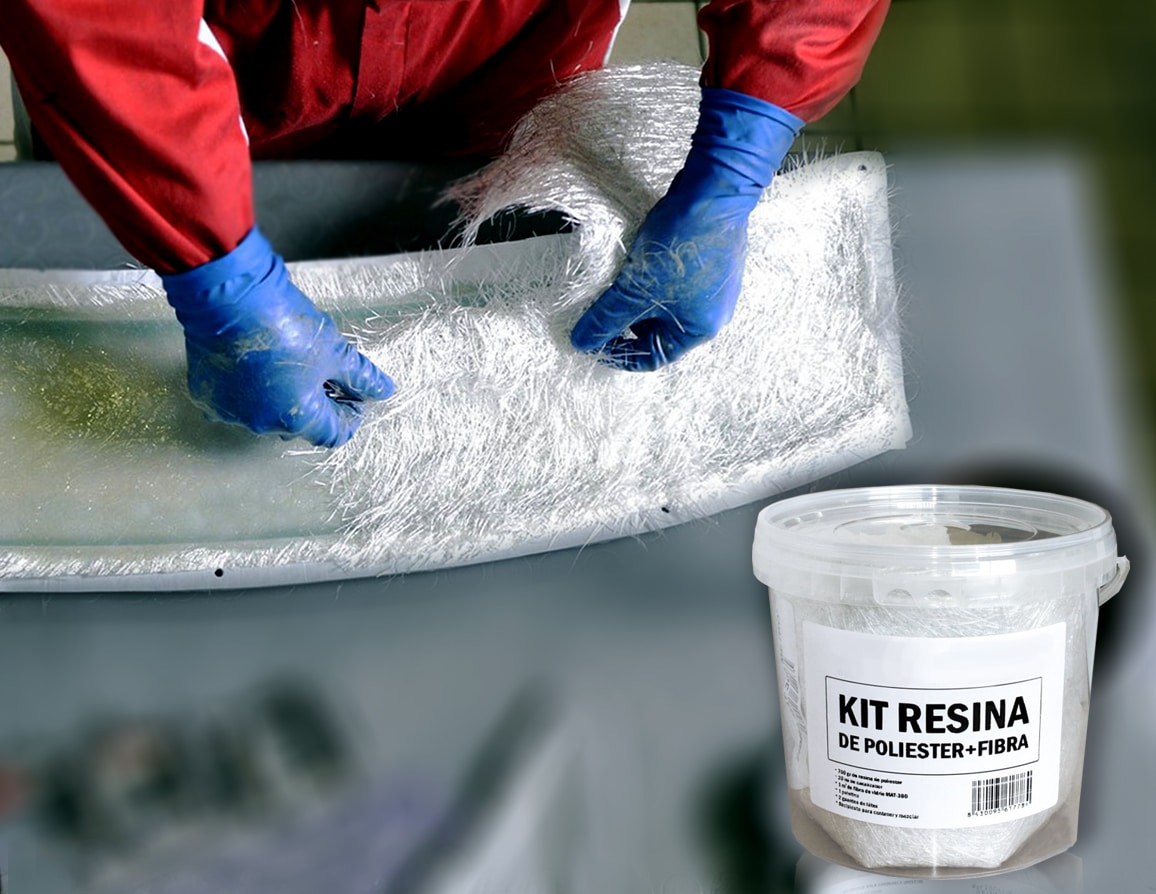
Step 4: Mix and Apply Resin to Laminate
With the surface sealed and cloth cut, mix enough resin for one workable section at a time, following the product directions for the chosen system. For a robust, professional marine laminate, “Carbon Resin” – Epoxy Resin for Carbon Fiber & Fiberglass Coating is an excellent choice for its bubble-free impregnation and high-gloss finish. Alternatively, use the Resin Fibreglass Repair Kit – Complete Polyester Resin and Hardener Set for a complete beginner-friendly package.
Wearing gloves and a mask, apply resin to the prepared wood using a roller or brush. Lay the fibreglass cloth onto the wet resin, smoothing out bubbles and wrinkles. Gently work more resin through the cloth until fully saturated but not swimming—excess resin can leave a brittle finish. Repeat for additional layers, overlapping seams as necessary.
Step 5: Finish, Sand, and Recoat
Allow the laminate to cure fully (always check product-specific times). Once the resin is hard, sand lightly to remove any rough edges or drips, and feather the edges for a seamless finish. Clean the surface and apply an additional coat of resin if extra waterproofing or a glossier appearance is desired. Once satisfied, proceed with marine-grade primer and paint if required.
Tips, Common Mistakes, and Troubleshooting
- Wear gloves and a mask when handling resins and fibreglass. Many components are irritants—protect your skin and lungs throughout.
- Ensure wood is completely dry before starting. Moisture can trap under the laminate, leading to delamination or fungal growth.
- Cut fibreglass cloth before mixing resin for efficiency. This prevents resin from curing before the layup is complete.
- Work in ventilated spaces to reduce fumes. Polyester and epoxy resins can produce strong odours.
- Don’t rush resin application—uneven coating leads to bubbles. Always saturate the cloth consistently.
- Feather edges of cured resin for blend-in repairs. This step is crucial for both aesthetics and bonding strength.
- Avoid applying resin in humid or cold conditions. Poor weather can extend curing times and cause tacky finishes.
- Sand between coats for optimal bonding. Skipping this can lead to delamination between resin layers.
Fibreglass Lamination in Progress
Observe the wet-out process carefully: resin should thoroughly saturate the fibreglass cloth, turning it transparent. Overlap seams by several centimetres for continuous protection and to ensure structural strength, meeting boatbuilding standards discussed on specialist forums.
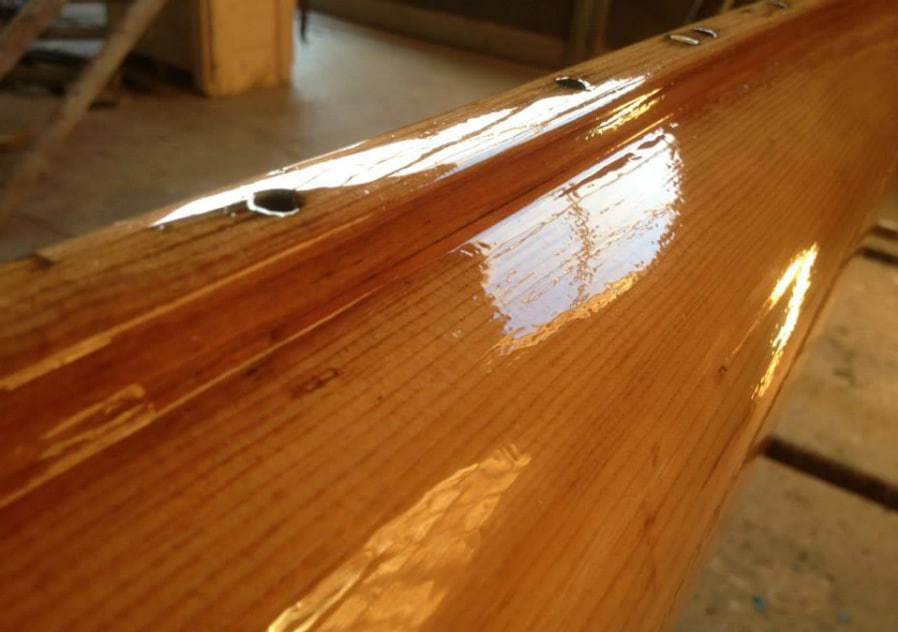
- "EpoxyWood" – Wood Restoration Epoxy Resin for Deep Penetration and WaterproofingPrice range: £27.95 through £41.95EpoxyWood is formulated for wood restoration and waterproofing, offering deep penetration and a natural finish within the theme of wooden boat care.
- Resin Fibreglass Repair Kit – Complete Polyester Resin and Hardener SetThe Resin Fibreglass Repair Kit offers a waterproof and impact-resistant polyester resin solution for composite repairs in the context of fiberglass…
 "Carbon Resin" – Epoxy Resin for Carbon Fiber & Fiberglass CoatingPrice range: £19.95 through £37.95This epoxy resin is designed for carbon fibre and fibreglass, offering reliable impregnation and a glossy finish suitable for technical fabric…
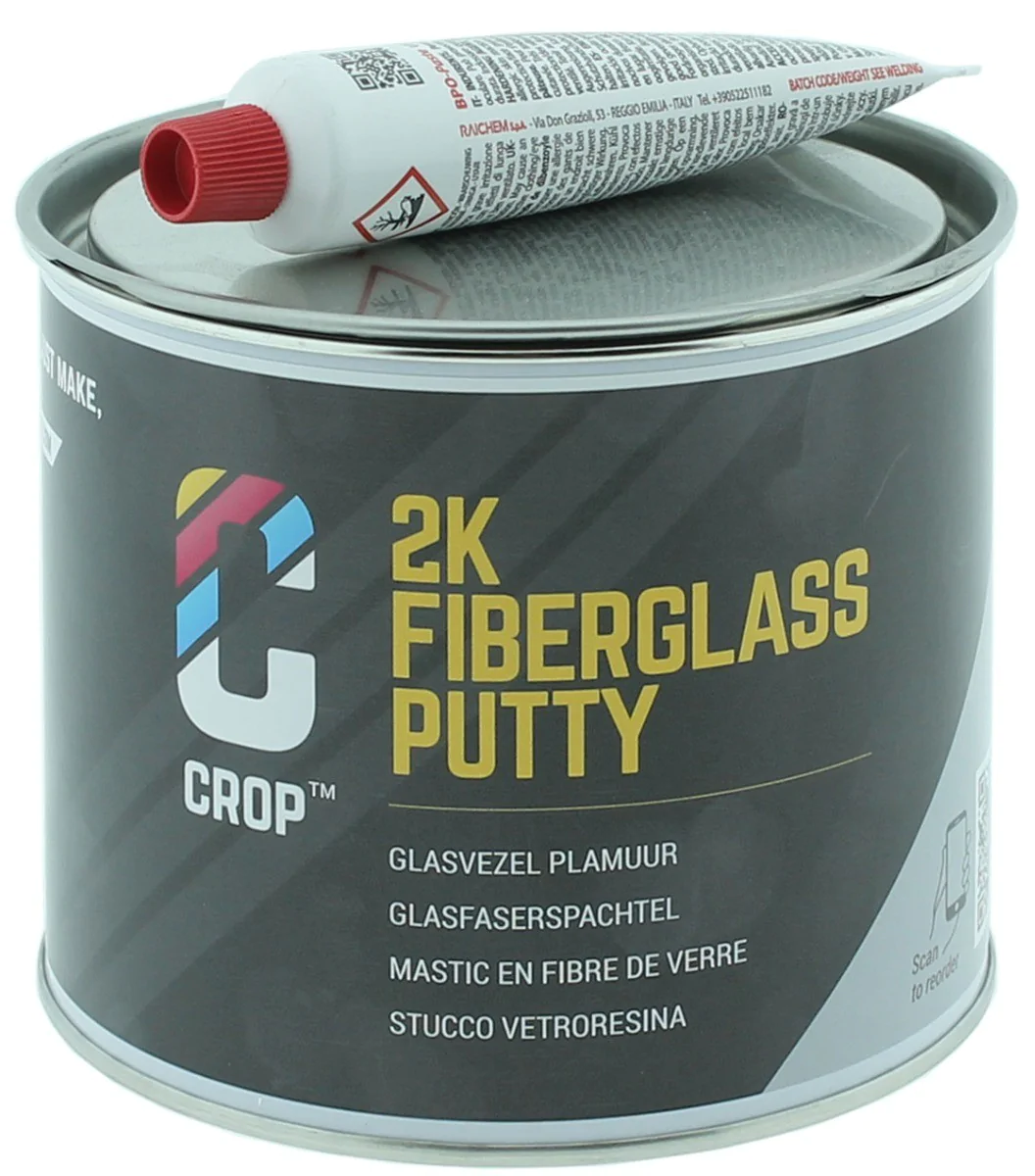 CROP 2K Fiberglass Putty – 750 ml + Hardener£15.85CROP 2K Fiberglass Putty is a polyester putty reinforced with fibreglass designed for filling and repairing cracks, dents and cavities.
Frequently Asked Questions
Can I fibreglass an old wooden boat?
Yes, as long as the wood is structurally sound and thoroughly dried, fibreglassing can offer new life and protection to vintage wooden hulls.
Should I use epoxy or polyester for boat fibreglassing?
Epoxy gives superior adhesion and water resistance, especially for wooden boats. Polyester kits are suitable for less critical repairs or rigid composite surfaces.
How many layers of fibreglass mesh do I need?
Most small boats require at least two to three layers on high-wear areas, depending on hull thickness and intended usage.
Can I paint over fibreglassed wood?
Absolutely—once the resin is fully cured and sanded, apply a marine-grade primer and paint for both UV protection and appearance.
How do I repair air bubbles in fibreglass?
Sand down the affected area, ensure it’s clean and dry, then re-laminate with additional resin and cloth as needed.
How do I prevent delamination of the fibreglass layer?
Ensure wood is fully sealed and dry before laminating, use compatible resin, and sand between layers for optimal bonding.