 Free shipping on orders over £29,85
  Shipping Tracking!


 Google
 Facebook
← Back to how do you make details with resin?
Achieving crisp, detailed results in resin projects depends not only on application technique but also on how you cure the resin. Whether you work with UV or epoxy formulas, thoughtful curing is key to perfecting your detailed creations.
Best Practice for UV Resin Curing
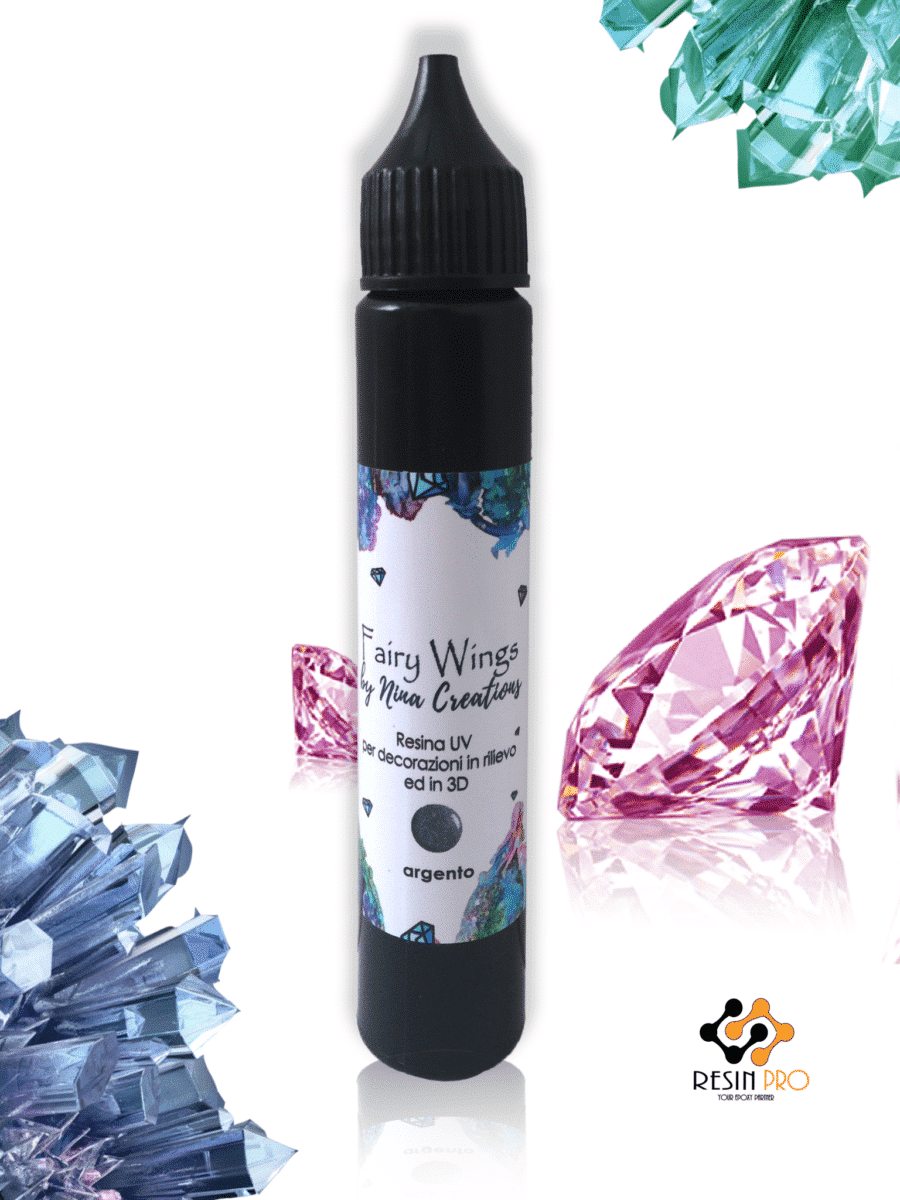
UV-curable resins are popular among crafters for their speed and precision. For the best results, apply the resin in thin layers – no more than 3 mm at a time – and cure each layer thoroughly under a UV lamp. This layering approach prevents bubbles, shrinkage, and incomplete hardening, which can blur fine design features. Products like “Fairy Wings” UV Resin set in as little as 3–5 minutes per layer, making them ideal for quick, detailed work on surfaces such as polymer clay.
Curing Epoxy Resin for Detailed Work
Epoxy resin offers versatility and is favoured for high viscosity and line control in intricate art. To maximise definition and durability, allow the resin to cure fully according to the manufacturer’s advice—usually requiring an initial set of several hours before handling and a full cure over a longer period. For detailed line work or layered effects, ultra-high viscosity types like “Art Pro Deluxe” help prevent colour bleeding and maintain crisp edges.
When Efficient Curing Matters Most
- Creating 3D embellishments and surface relief effects where fine detail must be preserved.
- Producing layered jewellery, coasters, or charms that require fast turnover between design steps.
- Minimising smudging or loss of definition in patterns by promptly hardening each stage.
Related products
Related guides
Efficient curing techniques are fundamental to preserving every detail in your resin creations. For further tips on making detailed resin art, explore more guides and products tailored for intricate work in our details with resin series.