 Free shipping on orders over £29,85
  Shipping Tracking!


 Google
 Facebook
← Back to How to use Martini resin for car exhaust repairs

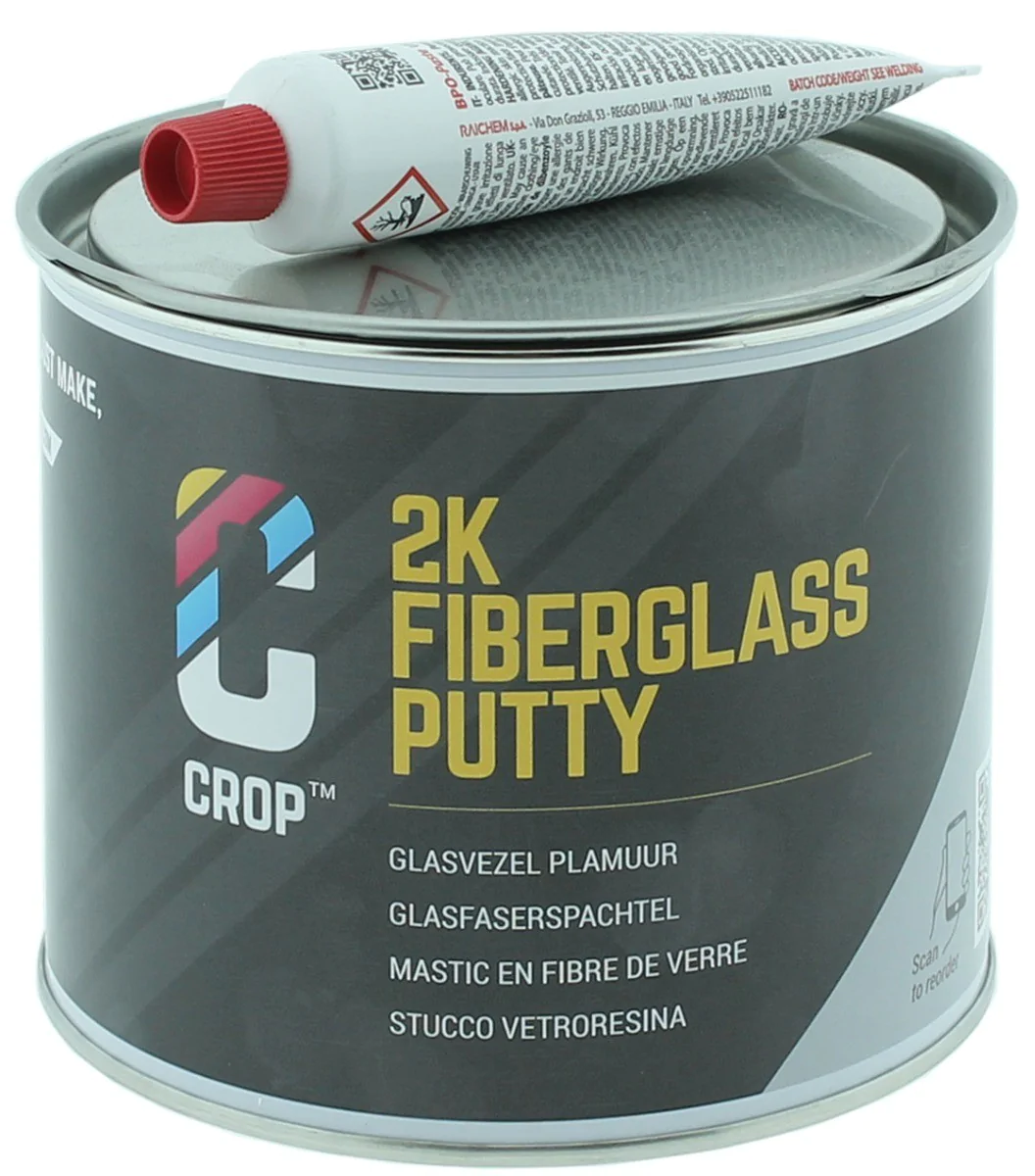
Cleaning your tools promptly after working with Martini resin ensures they remain in good condition for future repairs. The right clean-up routine prevents resin from hardening on brushes, spatulas and containers.
Choosing the Right Cleaner
After using Martini resin, the most effective way to clean tools is by wiping away excess resin immediately, then thoroughly washing your equipment with a suitable degreaser or solvent. A product like the Strong Technical Degreaser is a gentle yet effective choice for this task. It removes residues without harsh chemicals and works on various surfaces including metal and plastic.
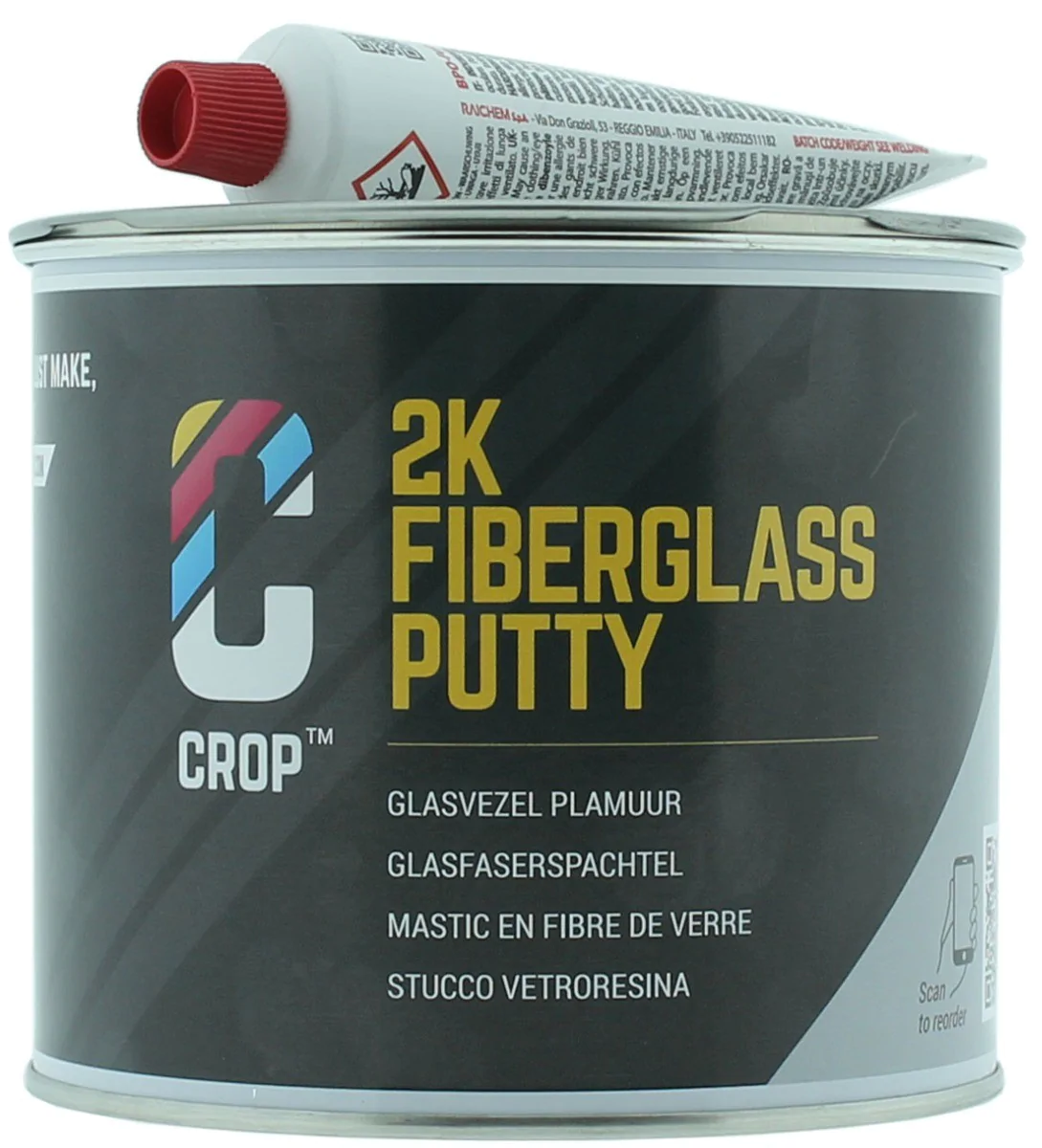
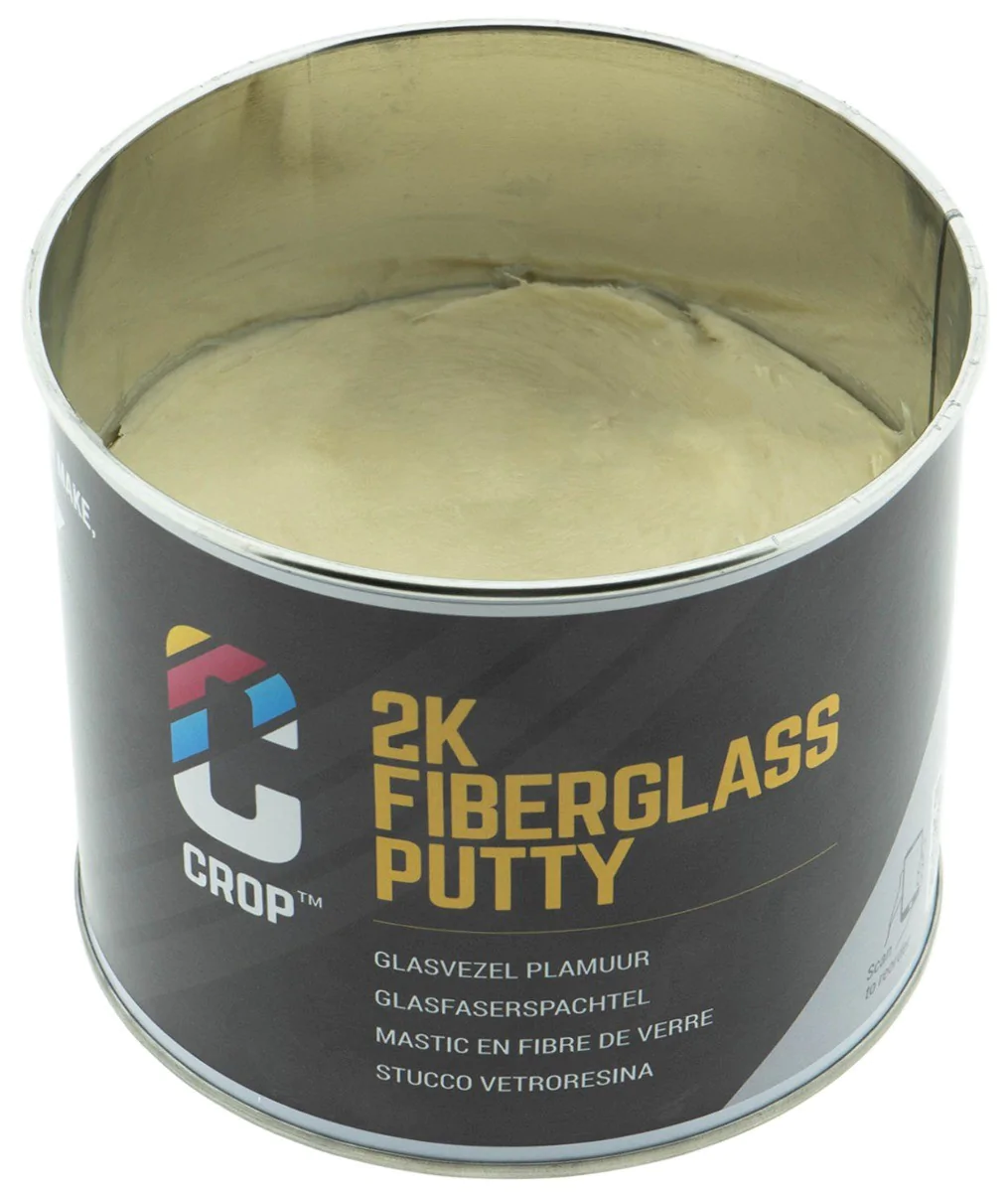
Cleaning Steps for Best Results
- Act Quickly: Clean all brushes and tools before the resin begins to cure. Once set, the resin becomes much more difficult to remove.
- Use a Suitable Degreaser: Apply your chosen cleaner generously, working it into the bristles or surface to break down the resin. Rinse with warm water where appropriate.
- Dry Thoroughly: Make sure all items are completely dry before storing them to prevent rust or residue build-up.
When Good Tool Care Matters
If you tackle repairs regularly, clean tools help ensure the best results every time. Residue-free equipment minimises contamination in subsequent resin batches and extends the life of your brushes and containers.

Related products
Related guides
By developing a consistent cleaning routine after using Martini resin, you not only protect your tools but also improve the quality of your future car exhaust repairs. For in-depth repair techniques and more, return to our parent guide on using Martini resin for car exhaust repairs.