 Free shipping on orders over £29,85
  Shipping Tracking!


 Google
 Facebook
How do you apply epoxy resin to wood?
Step-by-step process for flawless resin finishes on timber
Applying epoxy resin to wood can transform and protect your surfaces, whether you’re restoring antique furniture or crafting vibrant art pieces. This guide covers the entire process — from preparation through to finishing — so you achieve a smooth, durable, professional result.
What You’ll Need
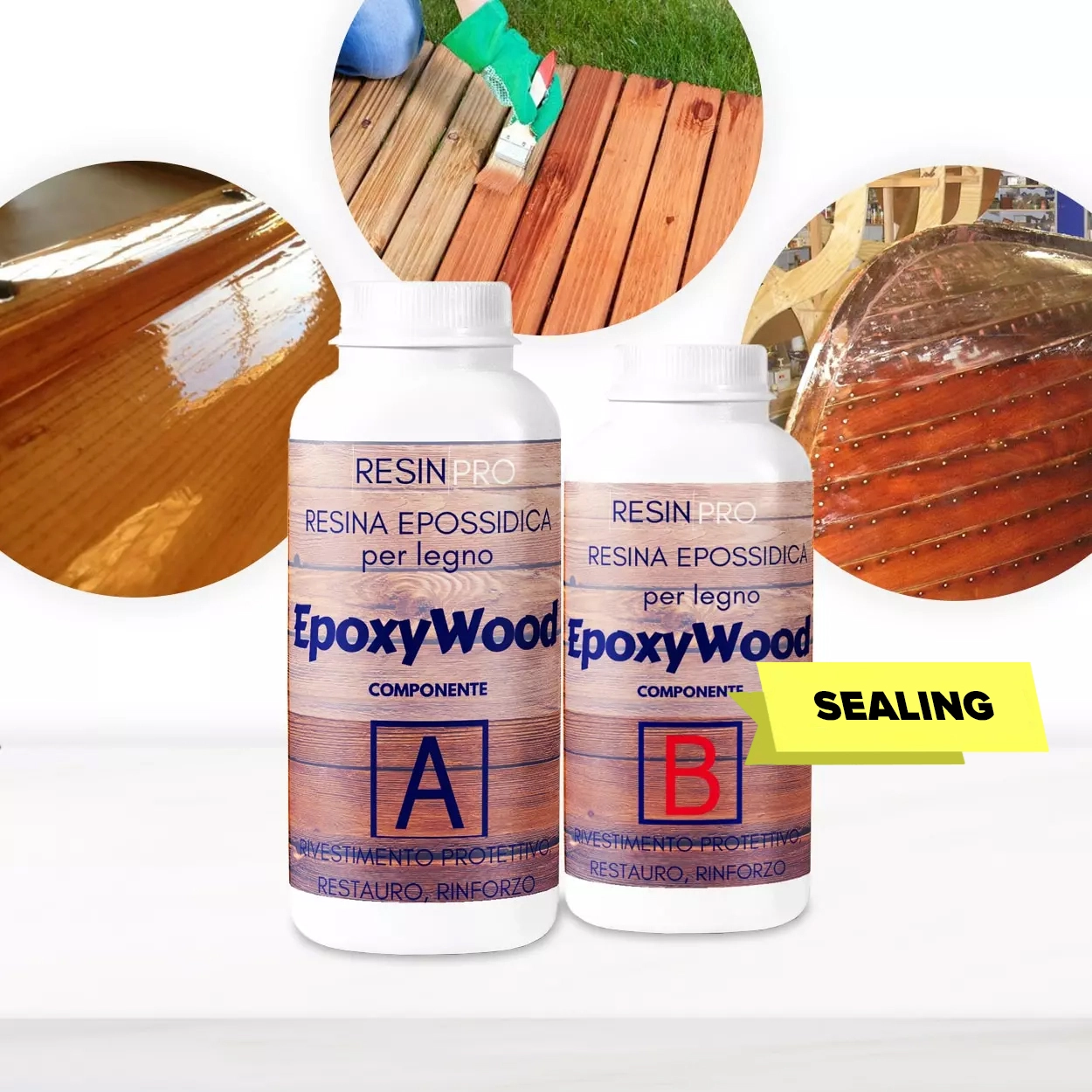
- “EpoxyWood” – Wood Restoration Epoxy Resin for Deep Penetration and Waterproofing: Ideal for restoring and waterproofing wooden furniture or external timber.
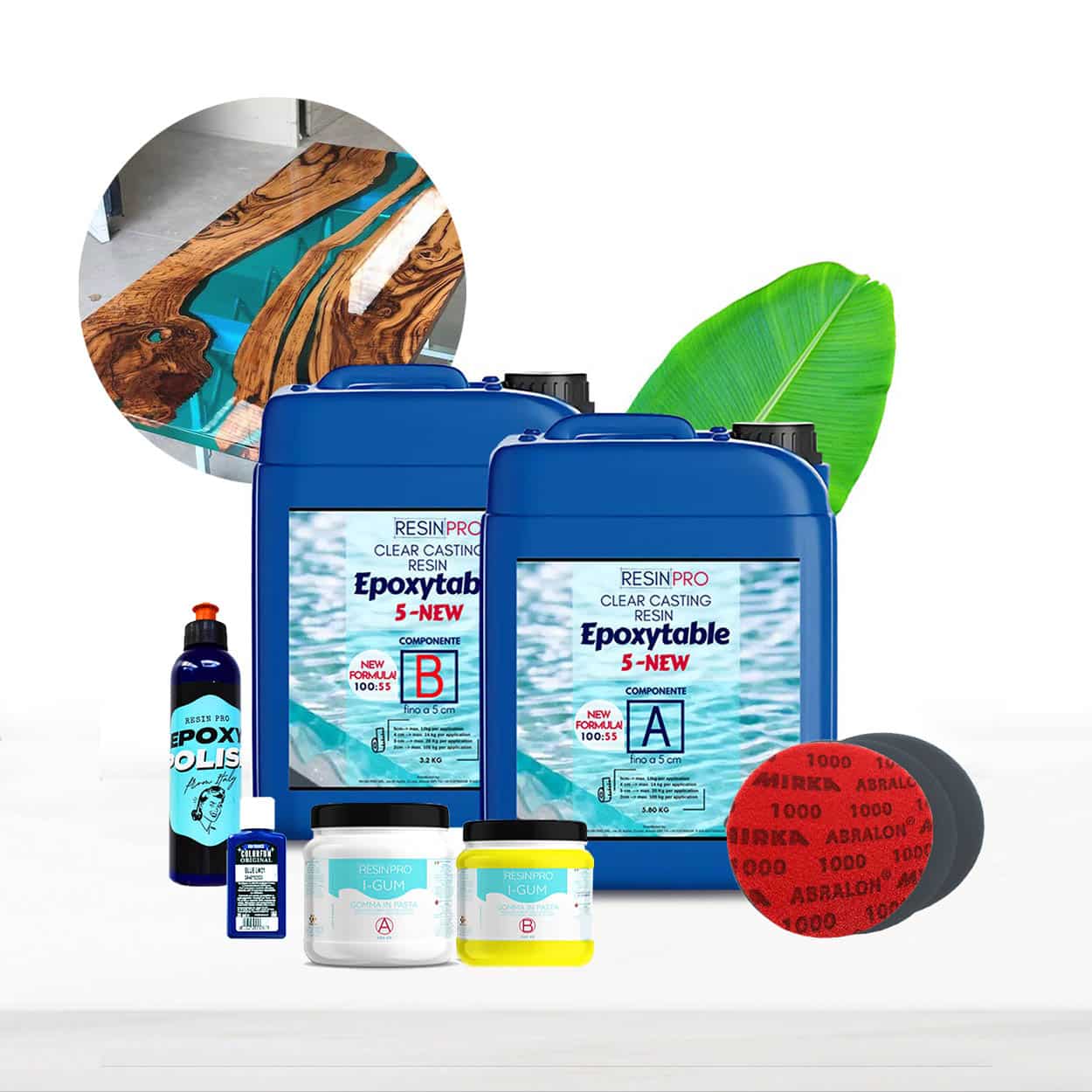
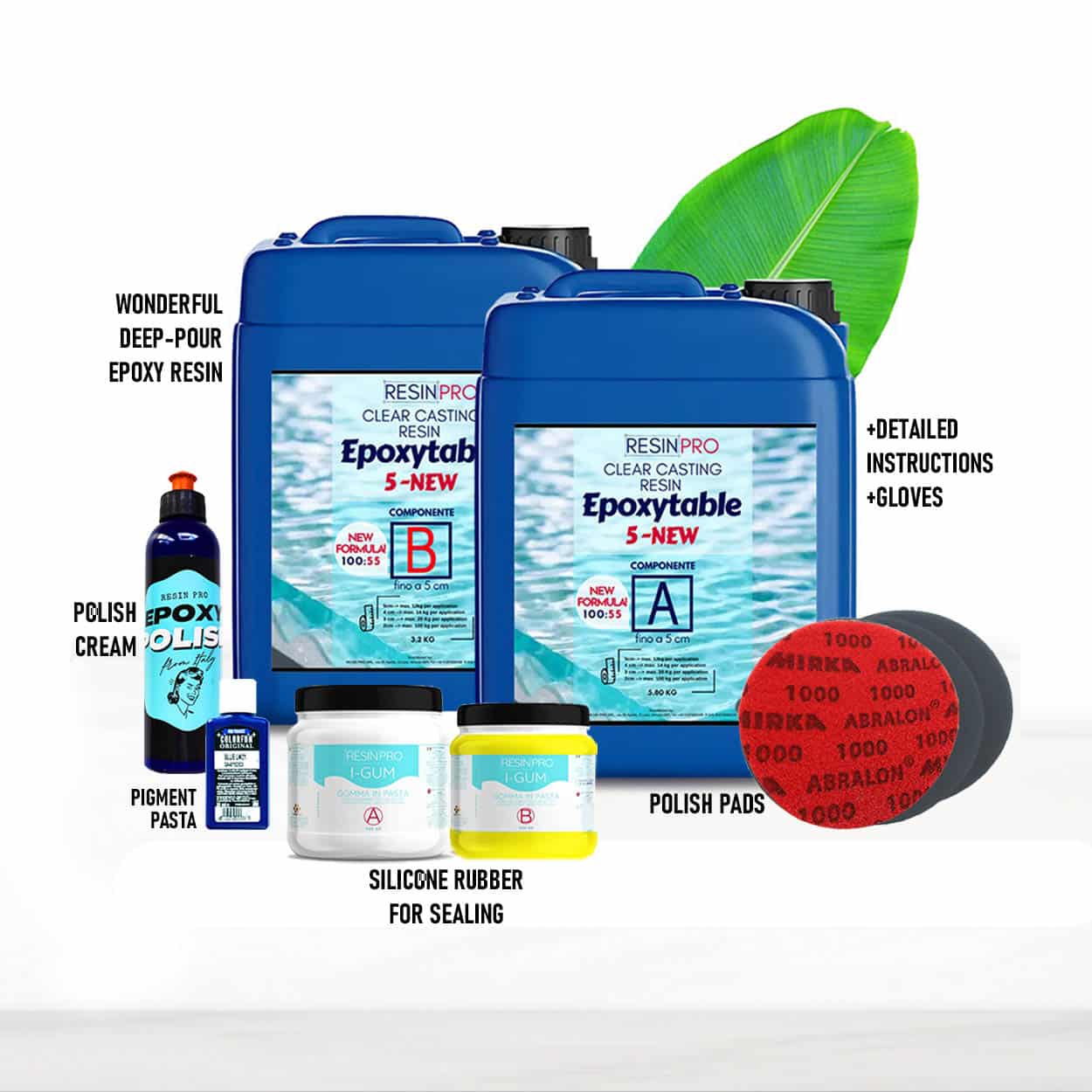
- “River-Table” – Complete Kit for Creating Your First Epoxy Resin Table: All-in-one kit perfect for beginners making wood and resin tables.
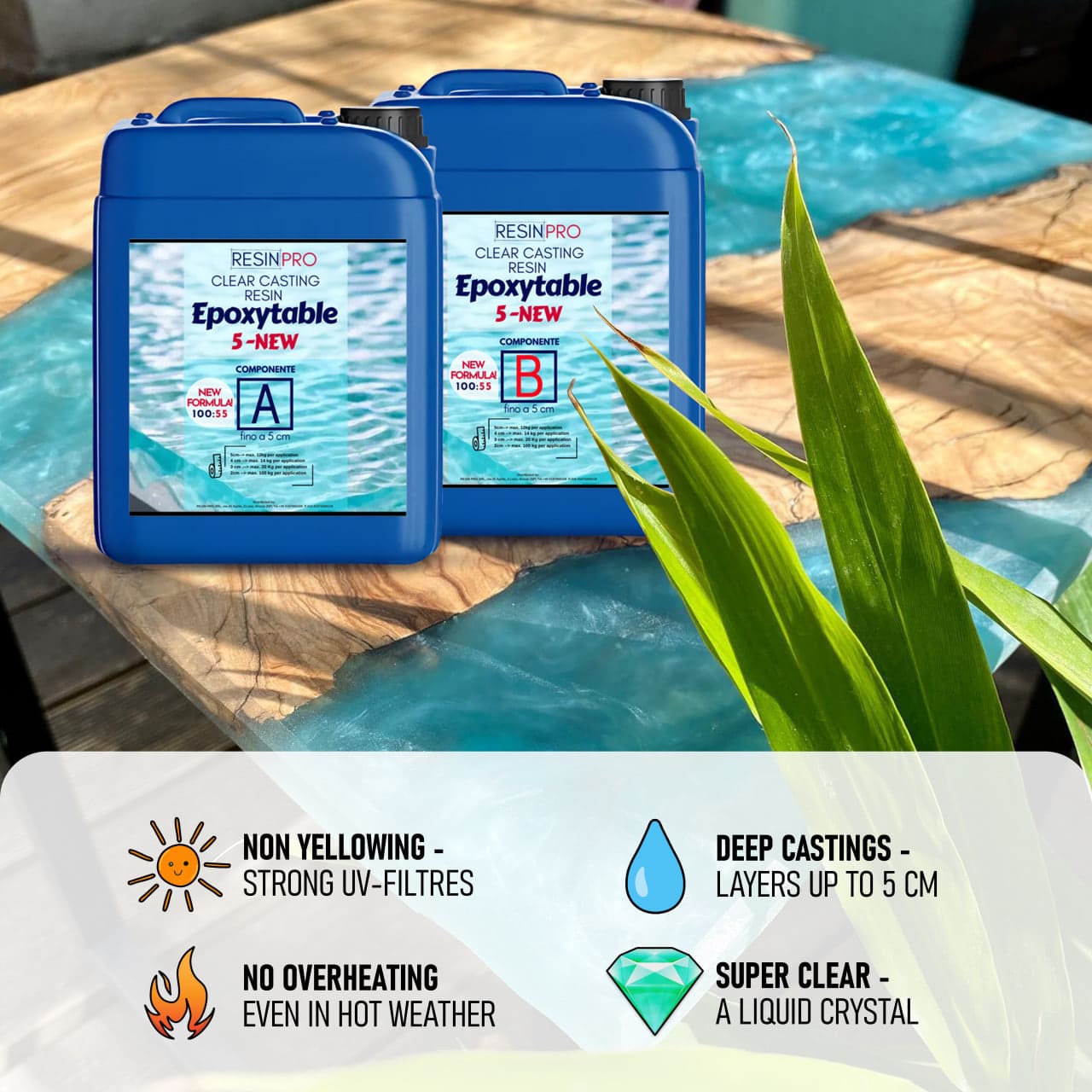
- “Art Pro” – Clear Epoxy Resin for Artists and Surface Coating: Suited for high-gloss, durable finishes on decorative wood surfaces.
- “Trasparente” – Multipurpose Clear Epoxy Resin for Casting – Up to 2cm: For detailed, ultra-clear castings and woodworking projects.
- Protective gloves, mixing sticks/cups, a dust-free workspace, and surface preparation materials (sandpaper, cleaning cloths).
Choosing the Right Epoxy Resin for Your Wood Project
Selecting the appropriate resin ensures both lasting durability and the look you want. For wood restoration and waterproofing, EpoxyWood offers deep penetration and structural support. Decorative or high-gloss projects, such as coasters and tables, benefit from River-Table Kit or Art Pro for a clear, glassy finish. Always match the resin type to your specific application and pour thickness.

Step 1: Prepare the Wooden Surface
Begin by ensuring your wood is clean, dry, and free from any oils, wax, or dust. Any contaminants will prevent the resin from adhering correctly and may cause imperfections in the finish. Use a clean, lint-free cloth to wipe down the surface and allow enough time for it to completely dry. Sand the surface with progressively finer grits to achieve a smooth base, then remove sanding dust thoroughly. Ensure the wood is completely dry and sanded before proceeding — moisture trapped in wood can lead to bubbles or cloudiness under the resin layer.
Step 2: Mix and Measure the Epoxy Resin
Carefully read the resin manufacturer’s instructions for the correct mixing ratio: for example, “Art Pro” uses a 3:2 ratio. Measure the resin and hardener separately by volume using marked mixing cups. Combine them together and stir slowly for at least 2–3 minutes, scraping the sides and base of the container to ensure a consistent blend. Mixing too quickly can introduce unnecessary bubbles, affecting clarity. For surface restoration and waterproofing, “EpoxyWood” – Wood Restoration Epoxy Resin for Deep Penetration and Waterproofing is formulated for easy mixing and deep penetration into wood fibres.
Step 3: Apply the Epoxy Resin Evenly
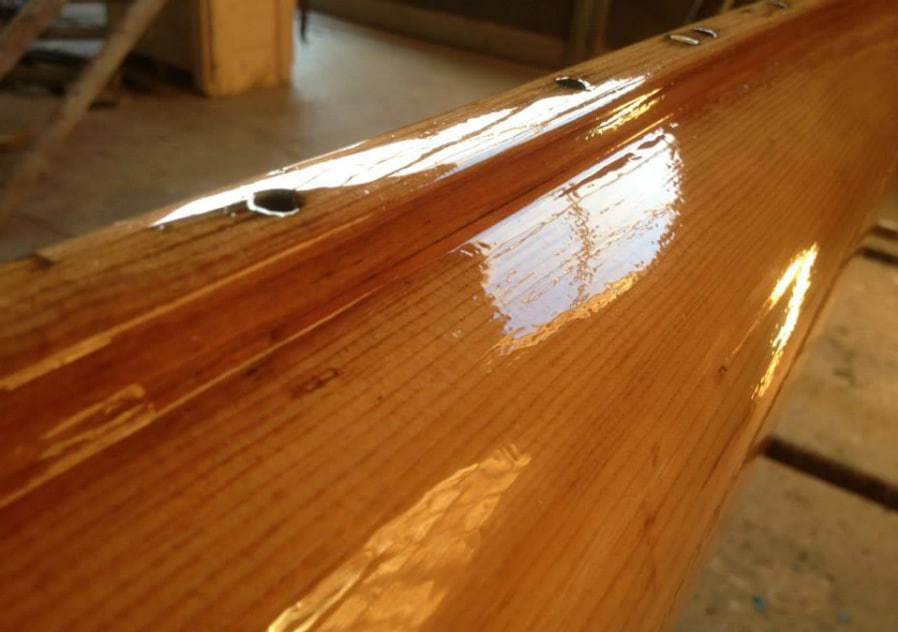
Pour or brush the mixed epoxy onto the wood, guiding it with a straight edge, spreader, or brush for even distribution. Work quickly but carefully—epoxy has a working time (pot life) stated in the product instructions, after which it becomes too thick to spread. Apply the resin evenly and promptly for the smoothest results. For projects needing a thicker, glossy finish, such as tabletops, consider a kit like “River-Table” – Complete Kit for Creating Your First Epoxy Resin Table.
Tilt the surface slightly if needed, allowing the resin to level out and self-flatten. Use a heat gun or torch (held at a safe distance) to gently pass over the resin, releasing any surface bubbles—but avoid applying direct heat to the wood itself.

Step 4: Curing and Finishing Touches
Allow the resin to cure in a dust-free environment, following the product-specific curing times—these can range from 12 to 48 hours depending on the type used. Allow sufficient curing time before handling to prevent marks or indentations. Cover the project while it cures to shield it from dust and debris. Once fully cured, edges can be lightly sanded and, if desired, a second coat can be applied for additional depth or protection.
For artistic or fine craft finishes, “Art Pro” – Clear Epoxy Resin for Artists and Surface Coating delivers a glossy, scratch-resistant surface on decorative pieces. Finishing with a polish kits yields optimal shine on coasters, trays or table tops.
Tips, Common Pitfalls, and Troubleshooting
Avoid moisture, dust or cold environments during application and curing, as these can cause sticky surfaces, bubbles or cloudy finishes. If you spot bubbles forming, pass a heat gun briefly over the fresh resin to release trapped air. Always work in a well-ventilated area and use gloves for safety. Don’t rush mixing or application; most problems arise from incorrect ratios or insufficient mixing. Thin layers can be re-coated if needed, but thick, overheated pours can lead to soft spots—stick to maximum single pour thicknesses recommended by each resin product.
Caring for Your Epoxy-Coated Wood
Once cured, epoxy-coated wood is highly resistant to water and stains, but avoid exposing it to prolonged direct sunlight or rough handling immediately after finishing. For routine maintenance, clean with a gentle, non-abrasive cloth and avoid harsh chemicals. Light scratches can be repaired by sanding and reapplying a thin coat of resin or finishing polish.
- "EpoxyWood" – Wood Restoration Epoxy Resin for Deep Penetration and WaterproofingOriginal price was: £64.00.£39.85Current price is: £39.85."EpoxyWood" is designed for wood restoration with deep penetration and waterproofing, suitable for various wooden surfaces.
- "River-Table" – Complete Kit for Creating Your First Epoxy Resin TablePrice range: £188.85 through £444.85"River-Table" kit provides materials and instructions for crafting wood and resin tables in a clear, practical pack.
 "Art Pro" – Clear Epoxy Resin for Artists and Surface CoatingPrice range: £31.15 through £388.85"Art Pro" clear epoxy resin is suitable for artists and crafters seeking durable, high-gloss finishes with UV protection on decorative surfaces.
 "Trasparente" – Multipurpose Clear Epoxy Resin for Casting – Up to 2cmPrice range: £8.45 through £948.85"Trasparente" is an ultra-clear, multipurpose epoxy resin designed for detailed castings and woodworking projects with a self-levelling finish.
Frequently Asked Questions
Can any type of wood be coated with epoxy resin?
Yes, most woods are suitable if thoroughly dried, clean, and well-sanded. Oily or resinous woods may require extra surface preparation for adhesion.
How can I prevent bubbles when applying epoxy to wood?
Warm the resin or wood gently before pouring, mix slowly, and use a heat gun to remove bubbles after pouring for a smooth surface.
How thick can I apply epoxy resin to wood?
Refer to each resin product's guidelines: some are suited for thin coatings (1–10 mm), others for up to 2 cm pours. Avoid exceeding recommended thickness.
Is epoxy resin finish food safe on wood surfaces?
Standard epoxy resins are not food-certified. For surfaces in direct contact with food, use a product tested and certified as food safe.
Why does my epoxy resin finish feel sticky or soft?
This usually results from incorrect mixing ratios or low application temperature. Always measure carefully and let it cure warm and undisturbed.
Can I apply a second layer of epoxy resin if needed?
Yes, ensure the previous layer is fully cured and lightly sanded to provide a good key before reapplying additional resin.