 Free shipping on orders over £29,85
  Shipping Tracking!


 Google
 Facebook
How do you apply resin for marble?
Step-by-step guide to achieving a marble resin effect
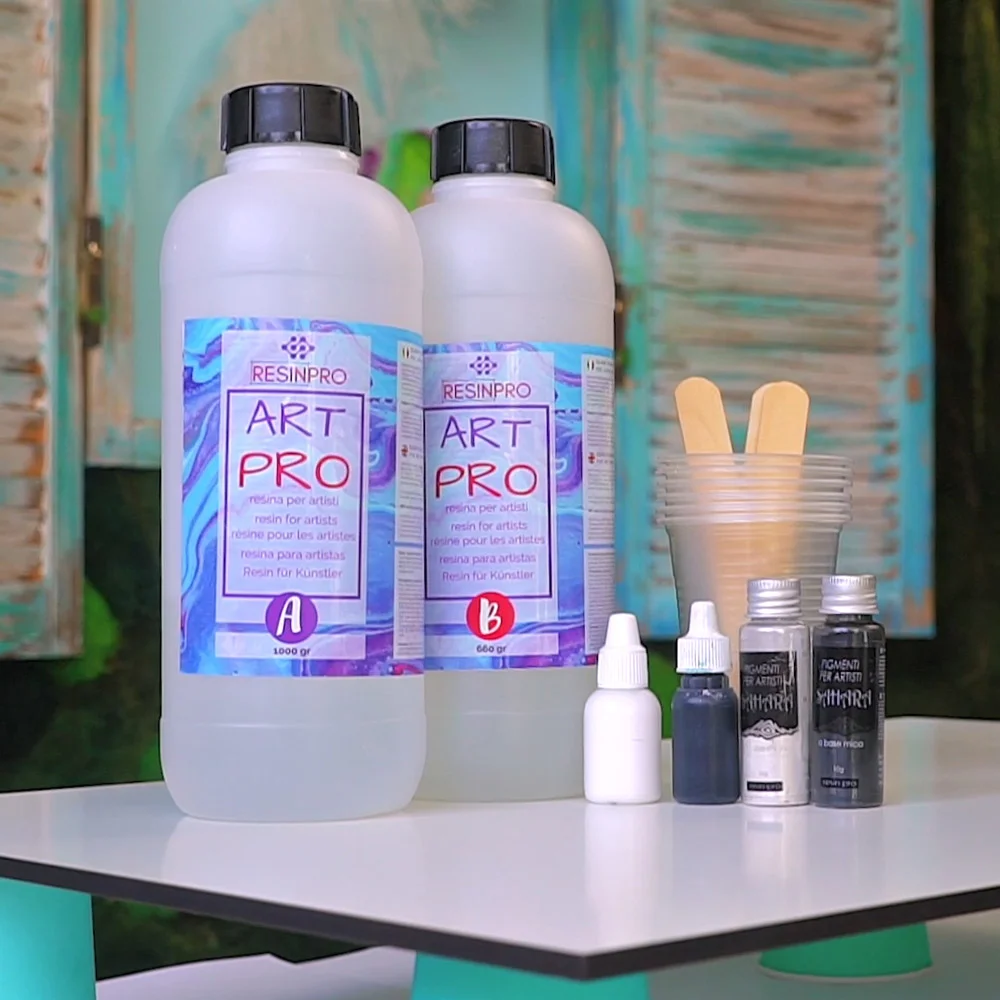
Achieving a stunning marble effect on worktops, floors, or decorative pieces is highly prized for its elegance and durability. By learning how to properly apply resin for marble, you can transform ordinary surfaces into modern statement features, enhance the longevity of stone, and even create realistic marble effects on timber or old stone. This guide walks you through the essential steps and techniques required for a flawless finish, whether you are a DIY newcomer or a professional looking to refine your skillset.
What You’ll Need
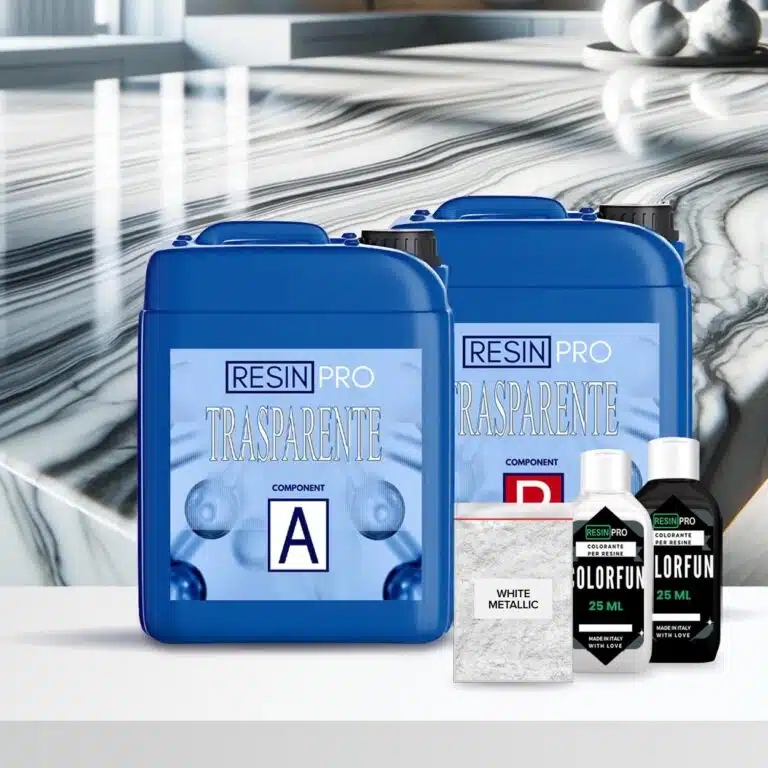
- “Stone Effect Collection” – Marble Epoxy Resin Countertop Kit: Complete kit for DIY marble effects on worktops and vanities.
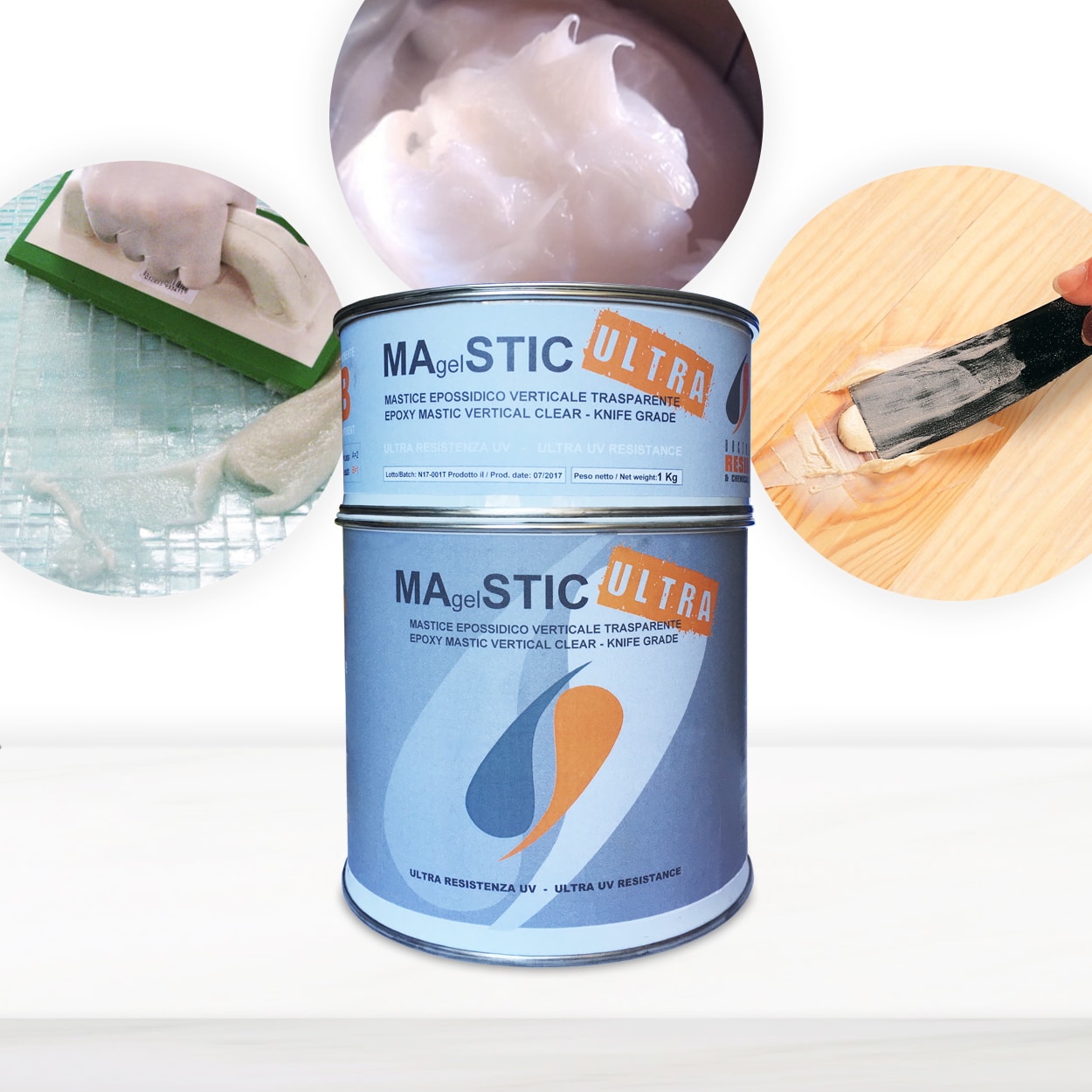
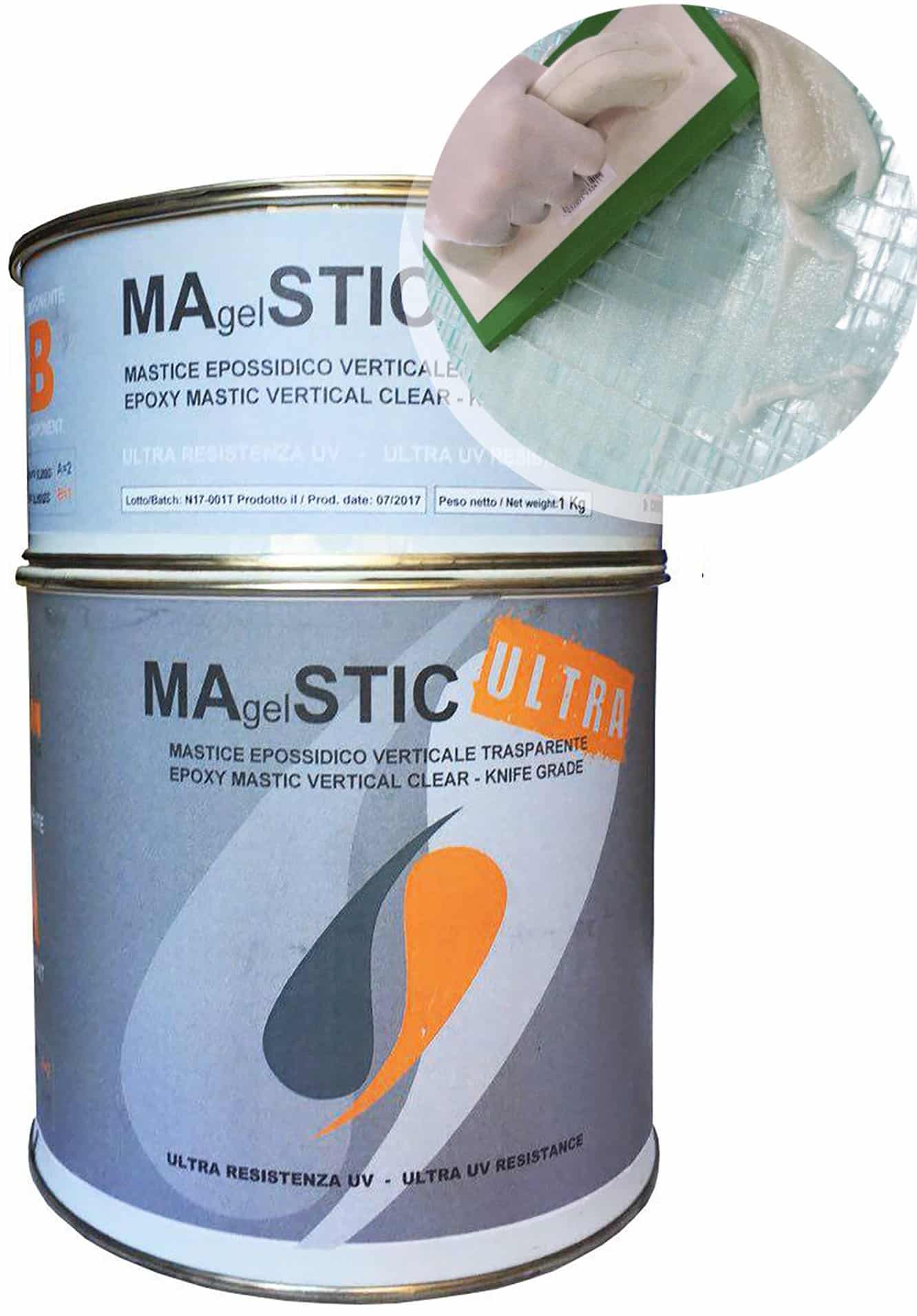
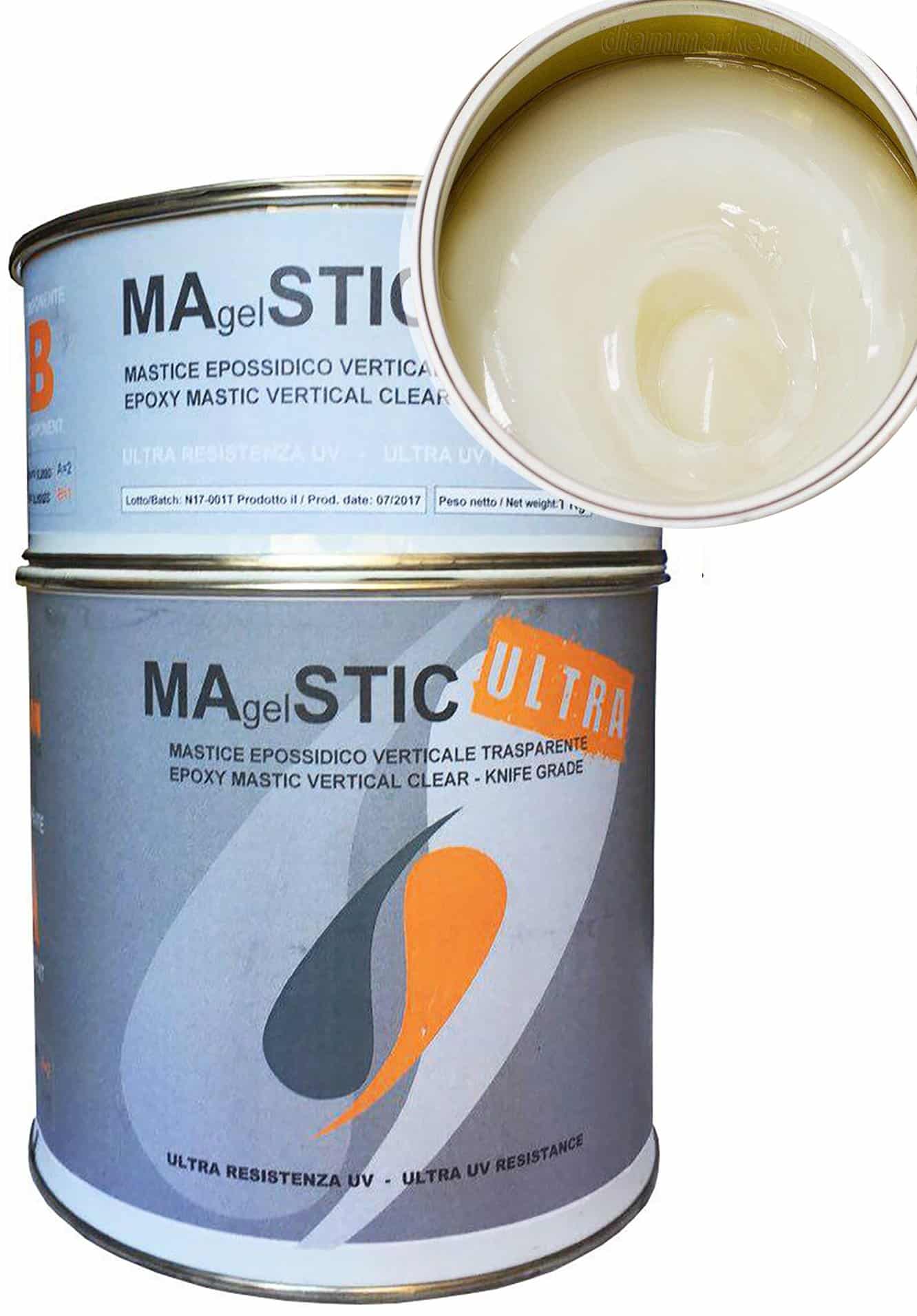
- “Magelstick” – Epoxy Mastic for Stone, Metal, and Cement Bonding and Grouting: For bonding, filling gaps, or repairs on existing marble or stone surfaces.
- “Trasparente” – Epoxy Binder for Coloured Pebbles and Grits: For resin-bound marble chip or decorative stone flooring.
- “Trasparente” – Multipurpose Clear Epoxy Resin for Casting – Up to 2cm: Ideal for clear layers or embedding designs within a marble base.
- Lint-free cloths, mixing containers, quality paint rollers or spreaders, isopropyl alcohol (for cleaning and special effects), protective gloves, and a heat gun or torch (for bubble removal).

Visualise Your Marble Resin Project
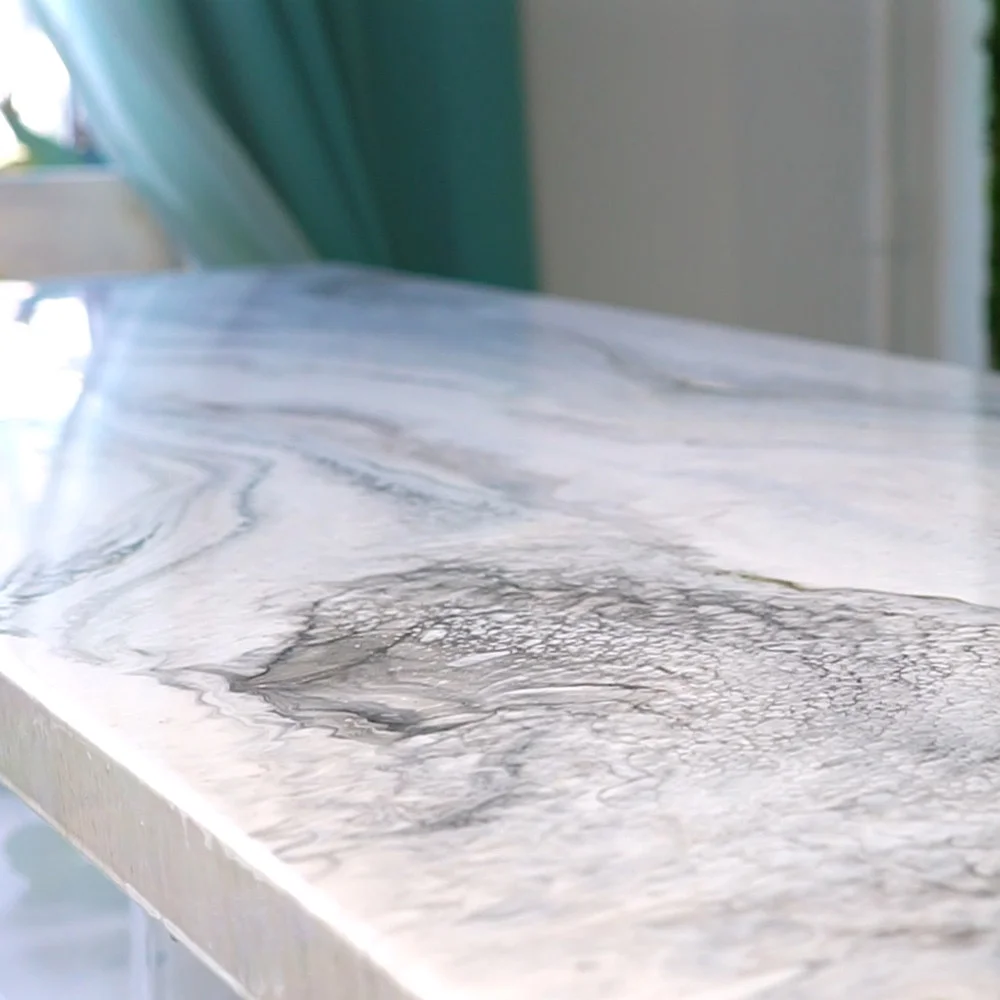
See the transformative effect of marble resin on existing worktops, old tiles, or plain stone surfaces. From intricate veining to subtle colour gradients, epoxy techniques unlock a designer finish. Explore our marble effect epoxy kits and browse before-and-after case studies for inspiration.
Step 1: Prepare and Clean Your Surface
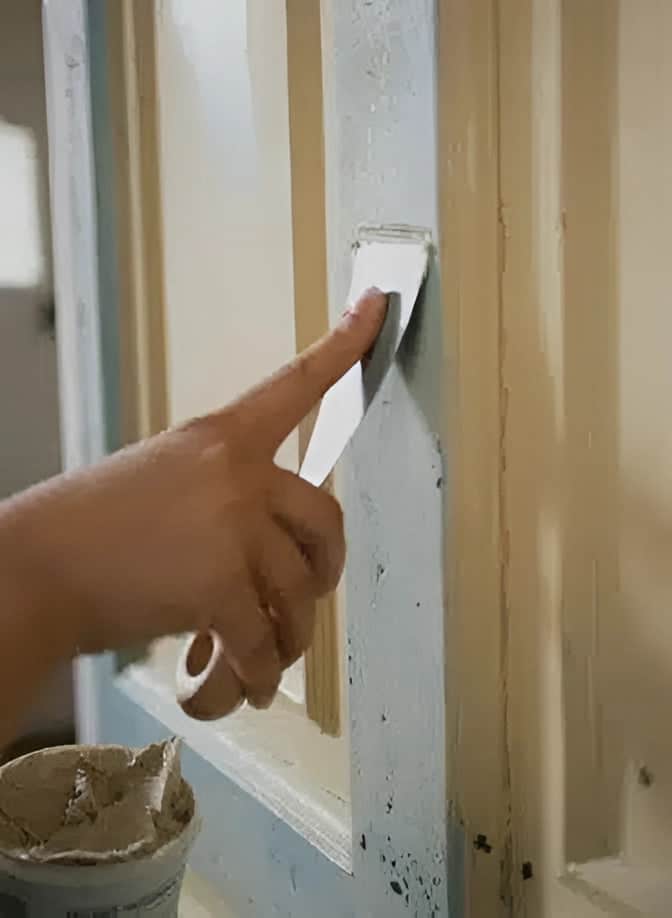
Preparation is the foundation of a lasting and attractive marble resin finish. Begin by clearing your workspace; remove any objects and cover areas you do not wish to resin. Ensure the surface is clean, dry, and free from dust—use a lint-free cloth with isopropyl alcohol for best results, especially on existing marble or stone. For damaged or pitted stone, fill any holes or cracks with a suitable repair compound. On vertical or heavy-duty areas, “Magelstick” Epoxy Mastic can be used to bond repairs or fill gaps, ensuring an even base for resin application. Allow all repairs to fully cure and sand flush if necessary for a perfectly level surface.
Step 2: Mask and Protect Surrounding Areas
Resin can flow and self-level unexpectedly, so it’s vital to protect adjacent surfaces. Use masking tape for crisp edges and protect surrounding areas with drop cloths or plastic sheeting. Pay particular attention to sinks, walls, floors, and cabinetry nearby. This will not only ensure a neat result but also save time on clean-up later. Remove or cover any hardware or fittings that may come into contact with resin. For worktops, allow for a slight overpour to achieve a seamless finish along the edges.
Step 3: Mix and Tint Your Epoxy Resin
Accurate mixing ensures optimal resin clarity and strength. Measure out the resin and hardener components following your kit’s instructions—most resin systems require careful ratios. For a marble effect, mix base tints and accent colours separately. If using the “Stone Effect Collection” – Marble Epoxy Resin Countertop Kit, you’ll have dedicated pigments, metallics, and isopropyl alcohol to help create realistic veining and tonal transitions. Stir slowly and thoroughly to combine, avoiding excess air bubbles. Prepare only as much resin as you can pour and manipulate within its working time (pot life), usually 20–40 minutes.
Step 4: Pour and Marbleize the Resin
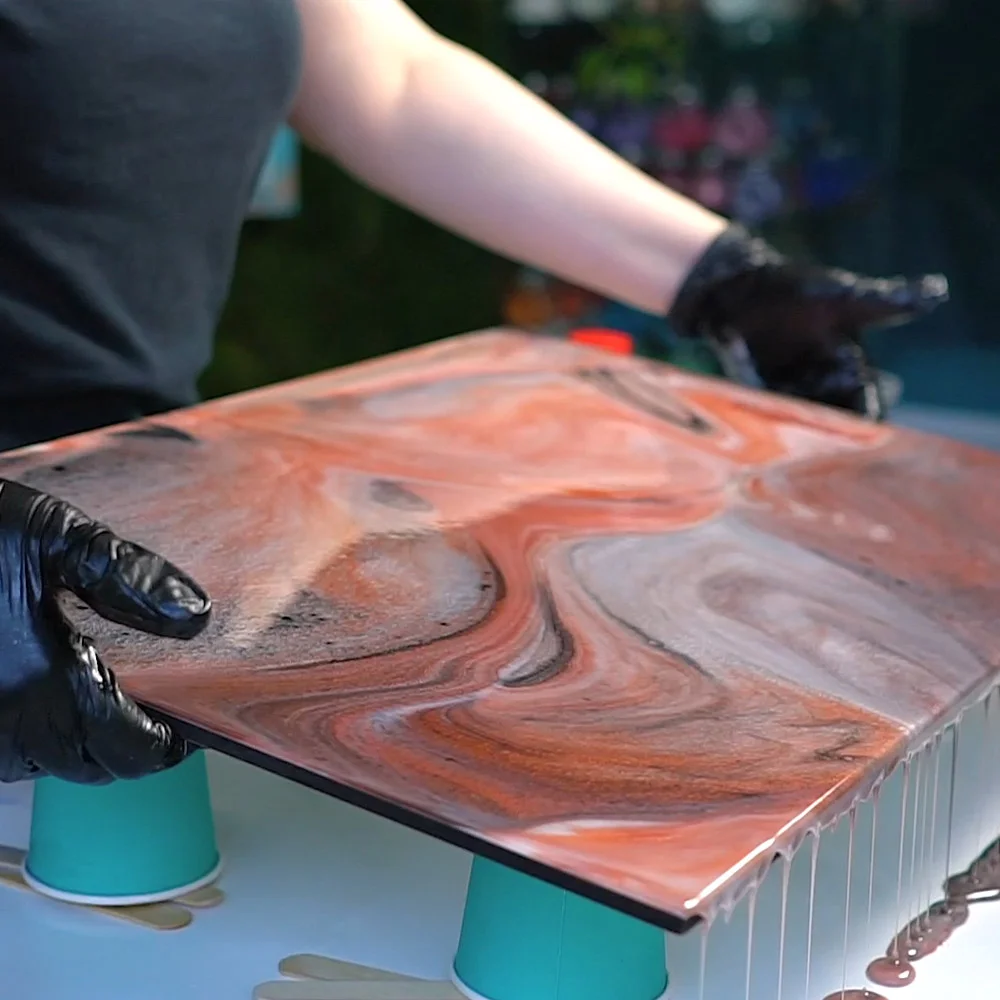
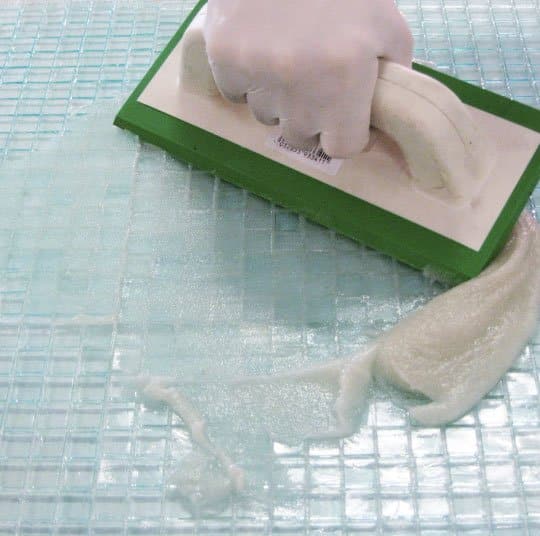
Now, you’re ready for the creative step. Apply the resin methodically in thin, even layers across your surface, using a spreader or roller. Pour the resin mixtures in your chosen locations, then gently marbleise by swirling with a stick, brush, or gloved finger. Create veins with contrasting colour and feather them for a natural look. Isopropyl alcohol can help soften lines or blend harsh transitions as provided in the countertop kits.
For floors or pebble-bound applications, combine washed marble chips or decorative stones with “Trasparente” – Epoxy Binder for Coloured Pebbles and Grits before trowelling the mix onto the intended area, ensuring even resin coverage around each aggregate. Smooth the surface and remove excess binder if necessary.
Step 5: Curing, Sanding, and Finishing Touches
Once applied, let the resin self-level and relax for a few minutes. Keep the working area at a consistent temperature and avoid dust, insects, or disturbances during the curing period, which may vary from 8 to 48 hours depending on the resin type. Remove air bubbles with a quick pass of a heat gun or torch, taking care not to scorch the resin.
For multi-layer effects or high-gloss builds, allow each resin layer to cure fully before adding more. If any drips collect on the underside, these can be sanded flush after full cure. Sand lightly between coats with fine abrasive for additional grip if a second coat is planned. Once cured, unmask the area and clean up any residue. Inspect your marble resin surface for a uniform, glassy finish before use.
Tips, Mistakes and Troubleshooting
Patience is key—rushing the cure or skipping preparation can lead to imperfections. Always follow mixing ratios precisely and avoid working outside the recommended temperature range. Do not exceed maximum pour depths as this can result in overheating or high bubble counts. For best results, practice on a small sample before tackling large projects. If removal of spills is required, wipe immediately with isopropyl alcohol (uncured) or sand gently (cured). Consider anti-slip additives if the resin is applied in high-traffic or wet areas.
Spotlight on Project Successes
Create seamless marble effects with precision—our epoxy resin kits are used throughout kitchens, bathrooms, and commercial spaces for their durable, easy-clean finish. See customer galleries for unique effects and professional tips, and let our support team guide you on complex projects from start to stunningly smooth results.
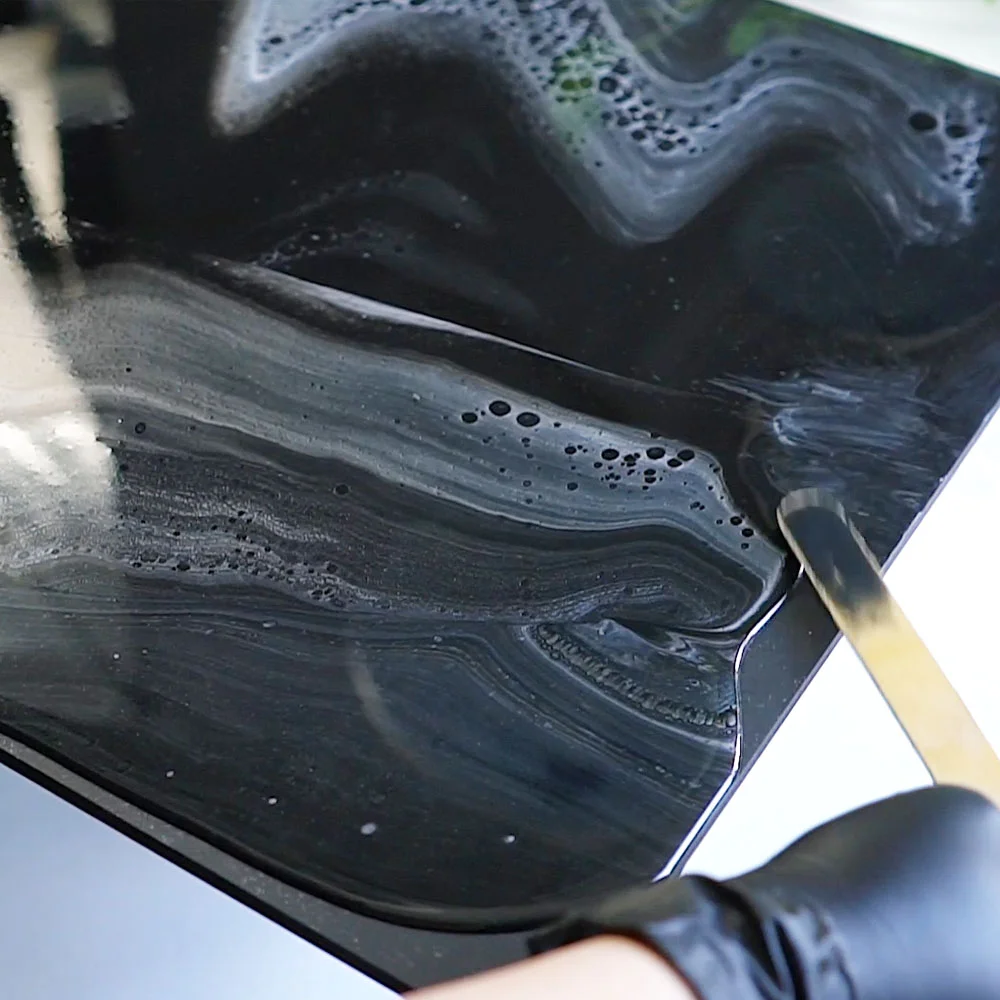
- "Stone Effect Collection" – Marble Epoxy Resin Countertop KitPrice range: £57.95 through £272.95"Stone Effect Collection" is a designer epoxy resin kit for kitchens and bathrooms, providing durable marble and stone effects that suit the theme…
- "Magelstick" – Epoxy Mastic for Stone, Metal, and Cement Bonding and Grouting"Magelstick" Epoxy Mastic is designed for professional bonding and grouting of stone and metal, supporting vertical and exterior use.
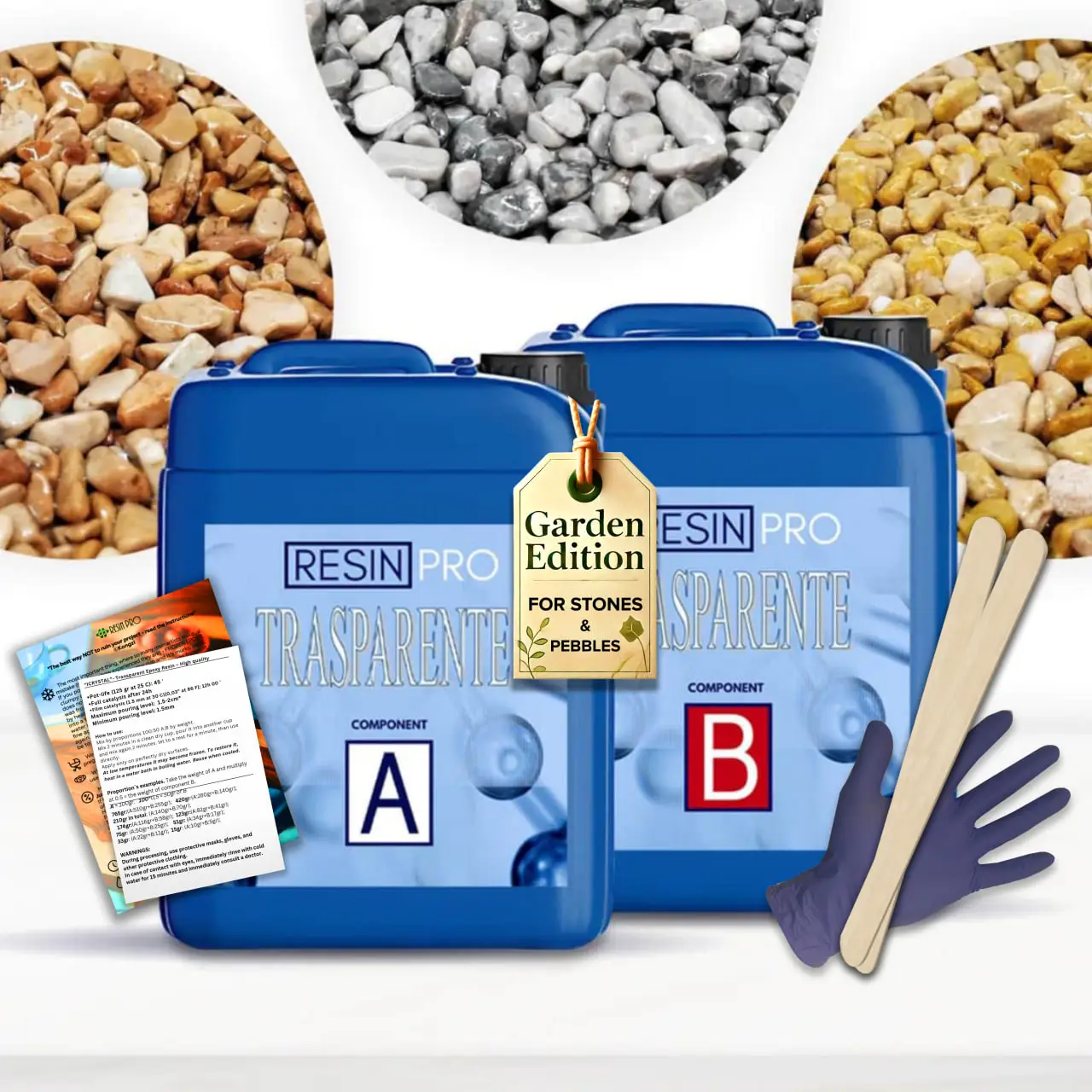 "Trasparente" – Epoxy Binder for Coloured Pebbles and GritsPrice range: £33.45 through £397.95"Trasparente" epoxy binder is designed for coloured pebbles and grits, suited for clear, UV-stable finishes on floors under the theme How do you…
 "Trasparente" – Multipurpose Clear Epoxy Resin for Casting – Up to 2cmPrice range: £8.95 through £397.95The "Trasparente" clear epoxy resin offers an ultra-clear, glossy finish up to 2cm thick, suitable for various casting and DIY projects.
Frequently Asked Questions
What is the best resin for creating a fake marble effect on worktops?
Epoxy resin kits specifically designed for marble effects, such as the Stone Effect Collection, provide optimal durability and realistic finishes.
Is epoxy resin suitable for use on marble floors?
Yes, certain epoxy resins can be used to coat marble floors, providing added protection and shine for decorative or high-traffic areas.
How do I fix bubbles that appear in my marble-effect resin?
Gently pass a heat gun or torch over wet resin to release trapped bubbles, but do not overheat the surface.
Can I use epoxy resin on outdoor marble or stone surfaces?
UV- and weather-resistant epoxy resins, such as Magelstick, are suitable for outdoor applications on marble and stone.
How long should I wait for marble epoxy resin to cure fully?
Curing times vary but typically range from 12 to 48 hours, depending on temperature, humidity, and product type.
Are marble-effect epoxy resin surfaces safe for food contact?
Some resins are food-safe once cured, but always check the specific product’s safety data before using on food preparation surfaces.