 Free shipping on orders over £29,85
  Shipping Tracking!


 Google
 Facebook
How do you apply resin on an interior staircase?
Step-by-step guidance for a flawless, durable staircase finish


Applying resin to an interior staircase transforms a high-traffic area into a visually striking and more durable focal point. Whether your stairs are wood or concrete, the right resin application will add long-lasting protection, enhance the appearance, and make cleaning simpler. This guide walks you through each decisive step—helping DIY enthusiasts and professionals alike to avoid the pitfalls that can spoil a staircase finish.
What You’ll Need
- “EpoxyWood” – Wood Restoration Epoxy Resin for Deep Penetration and Waterproofing – for sealing and reinforcing wooden stairs
- “Resinstone” – One-Component Methacrylic Resin for Concrete Floors and Driveways – for sealing concrete staircases
- “Art Pro” – Clear Epoxy Resin for Artists and Surface Coating – for an ultra-clear, decorative coat
- Resin & Paint Application Rollers – Short-Pile, Large, and Sponge Types – for precise and uniform application
- Masking tape and drop sheets
- Protective gloves, safety glasses, and ventilation (if indoors)
- Medium and fine sanding materials
- Clean cloths and dust brush
- Mixing buckets (if resin is multi-part)

Essential Resin Tools in Action
Visualise the resin application process on stairs—from preparing your surface to using precise rollers and mixing resins for strong, lasting results. These step-by-step images and examples help clarify each stage, ensuring your staircase project starts on the right foot.
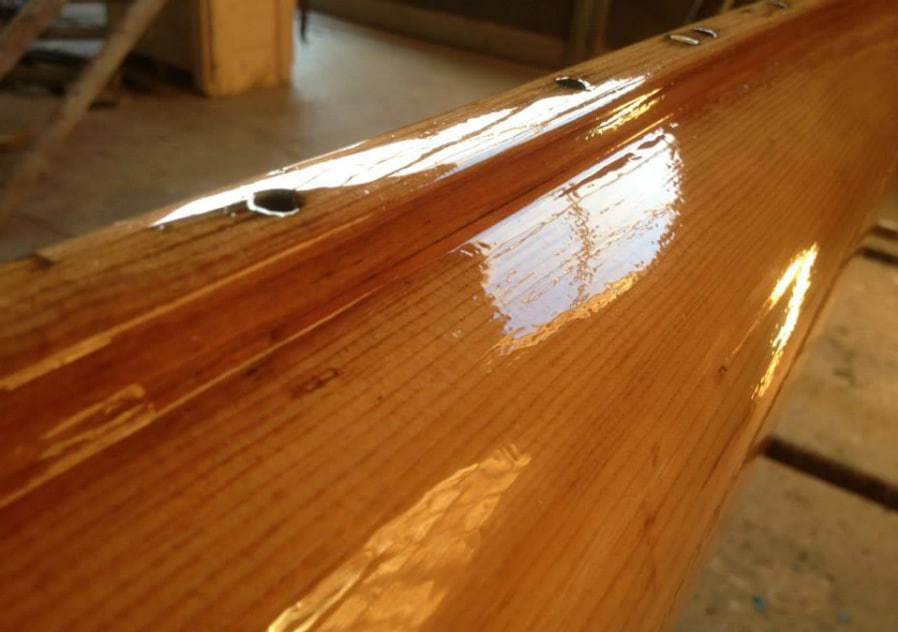
Step 1: Prepare the Staircase Surface
Begin by removing any existing coatings, peeling varnish, wax, or surface dirt from your stairs. Sand wooden or concrete areas to produce an even, slightly roughened finish. This helps promote resin adhesion. Vacuum and wipe thoroughly to eliminate dust, which can otherwise become trapped beneath the resin layer. Any cracks or significant imperfections should be filled and levelled.
Thorough surface preparation is critical for a strong bond—don’t rush this stage, as mistakes here will show through the final finish.
Step 2: Mask, Protect, and Plan the Areas
Use masking tape to outline where you want the resin to end, such as along skirting boards or adjacent flooring. Protect nearby surfaces with drop sheets. Plan your workflow before opening the resin, identifying a logical starting point (usually the top of the staircase, working downward) to avoid walking over freshly coated areas.
Use careful masking to achieve sharp, professional edges that accentuate the final look.
Step 3: Mix and Apply the Base Resin Layer
With the surface dust-free and masked, mix your selected resin thoroughly—following the manufacturer’s recommended ratio. For wooden staircases, EpoxyWood is ideal for achieving deep reinforcement and waterproofing. For concrete, use Resinstone to seal against moisture and daily wear.
Apply the resin evenly using a suitable roller: use a short-pile roller for precision along edges, a large roller for treads and risers, or opt for a sponge roller to create a self-levelling finish. Work in thin coats, ensuring the resin does not pool or run. Overlapping strokes will help achieve uniformity.
Apply resin in thin, controlled coats for optimal results and avoid overloading the surface.
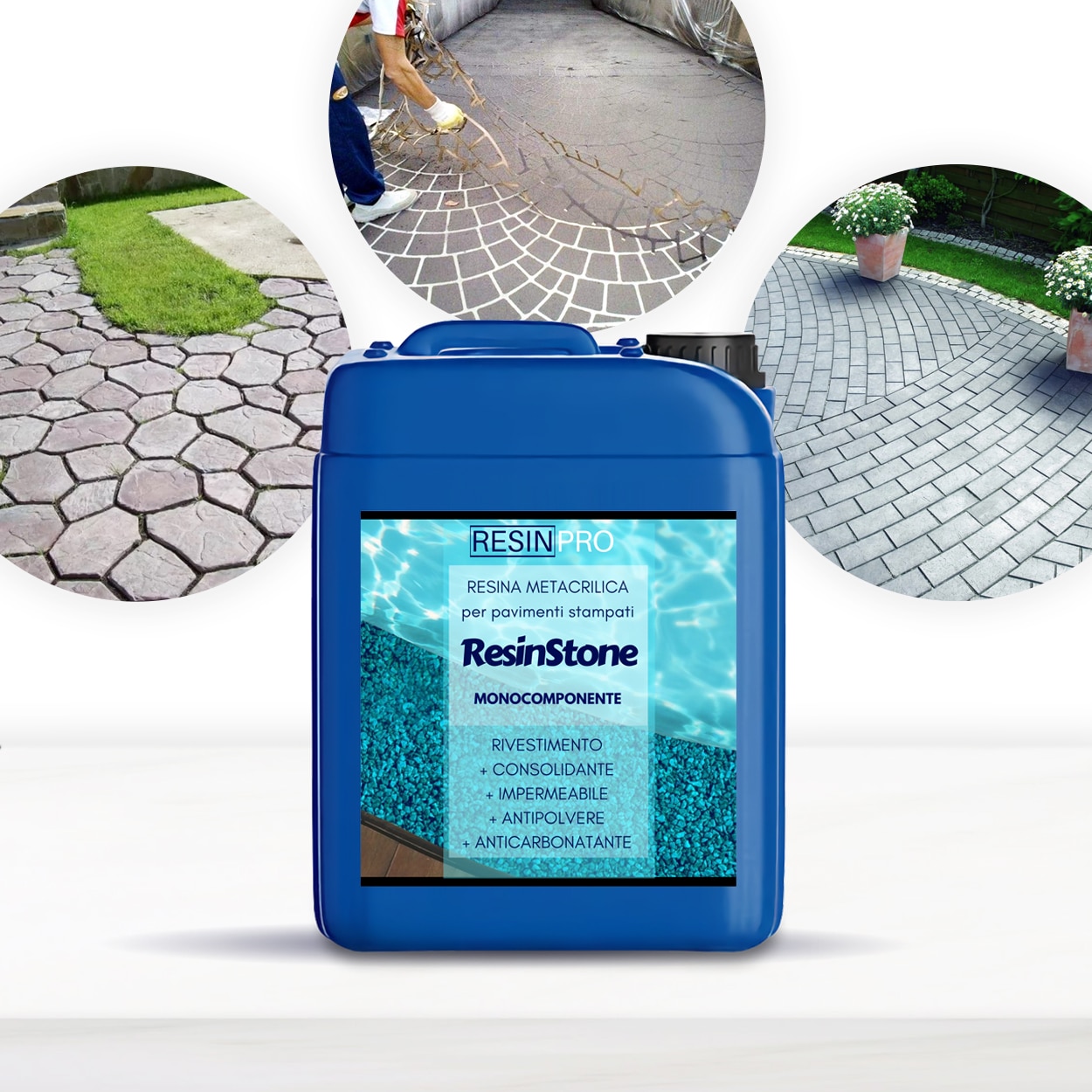
Step 4: Curing and Applying a Decorative Finish
Allow the first coat to cure according to manufacturer instructions before applying further layers. Good ventilation speeds up curing and reduces odours. If a glare-free, glasslike finish is desired, apply a final, thin layer using Art Pro clear epoxy resin, following the stated 3:2 mixing ratio. Ensure each coat is fully set before proceeding to the next step—this will reduce the risk of surface defects and ensure a strong, durable bond throughout the staircase.
Allow full curing before heavy foot traffic to protect the integrity and longevity of your staircase resin coating.

Tips, Common Mistakes, and Troubleshooting Advice
Temperature and humidity significantly affect resin flow and cure speed—apply at the recommended conditions. Trapped dust or missed surface prep can cause fisheyes or rough patches. Air bubbles may form if resin is overworked; using a roller with gentle, steady pressure often solves this. If the finish looks uneven, lightly sand and recoat as needed. Spills must be wiped away promptly, and tools cleaned between coats. Patience is key at every stage for a flawless outcome.
Close-Up Techniques and Real-World Results
Examine up-close images of staircases finished with resin, focusing on common challenges like corner detailing and achieving a smooth all-over gloss. See where careful surface prep, thin layering, and strategic tool use make all the difference to professional results.
- Resin & Paint Application Rollers – Short-Pile, Large, and Sponge TypesPrice range: £3.62 through £5.09Rollers designed for epoxy resin applications offer precision and uniformity for interior staircase resin work.
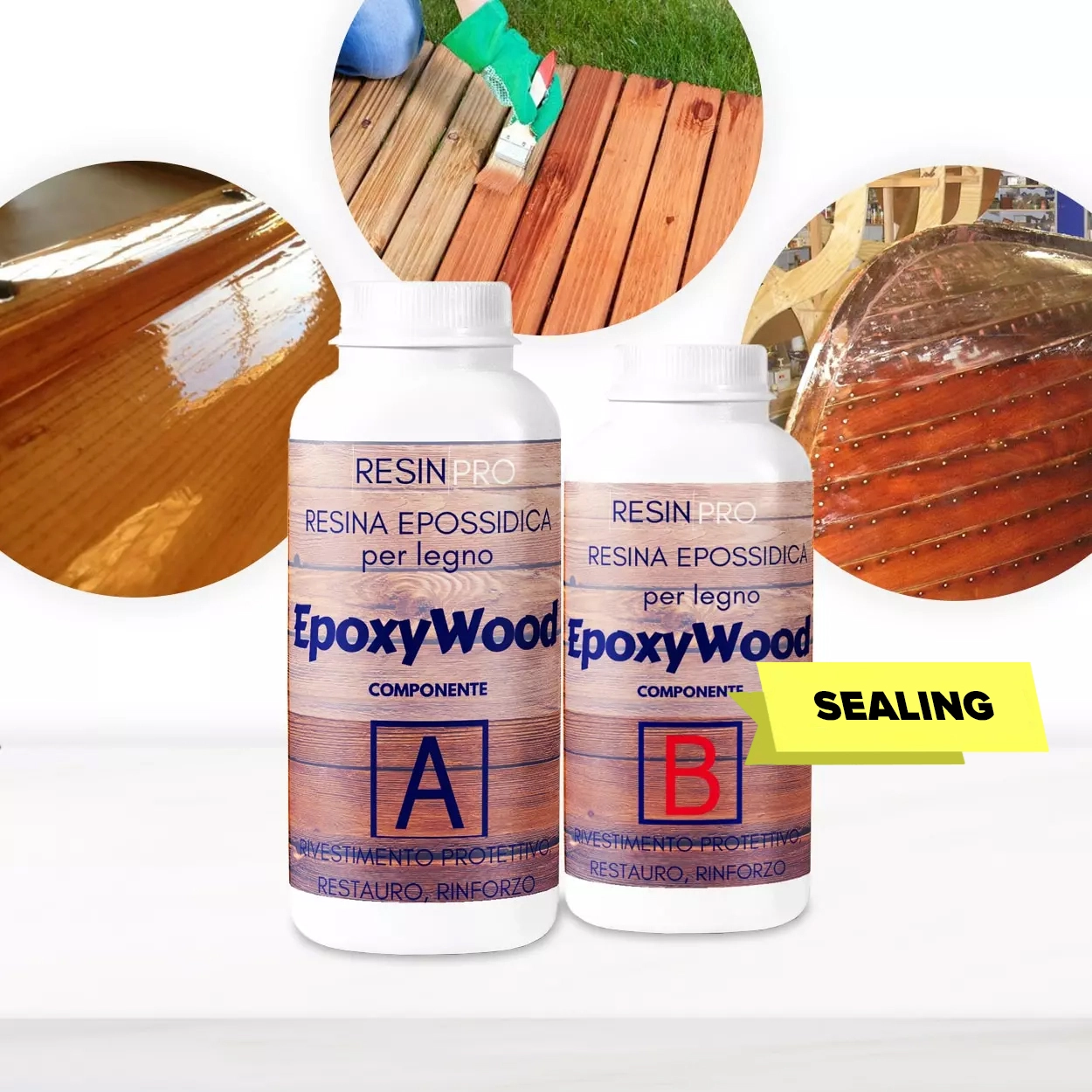
- "EpoxyWood" – Wood Restoration Epoxy Resin for Deep Penetration and WaterproofingPrice range: £27.95 through £41.95"EpoxyWood" is a wood restoration epoxy resin designed to penetrate deeply and waterproof wooden surfaces for interior staircase projects.
- "Resinstone" – One-Component Methacrylic Resin for Concrete Floors and DrivewaysPrice range: £36.71 through £336.48"Resinstone" is a one-component methacrylic resin designed for sealing and protecting concrete floors and driveways.
 "Art Pro" – Clear Epoxy Resin for Artists and Surface CoatingPrice range: £19.95 through £267.95Art Pro clear epoxy resin is suitable for artists and crafters requiring a durable, clear surface coating with UV protection.
Frequently Asked Questions
Which resin should I use for a wooden staircase versus a concrete one?
Use EpoxyWood for deep penetration and waterproofing on wood; Resinstone is ideal for protecting and sealing concrete stairs.
Is it necessary to apply more than one layer of resin?
Multiple thin coats are recommended to achieve a durable, smooth finish, ensuring each layer is fully cured before applying the next.
Are rollers suitable for applying resin on stairs?
Yes, resin application rollers deliver even coverage on both detail and large areas, supporting precise work along edges and steps.
When are resin-coated stairs ready for foot traffic?
Wait until the final resin coat is fully cured, which can take from 12 to 48 hours or longer based on product and conditions.
Is it necessary to sand the surface between resin coats?
Yes, a gentle sanding improves adhesion between layers, especially if more than 24 hours have passed between coats.
How do I fix air bubbles or uneven resin surfaces?
Lightly sand down problem areas and reapply resin, ensuring you avoid overworking and maintain steady application pressure.