 Free shipping on orders over £29,85
  Shipping Tracking!


 Google
 Facebook
How do you clean a brush used with epoxy resin?
Step-by-step process to keep your brushes in perfect condition
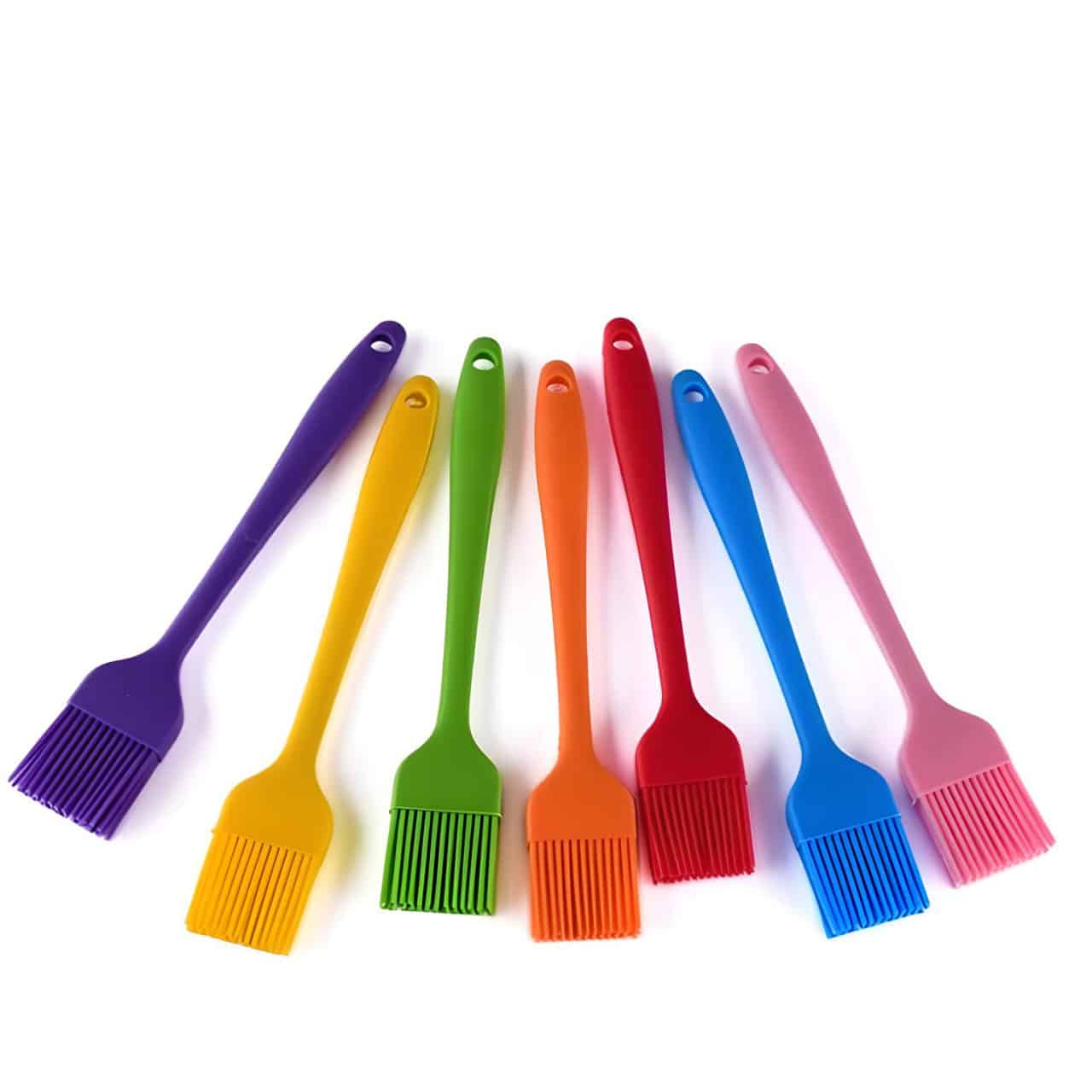
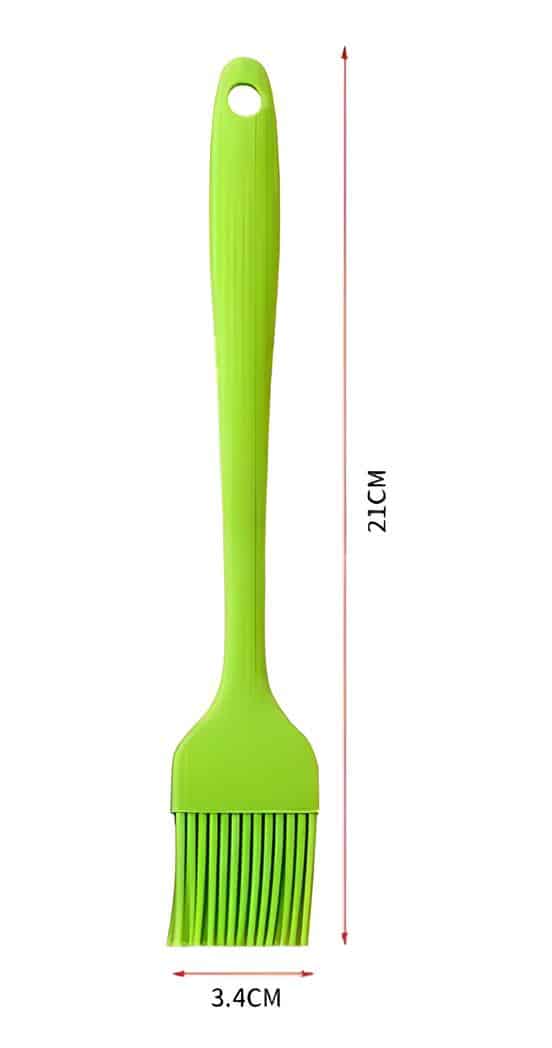
Keeping your brushes clean after working with epoxy resin ensures they last longer and maintain their performance for future projects. Proper cleaning not only saves you money by reducing waste, but it also helps you achieve the best finish in your resin crafts and artwork. This guide will walk you through the essential steps and share expert advice on handling, washing, and looking after your brushes post-resin application.
What You’ll Need
- Reusable Silicone Resin Brush for Epoxy Art and Wood Applications – For easy cleaning and repeated use.
- Pure Isopropyl Alcohol 99.9% – 1000ml Bottle for Epoxy Resin Projects & DIY – For dissolving and removing resin residue effectively.
- 5-Piece Disposable Paint Brush Set for Art, Crafting & DIY Projects – For situations where a brush is intended for single use.
- 12-Piece Artists Paint Brush Set for Epoxy Resin Art & DIY Projects – For versatile application and smooth finishes.
- Gloves to protect your hands from resin and cleaning agents.
- Paper towels or clean cloths for wiping and drying.
- Warm soapy water for final rinsing.
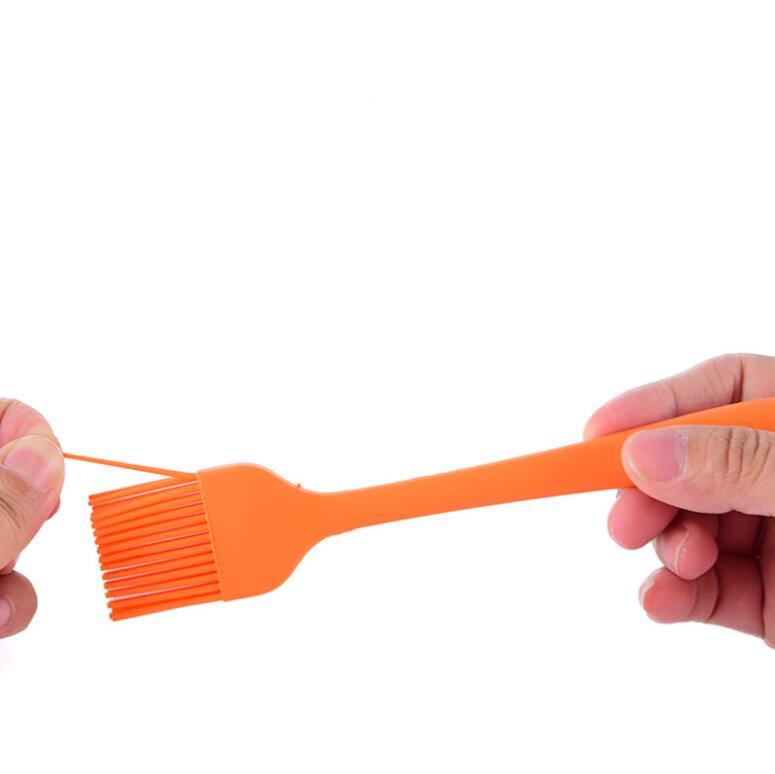
Resin Brush Cleaning Essentials
Cleaning brushes immediately after epoxy resin use preserves their quality and saves time on every project. Using products like isopropyl alcohol and selecting the right brush type, such as silicone or synthetic bristles, ensures a hassle-free cleaning process and helps your tools last longer.

Step 1: Act Quickly After Use
Never let epoxy resin fully cure on your brush. The sooner you start cleaning after finishing your resin project, the easier it will be to remove the uncured resin. As soon as you have finished applying resin, set aside your brush and begin the cleaning process. If you delay, the resin can harden and become nearly impossible to remove, especially from natural or synthetic bristles.
Prepare your workspace by donning gloves and ensuring you are in a well-ventilated area to avoid inhaling fumes from any cleaning agents.
Step 2: Wipe Off Excess Resin
Before rinsing, use a paper towel or clean cloth to gently wipe away as much excess resin as possible from the bristles. Work carefully to avoid pushing resin deeper into the brush’s base. This step is crucial for preventing solid clumps from forming when you move on to washing or soaking the brush.
If using a Reusable Silicone Resin Brush for Epoxy Art and Wood Applications, this wiping process becomes especially easy, as resin does not adhere strongly to silicone.
Step 3: Wash with Isopropyl Alcohol
Pour a small amount of Pure Isopropyl Alcohol 99.9% into a disposable container. Swirl the brush bristles thoroughly in the alcohol to dissolve remaining sticky resin. Repeat with fresh alcohol if necessary. Isopropyl alcohol breaks down uncured epoxy and is highly effective for all brush types, including synthetic and silicone varieties. Take extra care not to soak wooden brush handles for too long, as this can cause swelling or splitting.
Dispose of used alcohol according to local environmental regulations, as it may contain chemical residues.

Step 4: Rinse in Warm Soapy Water
After the solvent step, clean the brush thoroughly with warm soapy water. Lather the bristles with mild washing-up liquid, working it in to remove every trace of resin and solvent. Continue rinsing until the water runs clear. This also helps to remove any lingering alcohol, which prevents potential bristle damage and ensures your brush is ready for future use.
This step works well with any synthetic or silicone brushes, such as those in the 12-Piece Artists Paint Brush Set for Epoxy Resin Art & DIY Projects.

Step 5: Dry and Store Properly
Gently pat the brush with a paper towel or clean cloth to remove excess water. Shape the bristles and lay the brush flat or hang it to dry, bristle-side down, to prevent water from seeping into the ferrule. When fully dry, store your brushes in a cool, dust-free place to keep them in top condition for your next resin project.
If you use disposable paint brushes for convenience, these can be safely discarded, but always follow safe disposal guidelines for brushes contaminated with resin.
Tips and Common Mistakes When Cleaning Resin Brushes
- Act quickly to prevent resin hardening; cleaning is most effective before the resin cures.
- Do not use acetone or aggressive solvents on all brush types, as they may damage bristles or handles.
- No need to soak silicone brushes for long periods; resin peels or rinses away easily from silicone.
- Use gloves and work in a ventilated area when cleaning to avoid skin irritation from resin or fumes.
- Never pour used solvents down the drain; follow local disposal regulations.
Expert Advice for Resin Tool Care
A little preparation goes a long way for smooth resin clean-up! Keep isopropyl alcohol and warm water nearby when working, and always wear gloves. Regular, careful maintenance means your favourite brushes are always ready for your next epoxy resin adventure.

- Reusable Silicone Resin Brush for Epoxy Art and Wood Applications£3.62Reusable Silicone Resin Brush designed for precise epoxy resin application with easy cleaning and eco-friendly use.
- Pure Isopropyl Alcohol 99.9% – 1000ml Bottle for Epoxy Resin Projects & DIYPrice range: £10.45 through £20.95Pure Isopropyl Alcohol 99.9% in 1000ml is suitable for epoxy resin projects and DIY, supporting cleaning and bubble removal.
- 5-Piece Disposable Paint Brush Set for Art, Crafting & DIY Projects£6.45A set of five disposable brushes designed for detailed painting and crafting, suitable for epoxy resin projects and other intricate work.
 12-Piece Artists Paint Brush Set for Epoxy Resin Art & DIY Projects£6.95This 12-piece brush set offers versatile shapes and durable synthetic bristles, suitable for epoxy resin art and DIY projects.
Frequently Asked Questions
What is the best way to clean a brush after using epoxy resin?
Clean the brush immediately by wiping off excess resin, soaking in isopropyl alcohol, then rinsing with warm soapy water.
Can I reuse a brush after cleaning off epoxy resin?
Yes, as long as the resin is removed before curing and the brush is cleaned thoroughly, it can be reused.
How do I remove cured epoxy from a brush?
Once epoxy has fully cured, it is nearly impossible to remove without damaging the brush. Prevention is key.
Is isopropyl alcohol safe to use for cleaning brushes?
Yes, it is suitable for most synthetic, silicone, and some natural brushes. Always rinse thoroughly afterwards.
Can I wash a resin brush with just water?
Water alone is not effective for uncured resin. Use isopropyl alcohol first, then finish with soapy water.
Does cleaning differ for silicone and synthetic brushes?
Silicone brushes are much easier to clean because resin doesn't adhere strongly; synthetic bristles may need extra care.