 Free shipping on orders over £29,85
  Shipping Tracking!


 Google
 Facebook
How do you clean epoxy grout from the door?
Effective techniques for removing epoxy grout safely at home
Removing epoxy grout from door surfaces can seem daunting due to its strong adhesive qualities, but with the right steps and proper tools, you can restore your door’s appearance safely and effectively. This guide covers practical, proven methods for cleaning away epoxy grout without damaging your door—perfect for homeowners, DIYers, and anyone handling a renovation mishap.
What You’ll Need
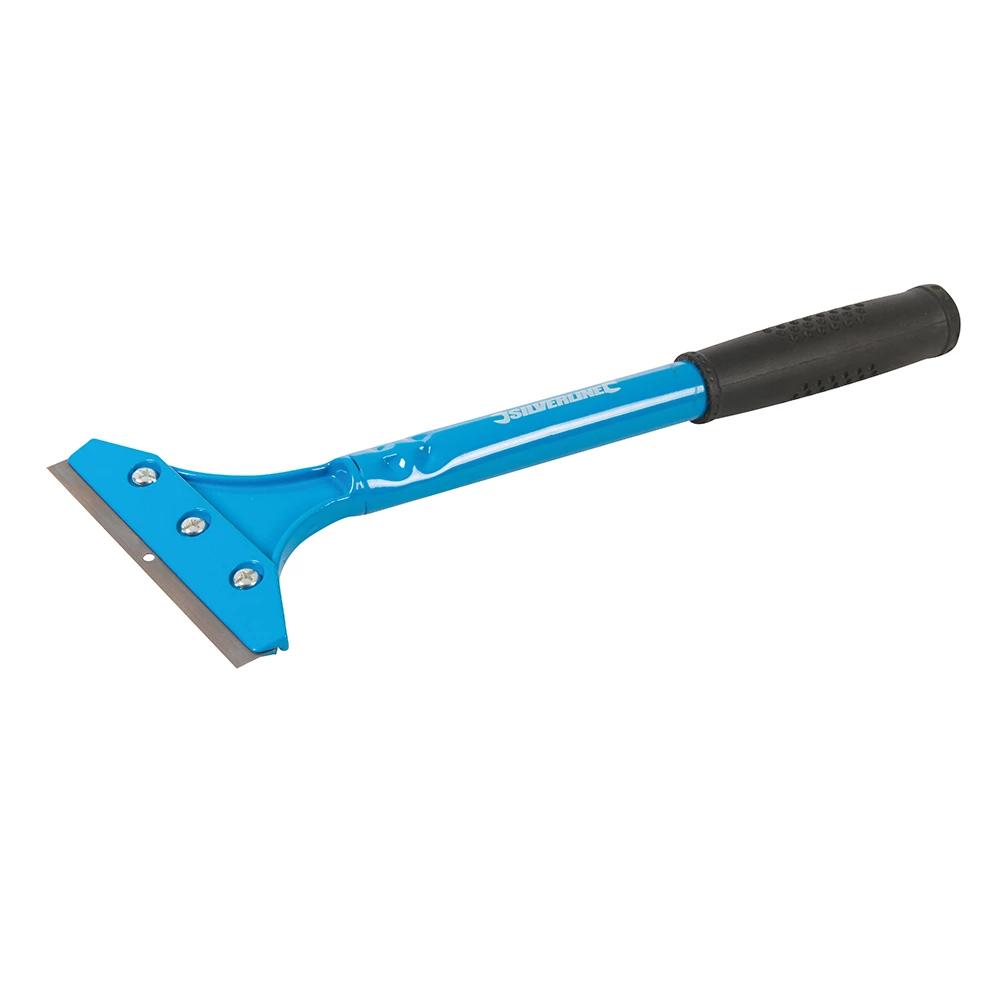
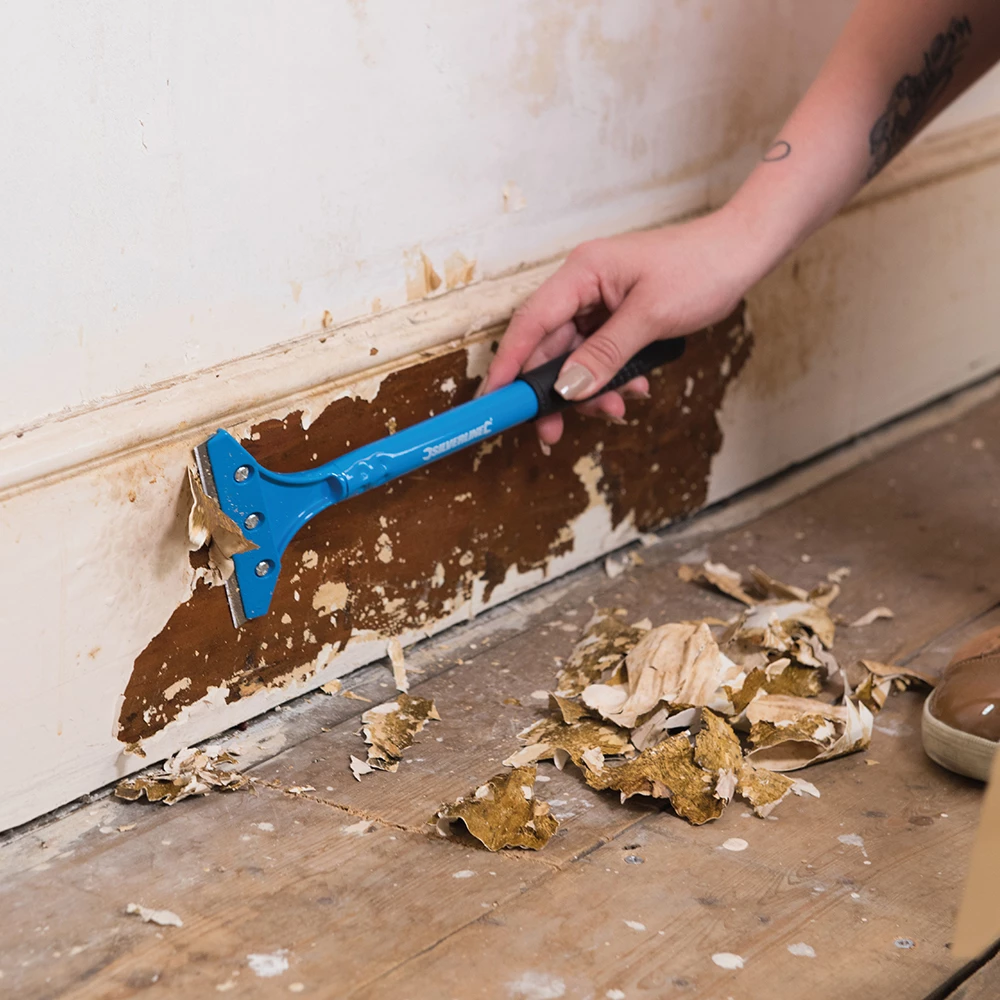
- Heavy Duty Scraper for Paint and Epoxy Resin Removal – for gently lifting cured grout
- Pure Isopropyl Alcohol 99.9% – 1000ml Bottle for Epoxy Resin Projects & DIY – helps soften stubborn residues
- Strong Technical Degreaser for Resin Projects – 100% Natural Formula – cleans lingering grout or grease
- “Ebonite Abralon” – Sanding Pads 360-4000 Grit for Resin and Wood – refines and polishes the finish if needed
- Soft cloths or non-abrasive sponges
- Protective gloves and goggles
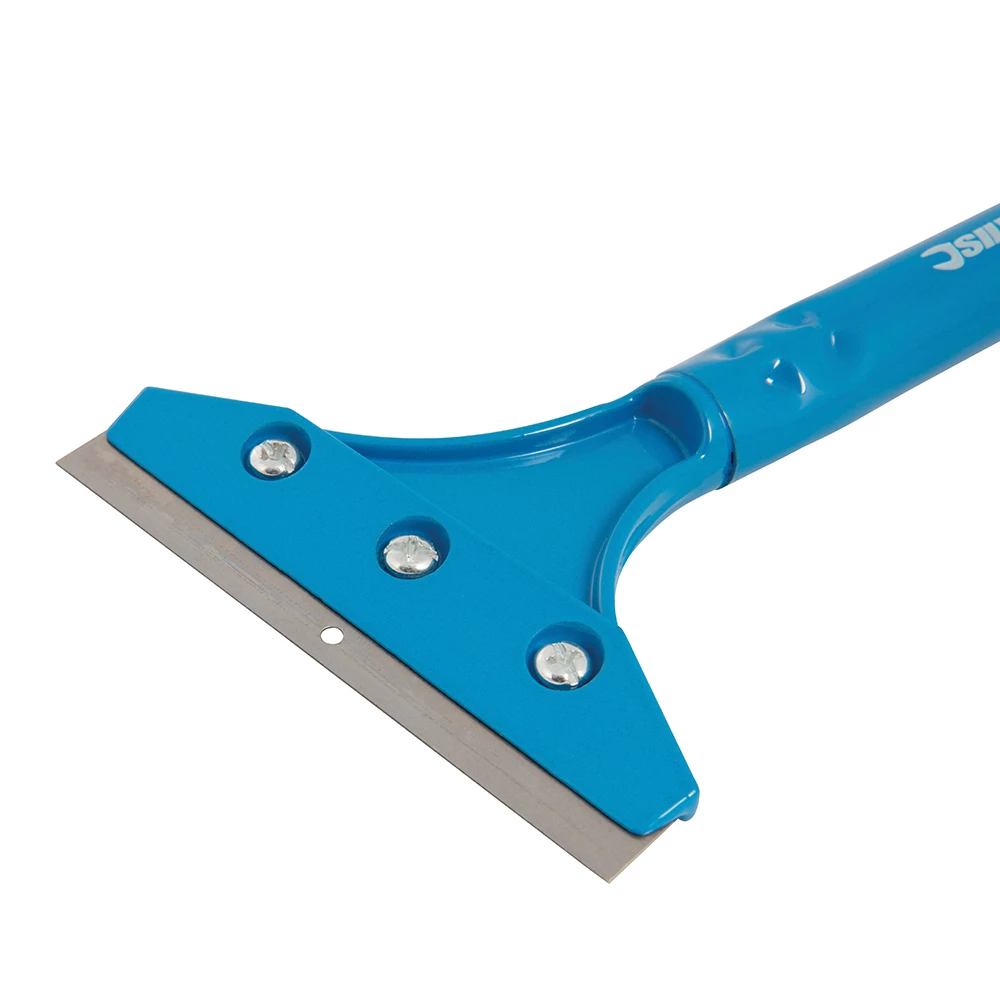
Cleaning Epoxy Grout: Tools in Action
Using the right combination of scrapers, isopropyl alcohol, a gentle degreaser, and fine sanding pads allows you to remove epoxy grout efficiently while protecting your doors. Each tool plays a role depending on how stubborn the residue is and the finish you wish to preserve.
Step 1: Prepare Your Workspace and Door
Begin by ensuring your workspace is well-ventilated and your door is stable, either on its hinges or laid flat if possible. Remove any loose dirt or debris with a soft cloth. Wear protective gloves and goggles to avoid irritants from dust or cleaning agents. Identify the areas with epoxy grout, and note whether the residue is thick or thin—this will inform how much mechanical effort or chemical softening is required. Be sure to cover areas around the epoxy to protect delicate door finishes.

Step 2: Gently Scrape Off Cured Epoxy Grout
For hardened or thick patches of epoxy grout, manual removal is the best approach. Gentle scraping is key to prevent scratches or damage to the door’s surface. Use a Heavy Duty Scraper for Paint and Epoxy Resin Removal, holding it at a low angle and applying light, controlled pressure to lift grout away. Work slowly in short strokes, allowing the sharp blade to edge beneath the epoxy without gouging the underlying material. For wood or painted surfaces, go even slower to avoid surface marks.
Step 3: Soften and Remove Stubborn Residues
Should remnants prove resistant, focus on softening the epoxy for easier removal. Lightly dampen a clean cloth with Pure Isopropyl Alcohol 99.9% – 1000ml Bottle for Epoxy Resin Projects & DIY, and apply it to the grout, letting it sit for several minutes. This may help weaken the bond. After soaking, gently wipe and re-scrape the area as needed. Always test products on a small area first to ensure compatibility with the door’s finish. Repeat until most of the residue is gone.
Step 4: Clean and Refresh the Door Surface
With bulk grout removed, cleanse the area to eliminate residues and oils. A Strong Technical Degreaser for Resin Projects – 100% Natural Formula works for this final cleaning, as it is gentle on surfaces and skin. Spray or apply a small amount on the treated sections, then wipe thoroughly with a damp cloth. For stubborn marks or potential haze, consider light polishing using “Ebonite Abralon” – Sanding Pads 360-4000 Grit for Resin and Wood, choosing a fine grit like 2000+ to restore the door’s sheen. Finish by wiping the area clean and allowing the door to dry fully before use.

Tips and Common Mistakes to Avoid
Work in a ventilated space when using alcohol or degreasers. Avoid using harsh metal tools or aggressive chemicals on painted or delicate surfaces, as these can cause lasting damage. Patience is essential; attempting to force or rush the process can result in scratches or incomplete cleaning. Tackle the grout gradually, and always clean tools between steps to prevent residue transfer.
Safety and Surface Care Advice
Always check the compatibility of any product on a hidden part of the door first to avoid damage. Maintain gentle, even pressure when sanding or scraping, and ventilate the area well to disperse fumes from alcohol and cleaning agents.
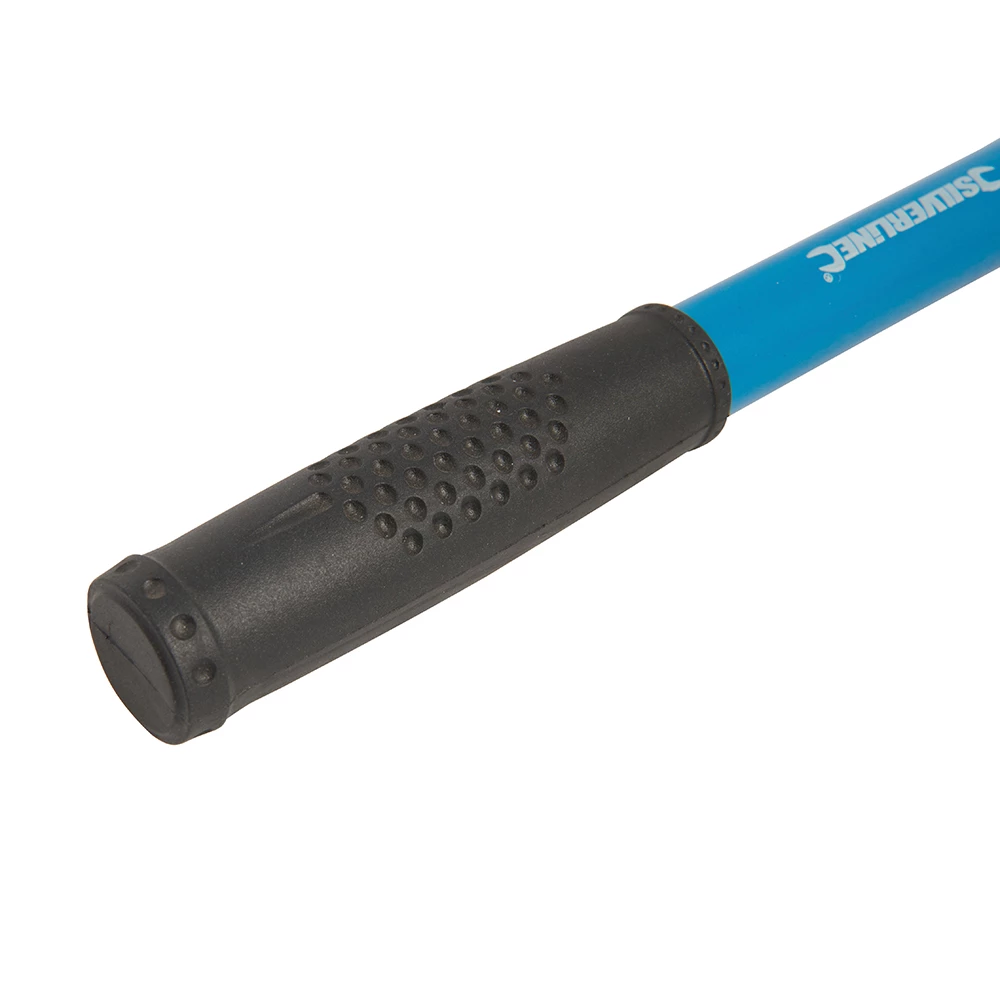
- Heavy Duty Scraper for Paint and Epoxy Resin Removal£8.95The Heavy Duty Scraper is designed for efficient removal of wall coverings, paint, and tiles with a lightweight and ergonomic design.
- Pure Isopropyl Alcohol 99.9% – 1000ml Bottle for Epoxy Resin Projects & DIYPrice range: £10.45 through £20.95Pure Isopropyl Alcohol 99.9% in a 1000ml bottle is used for epoxy resin projects like bubble removal and cleaning, fitting the cleaning theme.
- Strong Technical Degreaser for Resin Projects – 100% Natural FormulaOriginal price was: £10.95.£9.45Current price is: £9.45.Strong Technical Degreaser is a 100% natural, gentle cleaner suited for multi-surface use in epoxy resin projects.
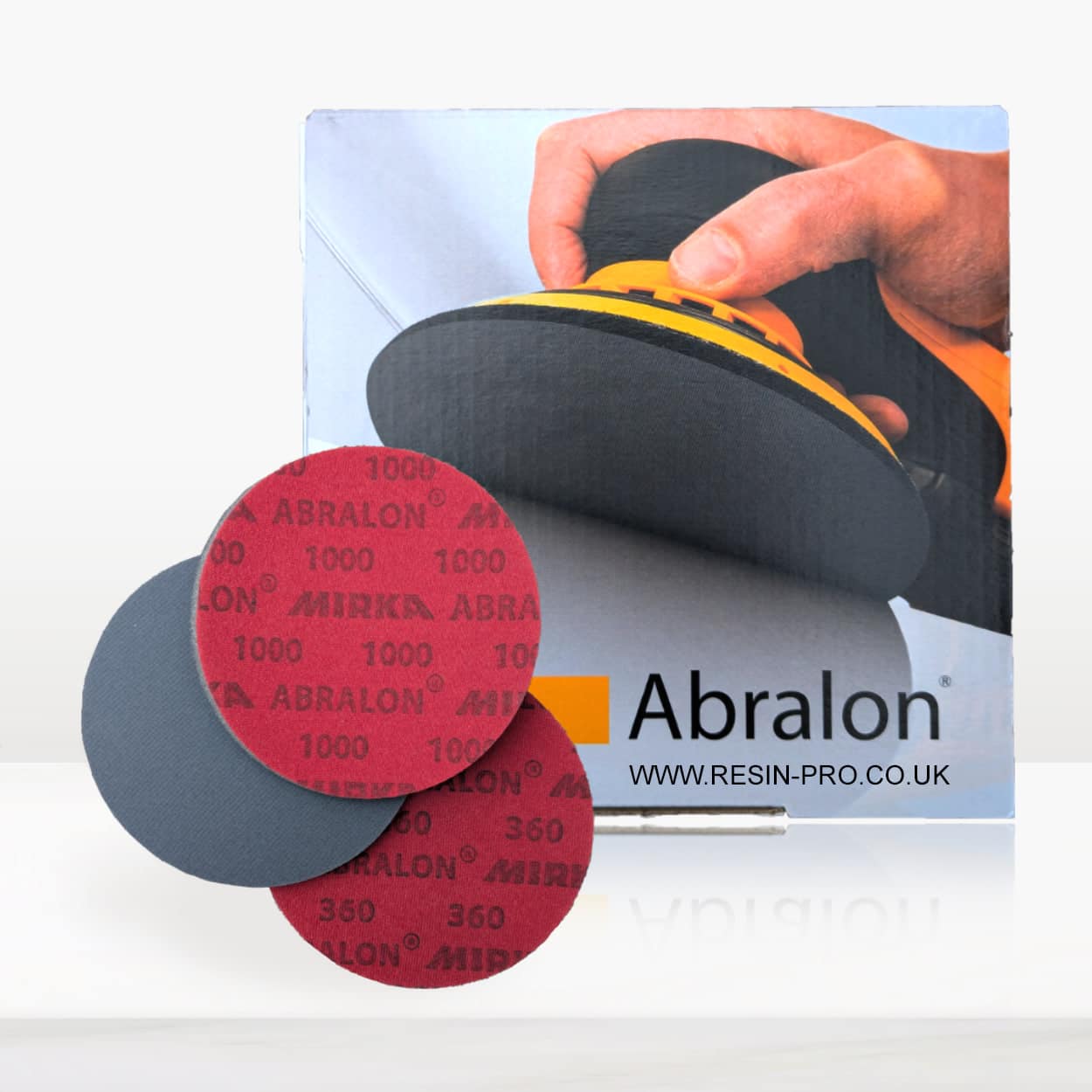 "Ebonite Abralon" – Sanding Pads 360-4000 Grit for Resin and Wood£4.15"Ebonite Abralon" sanding pads suit detailed finishing for resin and wood, offering precise grit options and versatility for wet or dry use.
Frequently Asked Questions
Can I remove epoxy grout from painted doors without damaging them?
Yes, by using gentle scraping and testing any liquid cleaners on a hidden area first, you can safely remove grout without harming the paint.
How do I avoid scratching my door while cleaning epoxy grout?
Use scraping tools at a shallow angle and apply light pressure. Switch to softer pads or cloths for finishing work.
Should I use isopropyl alcohol for epoxy grout removal?
Isopropyl alcohol can help soften epoxy residues. Always check for compatibility with your door's surface finish.
Is ventilation important when cleaning epoxy grout?
Yes, using cleaning agents like alcohol or degreaser in a well-ventilated area minimises exposure to fumes and improves safety.
How should I finish the door surface after grout removal?
Wipe thoroughly to remove residue and, if needed, polish lightly with a fine sanding pad to restore smoothness and shine.
Does the process differ for wood versus metal doors?
Yes. Wood requires extra care—use the gentlest methods possible. Metal doors may tolerate firmer scraping, but avoid deep scratches.