 Free shipping on orders over £29,85
  Shipping Tracking!


 Google
 Facebook
How do you clean epoxy resin from objects and hands?
Safely remove resin from skin and surfaces using practical methods


When working with epoxy resin, spills and sticky residues are almost inevitable—both on objects and your hands. Proper cleaning techniques are crucial for safety, maintaining your materials, and ensuring the best results in your creative or professional projects. This guide covers how to clean both uncured (still wet) and cured (fully set) epoxy resin, whether on skin or a wide variety of surfaces.
What You’ll Need
- Nitrile Gloves – 50 Pairs (100 Pieces): Gloves suitable for protection when handling epoxy resin and related materials.
- Strong Technical Degreaser for Resin Projects – 100% Natural Formula: A natural, hypoallergenic degreaser suitable for cleaning epoxy resin and other residues from various surfaces.
- Pure Isopropyl Alcohol 99.9% – 1000ml Bottle for Epoxy Resin Projects & DIY: A high purity isopropyl alcohol designed for removing bubbles and cleaning surfaces in epoxy resin projects.
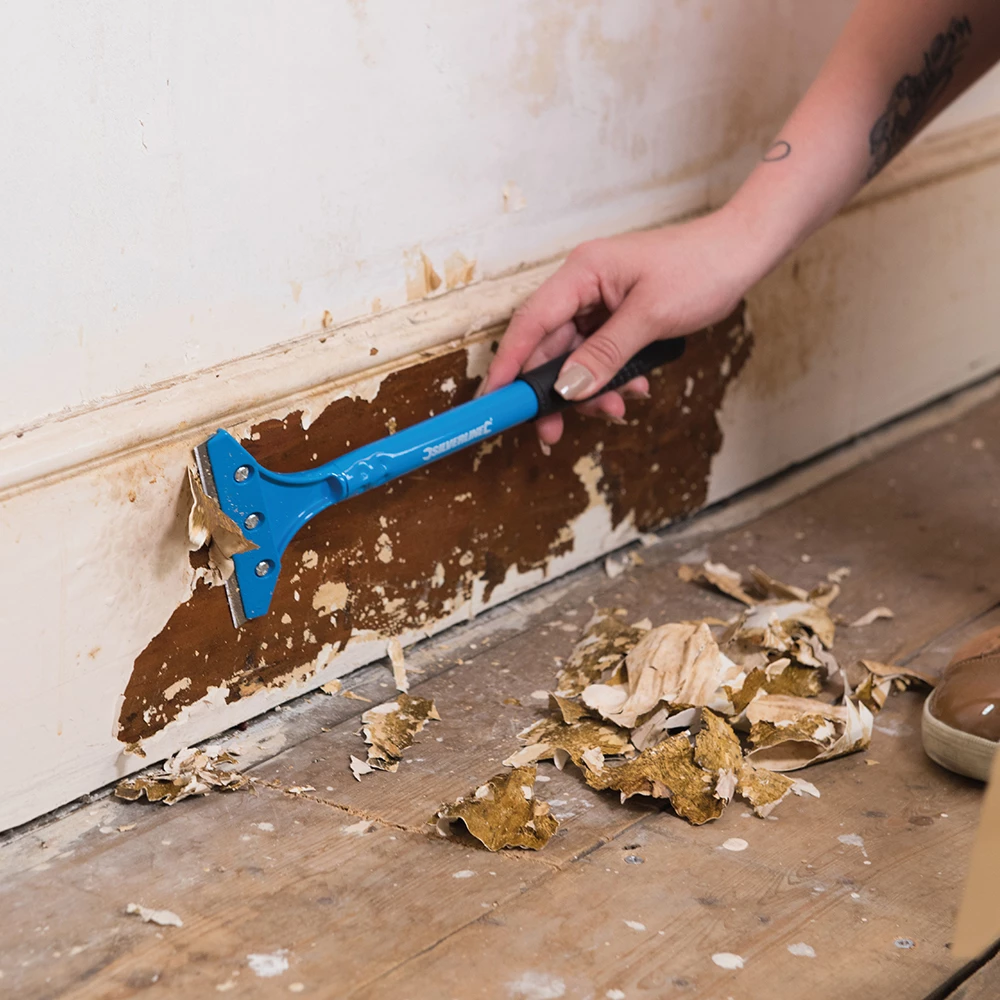
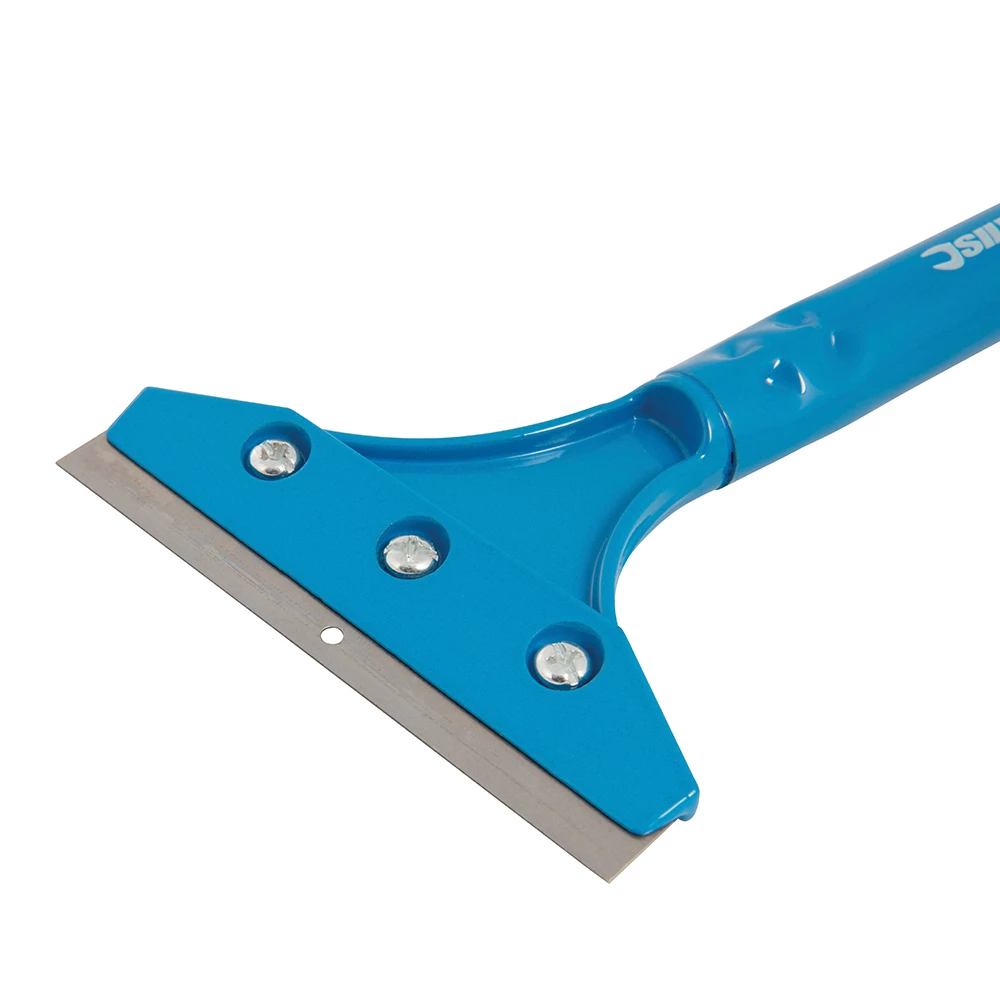
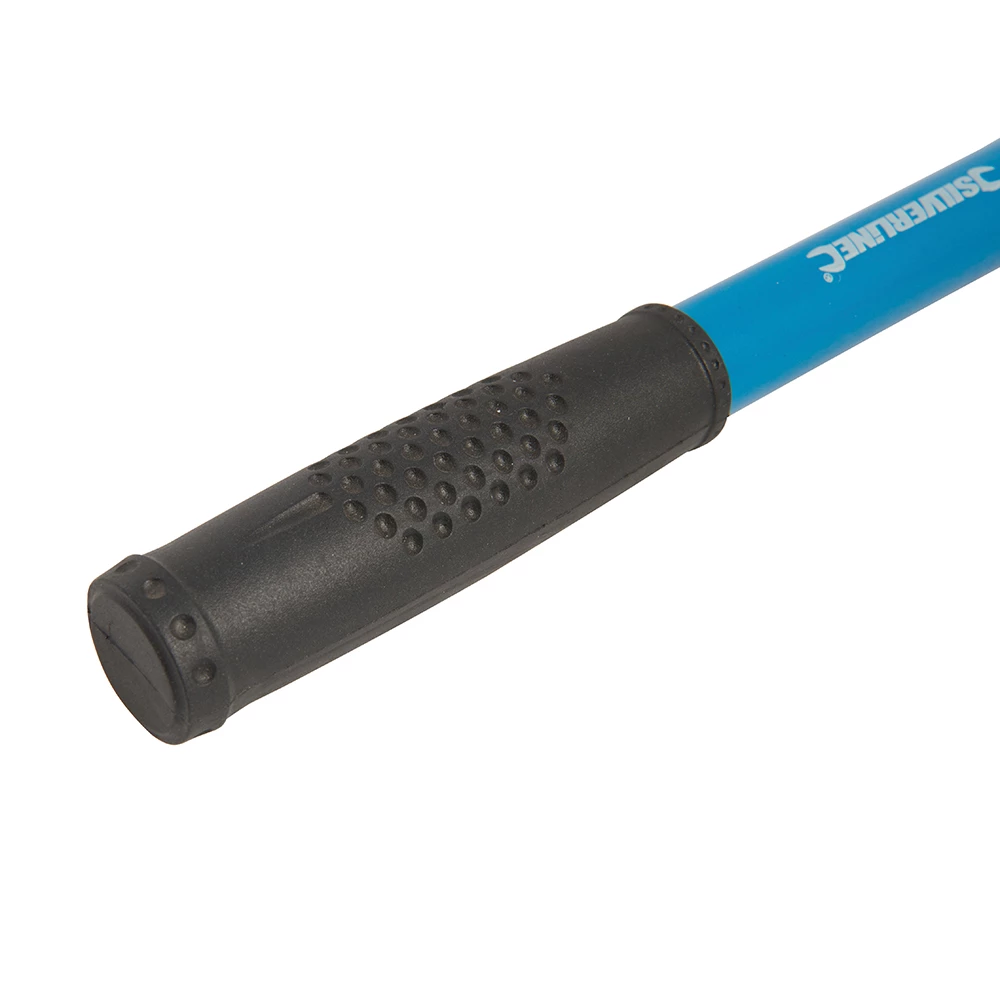
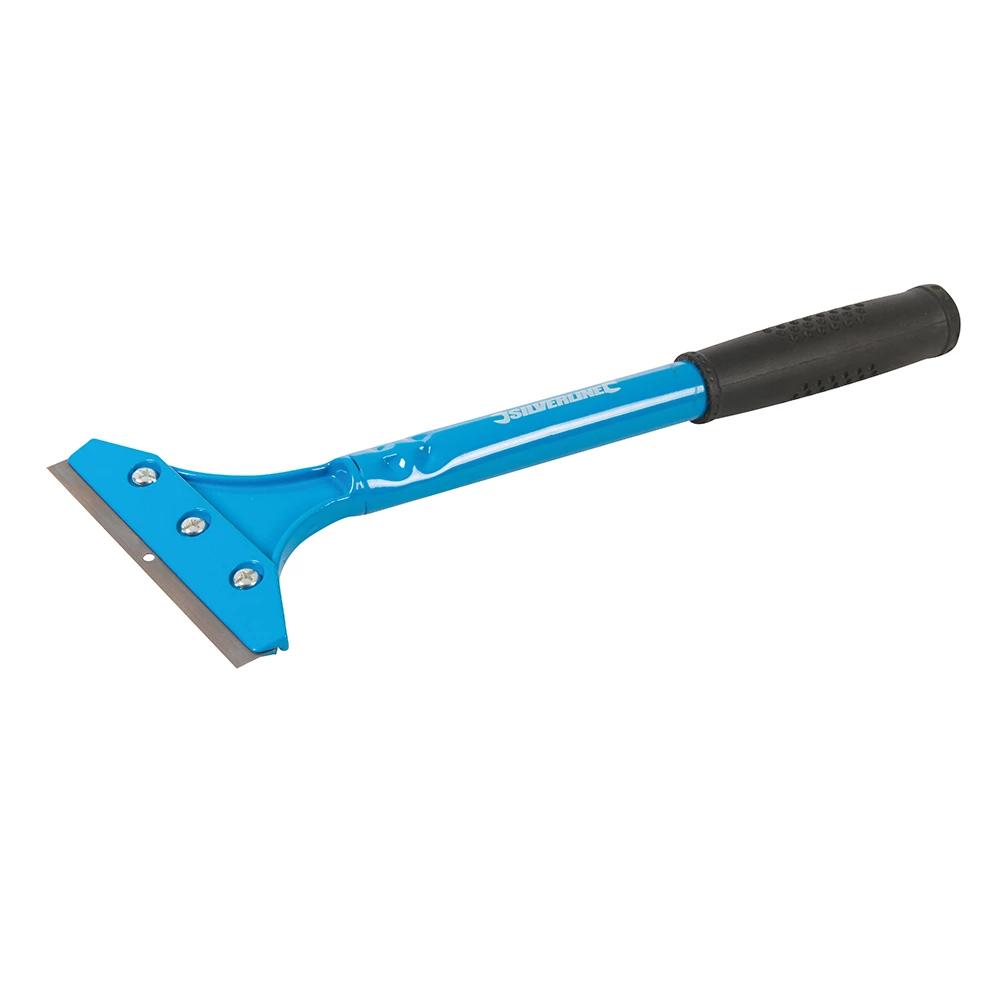
- Heavy Duty Scraper for Paint and Epoxy Resin Removal: A tool designed to aid removal of paint, tiles, and wall coverings with controlled handling.
- Lint-free cloths or paper towels
- Mild soap and warm water

Essential Cleaning Products in Action
Nitrile gloves reduce the risks of skin exposure and keep hands clean during resin work. Strong Technical Degreaser for Resin Projects – 100% Natural Formula and Pure Isopropyl Alcohol 99.9% are versatile options for breaking down resin residues on a wide range of surfaces. The Heavy Duty Scraper for Paint and Epoxy Resin Removal excels at eliminating cured resin from worktops, tools, and more.
Step 1: Wear Personal Protective Equipment
Before starting any resin project or cleaning task, safety should always come first. Use gloves whenever handling resin to prevent skin contact and make cleanup significantly easier. Nitrile gloves offer excellent protection without causing allergies for most users and provide adequate chemical resistance.
If resin does come into contact with skin, act fast and avoid letting it cure. Make sure your workspace is ventilated, and consider wearing long sleeves and a mask for added protection if working with larger quantities.
Step 2: Remove Uncured Epoxy Resin from Surfaces
Work quickly with uncured resin for the easiest removal. Begin by wiping away any excess resin using a lint-free cloth or paper towel. Avoid spreading the resin further across the surface.
To break down remaining sticky residues on hard surfaces, apply a small amount of Strong Technical Degreaser for Resin Projects – 100% Natural Formula with a clean cloth. Wipe the area using circular motions, ensuring all residue is lifted. If you’re working on glass, metals, or ceramics, isopropyl alcohol can also help dissolve and clean resin spills effectively. Always wear gloves during this process, and avoid inhaling fumes.
Step 3: Clean Epoxy Resin Off Your Skin
If resin touches your hands or skin, act as soon as possible. Never use harsh solvents on skin—these can cause irritation or injury. Start by washing the affected area with warm, soapy water, using mild soap and gentle rubbing to lift the uncured resin. Repeat the process as needed; patience pays off here.
If mild soap doesn’t fully remove the residue, apply a small amount of Strong Technical Degreaser for Resin Projects – 100% Natural Formula directly to the area, then wash again with warm water. Avoid using isopropyl alcohol directly on skin, as it can cause dryness and irritation—stick to natural, dermatologically-tested cleaners whenever possible.
Step 4: Remove Cured (Hardened) Epoxy Resin Mechanically
Cured resin is harder to remove and usually calls for mechanical action. For objects such as tools, tabletops, or moulds, gently use a Heavy Duty Scraper for Paint and Epoxy Resin Removal to chip away at the hardened material. Always work carefully to avoid scratching delicate surfaces.
After scraping, you can use a degreaser or isopropyl alcohol to remove any fine residue. Follow with a thorough rinse and wipe-down. It’s important never to use scraping tools on your skin; if cured resin is stuck to you, use warm, soapy water and consult a medical professional if irritation persists.
Step 5: Final Cleaning and Preventative Tips
Once visible resin is removed, clean surfaces and tools with water and soap for a residue-free finish. For areas that remain tacky, a follow-up with isopropyl alcohol may be beneficial. Test cleaning products on hidden areas if you’re unsure about compatibility with your materials.
To prevent future issues, always use nitrile gloves, cover work areas, and clean spills immediately. Keep cleaning agents and safety gear close at hand before starting any resin project for the best results and minimum hassle.
Best Practices for Resin Cleanup
Act swiftly with spills to avoid difficult and time-consuming cleanup later. Combined physical and chemical approaches produce the most thorough results. Always dispose of used towels, gloves, and cleaning solutions responsibly, keeping your workspace tidy and safe for future projects.
Troubleshooting and Common Mistakes
Forgetting to wear gloves or acting slowly with spills are the most common mistakes. Ventilate your workspace whenever using alcohol or chemical cleaners. Never use harsh chemicals on your skin, and avoid scraping delicate or polished surfaces with metal tools.
If a residue persists despite cleaning, try alternating between degreaser and mechanical removal with gentle pressure—the key is patience and avoiding damage to surfaces or skin.
- Strong Technical Degreaser for Resin Projects – 100% Natural FormulaOriginal price was: £10.95.£9.45Current price is: £9.45.Strong Technical Degreaser is designed for cleaning epoxy resin and grease safely on multiple surfaces with a natural, hypoallergenic formula.
- Pure Isopropyl Alcohol 99.9% – 1000ml Bottle for Epoxy Resin Projects & DIYPrice range: £10.45 through £20.95Pure Isopropyl Alcohol 99.9% in 1000ml supports cleaning and bubble removal for epoxy resin projects within the context of cleaning epoxy resin from…
- Nitrile Gloves – 50 Pairs (100 Pieces)£9.45Nitrile Gloves are designed for safe and comfortable handling during resin work, supporting protective practices under the cleaning and handling…
- Heavy Duty Scraper for Paint and Epoxy Resin Removal£8.95Heavy Duty Scraper is designed for effective removal of wall coverings and paint with a lightweight build and precise blade.
Frequently Asked Questions
What is the safest method for removing epoxy resin from skin?
Wash with warm, soapy water promptly. Use a natural degreaser if needed; never use harsh solvents or scrapers on skin.
How do you remove uncured resin from tools or worktops?
Wipe away excess resin, then apply isopropyl alcohol or a natural degreaser with a cloth, and finish with water and soap.
Is there a way to get rid of cured epoxy resin on hardened surfaces?
Use a scraper for mechanical removal, followed by a degreaser or alcohol for any sticky residue.
Can all surfaces be cleaned with alcohol or degreasers?
No, always test on a small area first to avoid damage. Some delicate surfaces may require gentler cleaning methods.
How can I avoid having resin stick to my hands and tools?
Always wear nitrile gloves, protect tools with disposable coverings, and clean up promptly after use.
Is a scraper safe for all surfaces when removing resin?
Scrapers work best on hard, flat surfaces. For delicate or soft materials, use extra caution or softer tools.
Should I use isopropyl alcohol to remove resin from my skin?
It's not recommended, as alcohol can dry and irritate skin. Stick to soap or safe natural degreasers.