 Free shipping on orders over £29,85
  Shipping Tracking!


 Google
 Facebook
How do you clean Resin Pro?
Step-by-step instructions for spotless resin project maintenance


Keeping your Resin Pro surfaces and tools clean is essential for achieving great results, extending the lifespan of your equipment, and avoiding contamination or imperfections in your projects. Whether you are a resin artist, DIY enthusiast, or simply want to maintain a flawless finish, this guide covers safe and effective methods to clean Resin Pro epoxy resin from your workspace and implements.
What You’ll Need
- Strong Technical Degreaser for Resin Projects – 100% Natural Formula – For gentle, efficient cleaning of resin surfaces and tools.
- Pure Isopropyl Alcohol 99.9% – 1000ml Bottle for Epoxy Resin Projects & DIY – Ideal for removing sticky resin residues and general surface cleaning.
- “Epoxy Polish” – Epoxy Resin Polishing System – For restoring shine and removing fine scratches.
- Coloured Microfibre Cloths – Pack of 10 Multi-Coloured Cleaning Cloths – Non-abrasive cloths for wiping and buffing surfaces.
- Disposable gloves, water, and mild soap or detergent (optional for preliminary cleaning).

Essential Cleaning Products for Resin Pro
Whether you are degreasing, removing uncured resin, or restoring glass-like shine, choose products designed for delicate resin finishes. Strong Technical Degreaser and Pure Isopropyl Alcohol 99.9% offer effective, residue-free cleaning, while Coloured Microfibre Cloths minimise risk of scratches.

Step 1: Prepare Your Workspace and Materials
Start by clearing your workspace of any unnecessary items and laying out all the cleaning materials within reach. Protect surfaces with a disposable sheet or old newspapers to catch any drips. Always allow proper ventilation when handling cleaning agents, and put on gloves to prevent direct skin contact with resin residues and cleaning chemicals.
If there are significant spills or sticky patches from uncured resin, gently remove any loose debris with a microfibre cloth to prepare for targeted cleaning.
Step 2: Remove Fresh Epoxy Residue
If the resin is still wet or tacky, act fast. Use a lint-free Coloured Microfibre Cloth dampened with warm water and a small amount of mild soap to wipe away the uncured resin. For more persistent residues, moisten the cloth with Pure Isopropyl Alcohol 99.9%, which effectively dissolves and lifts uncured epoxy from tools and surfaces.
Work in gentle, circular motions and avoid excessive force to prevent scratching or damaging the project surface. Repeat as needed until the sticky layer is no longer visible.
Step 3: Degrease and Deep Clean
For cured resin or stubborn marks, apply a small amount of the Strong Technical Degreaser for Resin Projects – 100% Natural Formula directly onto the area, then wipe with a clean microfibre cloth. This natural, solvent-free formula lifts grease, silicone, and trace residues without damaging finished pieces or your skin.
Do not use abrasive pads or harsh chemicals as these can scratch glossy resin and leave dull spots. If degreasing a large surface, work in manageable sections to ensure even results.

Step 4: Restore Gloss and Final Polish
Once the resin surface is clean and dry, you may want to restore its ultra-glossy finish, particularly if minor scratches or dullness are present. Apply a small amount of “Epoxy Polish” – Epoxy Resin Polishing System using a soft microfibre cloth or a polishing pad for best results. Buff the surface lightly in a circular motion until the desired sheen is achieved.
Buff gently for best shine and inspect from different angles to confirm all streaks and residue are removed. This step is optional but ideal for professional-quality results.

Tips and Common Mistakes to Avoid
To maintain your resin projects and tools, always clean up spills immediately and avoid letting epoxy cure on unwanted surfaces. Allow time for proper drying after cleaning, especially before using tools for your next project. Never use steel wool or scouring pads, as these may irreparably damage the finish. Replace cleaning cloths regularly and use a fresh one for each step to avoid cross-contamination that can cause streaks or haze.
Maintaining Perfect Resin Finishes
Periodic use of Epoxy Polish ensures surfaces remain lustrous and blemish-free, while routine cleaning with Strong Technical Degreaser prevents buildup of grease or dust. Make each Resin Pro project a lasting showcase by caring for your tools and workspace with the right cleaning approach.

- Strong Technical Degreaser for Resin Projects – 100% Natural FormulaOriginal price was: £10.95.£9.45Current price is: £9.45.A 100% natural degreaser designed for cleaning epoxy resin projects and multiple surfaces while being safe and gentle on skin.
- Pure Isopropyl Alcohol 99.9% – 1000ml Bottle for Epoxy Resin Projects & DIYPrice range: £10.45 through £20.95Pure Isopropyl Alcohol 99.9% is suitable for epoxy resin projects and helps remove bubbles and clean surfaces.
- "Epoxy Polish" – Epoxy Resin Polishing SystemPrice range: £18.95 through £47.45"Epoxy Polish" is a resin polishing system providing a glossy finish. Suitable for use on resin and other materials, it matches the clean theme.
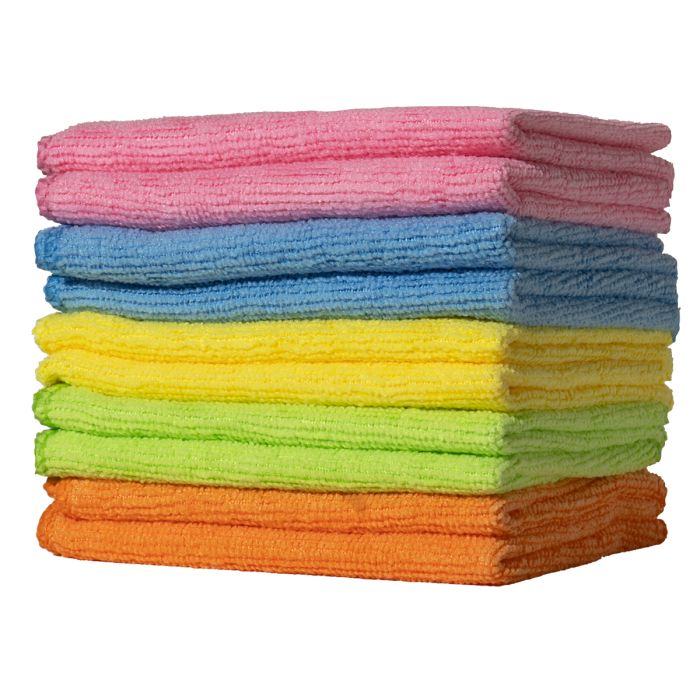 Coloured Microfibre Cloths – Pack of 10 Multi-Coloured Cleaning Cloths£4.95Coloured Microfibre Cloths are lint-free and suitable for cleaning and protecting leather and fabric, matching the cleaning theme.
Frequently Asked Questions
What is the safest way to clean uncured resin?
Wipe uncured resin with a microfibre cloth and isopropyl alcohol. Always wear gloves for safety.
How do I remove stubborn stains or cured resin from my tools?
Use the Strong Technical Degreaser on cured residues, then wipe clean with a lint-free cloth.
Should I use microfibre cloths to clean resin surfaces?
Yes, microfibre cloths are ideal as they are gentle, lint-free, and reduce scratching.
How can I restore shine to a dull resin surface?
Apply 'Epoxy Polish' with a clean cloth or pad and buff gently for a high-gloss finish.
Is it safe to use isopropyl alcohol on epoxy resin surfaces?
Yes, it is safe for removing sticky layers without harming cured resin, as long as the surface is wiped dry.
What should I avoid when cleaning Resin Pro projects?
Avoid using abrasive pads, harsh chemicals, or steel wool, as these cause scratches and dullness.