 Free shipping on orders over £29,85
  Shipping Tracking!


 Google
 Facebook
How do you clean tools of epoxy resin?
Keep resin brushes, sticks, and containers residue-free


Cleaning tools after working with epoxy resin is crucial to maintain their condition and ensure professional results in future projects. In this guide, you will learn effective ways to remove leftover resin from brushes, mixing sticks, and containers—helping you to preserve your tools and avoid unwanted contamination.
What You’ll Need
- Pure Isopropyl Alcohol 99.9% – 1000ml Bottle for Epoxy Resin Projects & DIY
- Strong Technical Degreaser for Resin Projects – 100% Natural Formula
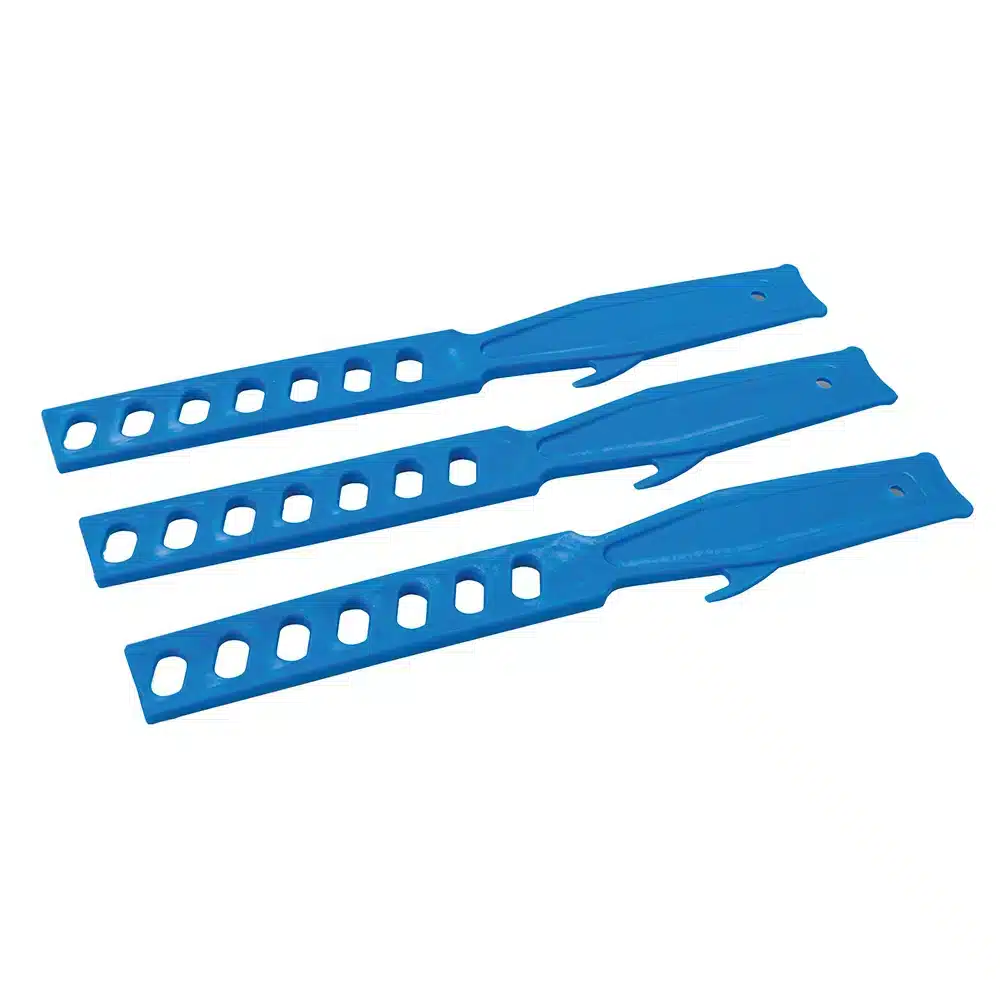
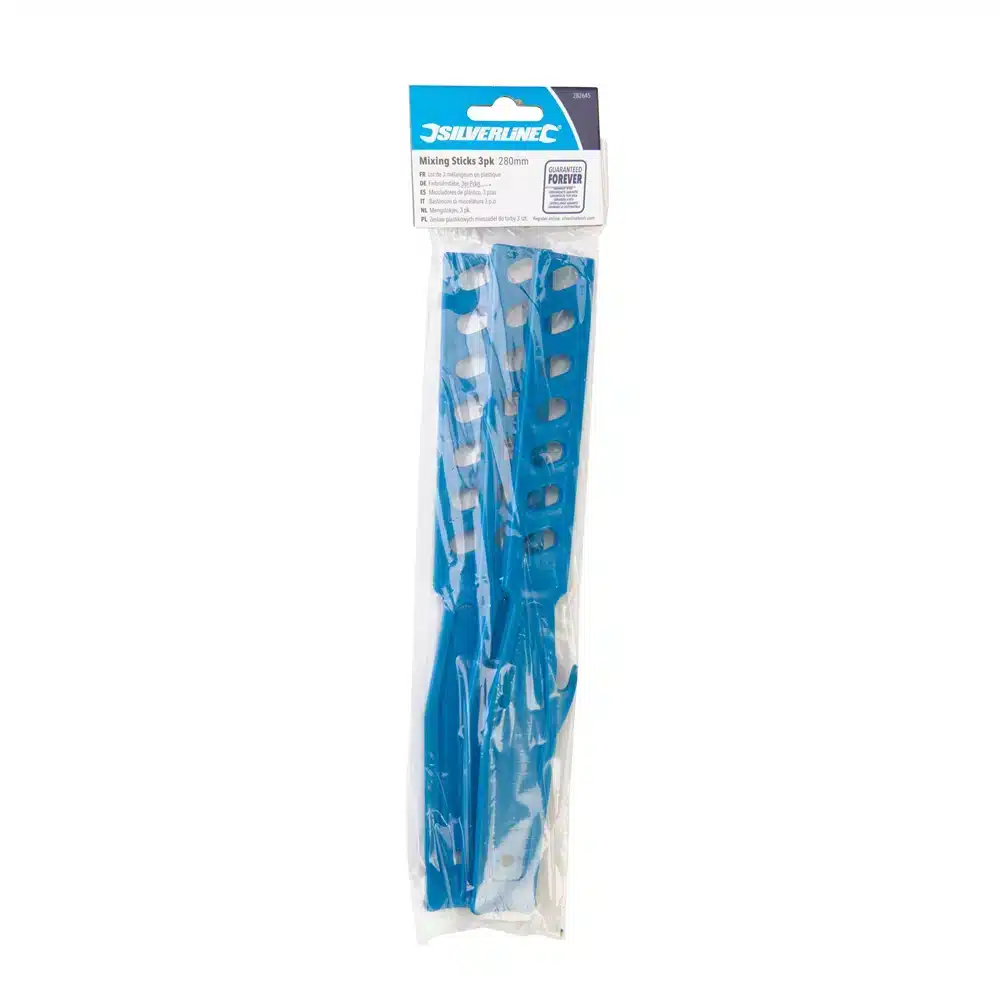
- Mixing Sticks for Epoxy Resin – Perfect for Blending – 3Pcs Pack
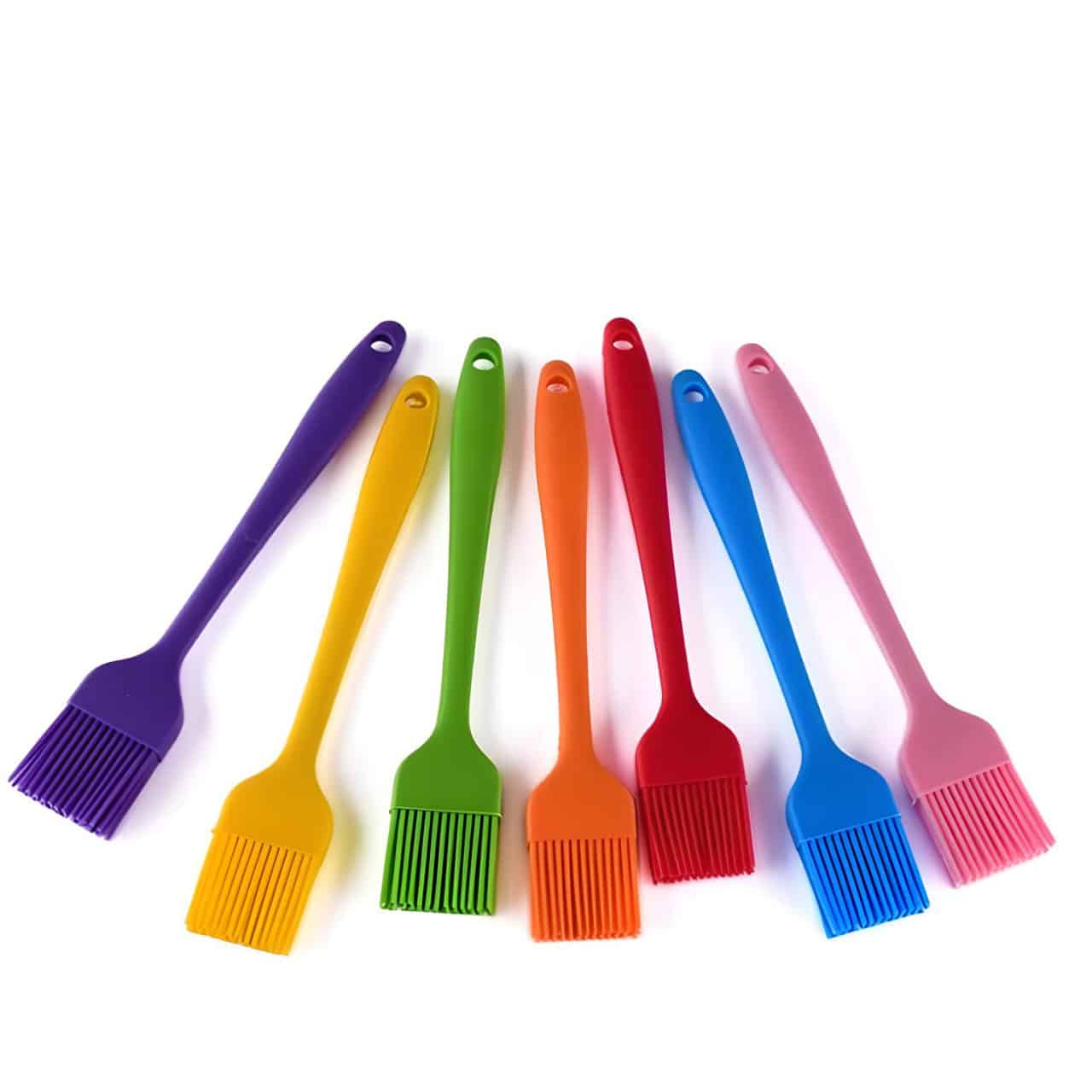
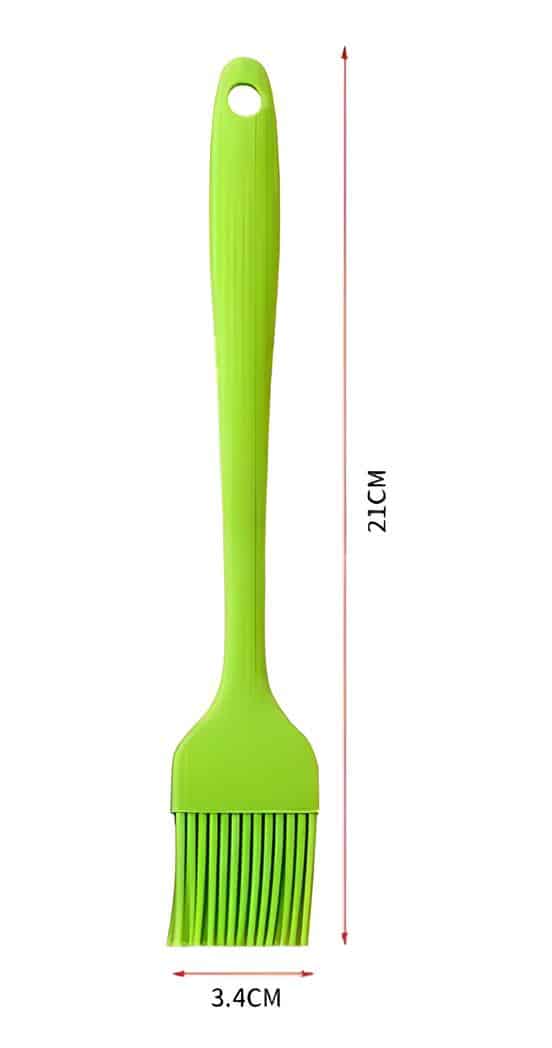
- Reusable Silicone Resin Brush for Epoxy Art and Wood Applications
- Gloves and disposable towels
- Warm soapy water
- Waste container for resin residues
Quick Demo: Cleaning Brushes After Epoxy Use
See how to remove sticky resin from your silicone brush using isopropyl alcohol and warm soapy water for spotless results, so your tools are ready for your next project.
Step 1: Remove Excess Epoxy Immediately
Remove as much uncured resin as possible before cleaning. When you finish working with epoxy resin, scrape off or wipe any remaining material on your tools before it starts to cure. This step saves washing effort and minimises waste. Use a spatula or disposable towel to gather the bulk of the resin for proper disposal. If you wait too long, the resin will harden, making cleaning much more difficult.
Step 2: Wipe and Rinse With Solvents
Clean tools immediately after use for best results. For sticky or tacky residues, soak your brushes, mixing sticks, or containers in isopropyl alcohol. Pure Isopropyl Alcohol 99.9% is highly effective at loosening uncured resin, allowing you to easily wipe or rinse tools clean. Swirl small tools like sticks in a cup of alcohol and let brushes soak for a few minutes. Afterwards, rinse them under running water.
For non-porous tools or surfaces with greasy or stubborn residue, a natural degreaser is useful. Strong Technical Degreaser for Resin Projects lifts persistent marks, adhesive traces, and oily spots from metal, plastic, or silicone tools. Apply the degreaser according to the product instructions, then wipe the surface clean with a damp cloth.
Step 3: Clean and Dry Reusable Tools
For tools designed to be used again, such as silicone brushes or polypropylene mixing sticks, warm soapy water works well once most resin residue has been removed. Submerge and swirl tools in water, using your fingers or another clean stick to agitate the bristles or paddles. Rinse thoroughly to remove soap and traces of the cleaning solution, then let your tools air dry fully before storing.
The Reusable Silicone Resin Brush for Epoxy Art and Wood Applications is especially easy to clean—just rinse with soapy water and recharge it for your next project.
Step 4: Handle Cured Resin Residues
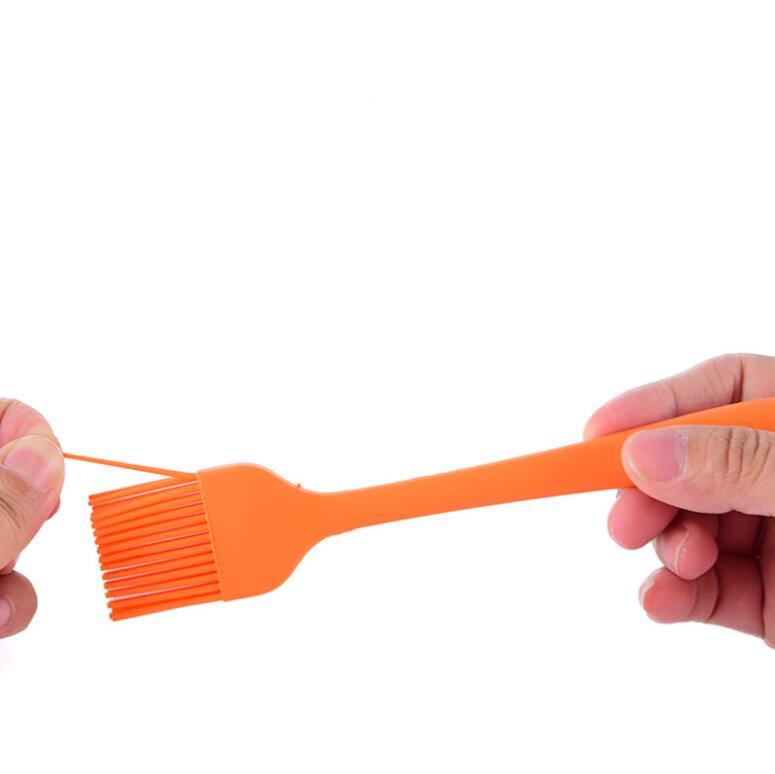
Sometimes, some epoxy sets before you have a chance to clean it. In this case, gently peel, chip, or flick away hardened resin from tools made of flexible materials such as silicone. Avoid using sharp objects on delicate or coated surfaces. Repeated use of isopropyl alcohol or degreaser may help release tougher cured patches, but always test on a small area. Prevention is the best cure—clean promptly while the resin is still workable.
Tips and Common Mistakes When Cleaning Resin Tools
Wear gloves and work in a well-ventilated area to avoid skin irritation from uncured resin or cleaning solutions. Never pour waste resin or solvent directly into sinks—collect residues in a suitable container for proper disposal. Avoid using harsh abrasives on sensitive tools, as you may reduce their lifespan.
Let brushes and sticks dry completely before reuse to prevent contamination of future resin mixes. If tools remain sticky after cleaning, repeat the process with fresh solvent. Remember: some residues may be permanent if not removed promptly.
Before and After: Tools Cleaned the Right Way
Notice the difference between prompt cleaning and waiting too long. Keeping your mixing sticks and resin brushes clean ensures a longer lifespan and more consistent resin results every time.
- Pure Isopropyl Alcohol 99.9% – 1000ml Bottle for Epoxy Resin Projects & DIYPrice range: £10.45 through £20.95Pure Isopropyl Alcohol 99.9% is provided in a 1000ml bottle, suitable for epoxy resin projects to remove bubbles and aid creative effects.
- Strong Technical Degreaser for Resin Projects – 100% Natural FormulaOriginal price was: £10.95.£9.45Current price is: £9.45.Strong Technical Degreaser is a natural, gentle cleaner suitable for various surfaces involved in epoxy resin projects.
- Mixing Sticks for Epoxy Resin – Perfect for Blending – 3Pcs Pack£4.95Mixing sticks designed for blending epoxy resins with a reusable and easy-to-clean construction, suitable for precise mixing.
- Reusable Silicone Resin Brush for Epoxy Art and Wood Applications£3.62The Reusable Silicone Resin Brush supports clean application and is easy to rinse, suitable for art and wood projects.
Frequently Asked Questions
What is the best way to clean resin brushes after use?
Use isopropyl alcohol to remove uncured resin, then wash brushes with warm soapy water and let them dry fully before storing.
Can cured epoxy resin be removed from tools?
Hardened resin can sometimes be peeled or chipped away from flexible tools but may remain on others. Clean promptly for best results.
Is it safe to use natural degreasers on resin tools?
Yes, natural degreasers are suitable for most tool surfaces and provide a skin-friendly cleaning option for repeated use.
How should resin cleaning waste be disposed of?
Collect resin residues and solvent waste in a dedicated container and follow local disposal guidance. Do not pour down sinks.
Why do tools stay sticky after cleaning with alcohol?
Sticky residue may be due to partially cured resin. Repeat cleaning with fresh solvent and dry tools thoroughly before reuse.
Can mixing sticks be reused for epoxy resin?
Yes, as long as you clean them immediately after use to remove all resin residue. Polypropylene sticks are especially easy to clean.
Do I need gloves to clean epoxy tools?
Wearing gloves protects your skin from irritation caused by uncured resin and cleaning liquids. Always use gloves as a precaution.