 Free shipping on orders over £29,85
  Shipping Tracking!


 Google
 Facebook
How do you cover a resin wardrobe?
Step-by-step instructions for beautiful, resilient finishes


Covering a wardrobe in resin is a practical way to revitalise furniture, enhance durability, and achieve a stunning, high-gloss finish. Whether you aim to waterproof wood, create a modern look, or protect your surfaces from daily wear, applying resin to your wardrobe can transform its appearance and prolong its lifespan.
What You’ll Need
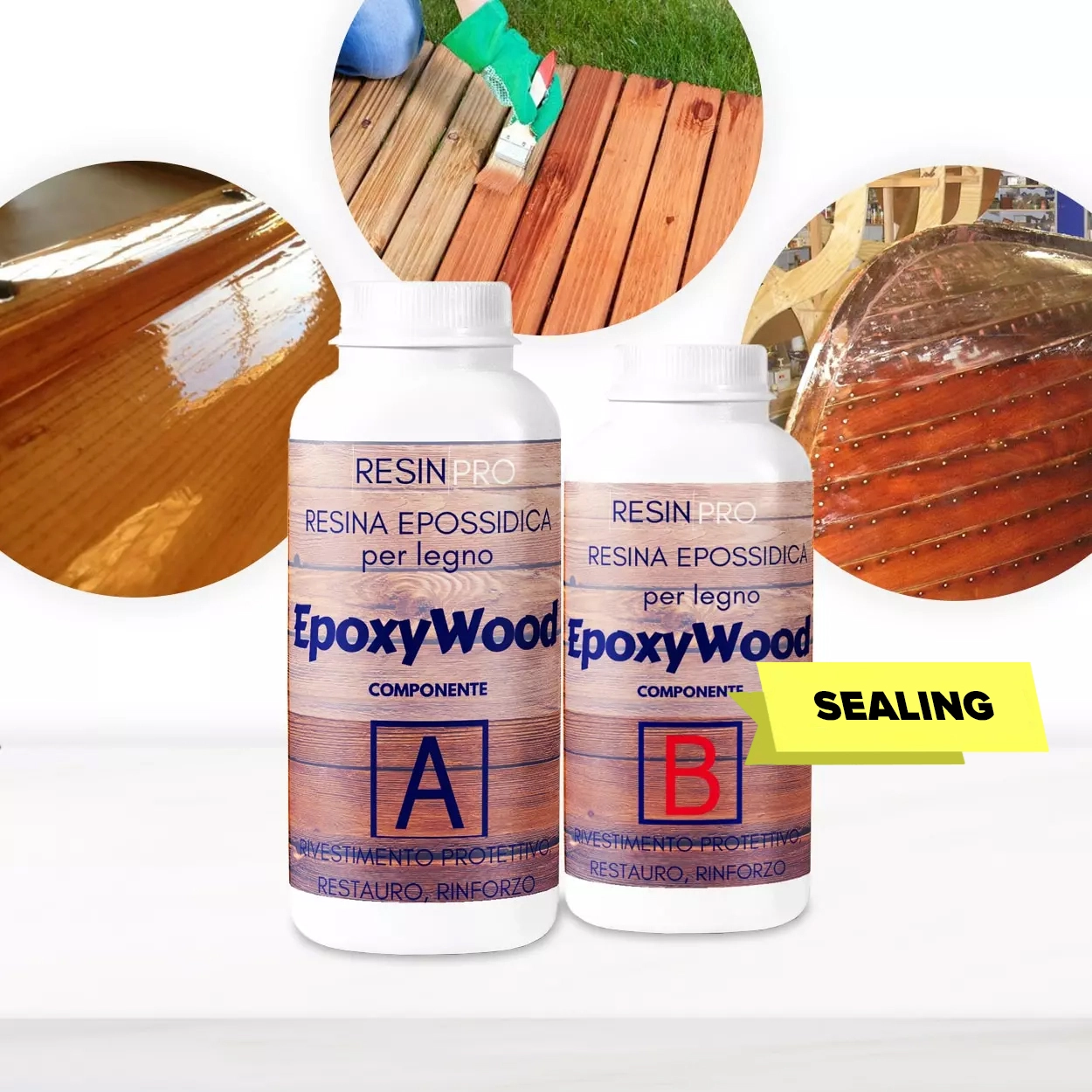
- “EpoxyWood” – Wood Restoration Epoxy Resin for Deep Penetration and Waterproofing – ideal for sealing, stabilising and waterproofing wood.
- “Art Pro” – Clear Epoxy Resin for Artists and Surface Coating – suited for the main finishing or decorative surface coating layer.
- Sanding paper (grits 120–240)
- Masking tape and dust sheets
- Clean cloths
- Mixing containers and stirrers
- Brushes or rollers (for vertical application)
- Personal protective equipment (gloves, mask, goggles)
Preparing for Resin Application
Proper preparation is vital to a successful resin wardrobe project. Take time to remove all dust, protect non-coated elements, and gather each tool before starting to ensure the smoothest possible workflow and the highest quality finish.

Step 1: Prepare and Clean the Wardrobe
Begin by removing any hardware or handles from your wardrobe to ensure a flat, accessible surface. Place dust sheets around your work area to catch drips, and use masking tape to protect areas you do not wish to coat. Sand the entire wardrobe surface with medium to fine sanding paper (120–240 grit), working with the grain. This allows the resin to bond better and creates a smooth, even foundation.
After sanding, remove all dust with a vacuum or damp cloth. Let the surface dry completely, as any moisture can hinder adhesion and cause defects in the final finish. Ensure surfaces are completely clean and thoroughly sanded.
Step 2: Seal Wooden Surfaces
If your wardrobe is made of bare or porous wood, sealing it before applying the finishing resin is essential. A deep-penetrating sealant soaks into wood, increasing stability and preventing air bubbles during later coats. For this, you can use “EpoxyWood” – Wood Restoration Epoxy Resin for Deep Penetration and Waterproofing to create a waterproof barrier and reinforce the structure.
Mix the resin according to the package instructions. With a brush, work the primer resin into the wood, ensuring all surfaces are covered evenly. Allow this layer to cure fully before progressing. Protect the area and yourself during this stage – Always wear appropriate PPE including gloves and a mask.
Step 3: Apply the Surface Epoxy Resin Layer
Once your wardrobe is sealed, you are ready to apply the decorative and protective finishing layer. Choose a self-levelling, high-clarity resin such as “Art Pro” – Clear Epoxy Resin for Artists and Surface Coating for a durable, glass-like finish. If you require extra control, especially on vertical panels, a high-viscosity formula can help minimise drips.
Mix the surface resin accurately (pay attention to the specified ratio) and pour or spread it over the wardrobe using a brush or roller. Work in sections, using even strokes to maintain consistent coverage. Pour in thin layers to avoid runs and ensure air can escape. Pour resin in controlled temperatures between 18–24°C for best results. Inspect for bubbles, removing them gently with a heat gun or torch as recommended by the resin’s guidelines.

Step 4: Curing and Finishing Touches
After application, allow the resin to cure undisturbed in a dust-free environment. Follow curing times as indicated by the product, usually between 12 to 24 hours for most epoxies. Avoid moving or using the wardrobe until the coating is fully cured and hard.
Once cured, inspect the surface. If you notice imperfections, lightly sand and consider applying a second thin layer for optimal gloss and protection. Replace any hardware and clean up your workspace. Allow full curing times before moving or using the wardrobe.
Tips, Common Mistakes and Troubleshooting
Work in a well-ventilated room but avoid draughts, which can introduce dust. Do not rush preparation; neglecting to sand or clean properly is the most common cause of poor adhesion. Temperature matters: resin cured too cold may remain tacky, while excess heat can cause bubbles or quick setting.
If you find bubbles in the surface, gently waft a heat gun over the resin soon after application. Thin layers are key – avoid trying to build thickness in one pour. Should you spill or make an error, wait for the resin to harden, then sand back and reapply. Always check compatibility if working over existing painted finishes.
Finishing and Aftercare
Once your wardrobe’s epoxy coating has cured, clean it only with soft cloths and avoid harsh abrasives. For ongoing protection, keep the furniture out of direct sunlight and away from heat sources to preserve the clarity and gloss for years to come.
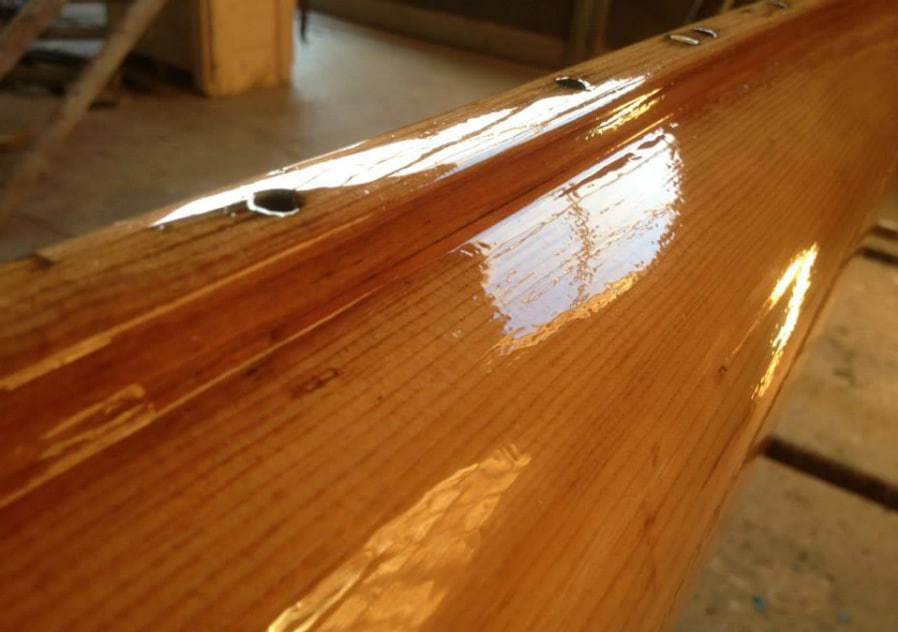
- "EpoxyWood" – Wood Restoration Epoxy Resin for Deep Penetration and WaterproofingPrice range: £27.95 through £41.95"EpoxyWood" is suitable for repairing and waterproofing wooden surfaces with an ultra-low viscosity formula that penetrates deep into wood pores.
- "Trasparente" – Multipurpose Clear Epoxy Resin for Casting – Up to 2cmPrice range: £8.95 through £397.95"Trasparente" is an ultra-clear multipurpose epoxy resin offering a glossy, self-levelling finish up to 2 cm thick, suitable for detailed castings…
- "Art Pro" – Clear Epoxy Resin for Artists and Surface CoatingPrice range: £19.95 through £267.95Art Pro clear epoxy resin is designed for artists and crafters, providing a non-toxic, durable, and clear finish suitable for surface coatings and…
 "Art Pro Deluxe" – Ultra-High Viscosity Epoxy Resin for ArtistsPrice range: £35.95 through £302.45"Art Pro Deluxe" offers ultra-high viscosity resin designed for precise resin art control. Suitable for accurate line work and clear,…
Frequently Asked Questions
What is the safest epoxy resin to use for a wardrobe finish?
Choose a non-toxic, solvent-free epoxy designed for interior use to ensure safety for both application and daily use on furniture.
How durable is a resin-coated wardrobe?
A proper epoxy finish forms a strong, scratch-resistant layer that can withstand daily use and provide long-lasting protection.
Can I apply resin over painted furniture?
Resin can be used over painted surfaces if the paint is fully cured, well-adhered, and lightly sanded to ensure proper bonding.
How can I prevent bubbles when covering a wardrobe with resin?
Seal porous wood first and use a heat gun after pouring the resin to quickly release bubbles from the freshly applied surface.
Why do I need to seal wood before applying epoxy resin?
Sealing porous wood prevents air bubbles and helps the finishing resin layer bond smoothly, ensuring a flawless, long-lasting result.
How long does resin take to cure on a wardrobe?
Most epoxy resins cure within 12 to 24 hours, but always check the manufacturer's guide for specific timings and ideal conditions.
Can I brush or roll resin instead of pouring?
Yes, high-viscosity resins can be brushed or rolled on vertical surfaces for controlled, even coats without excessive drips.