 Free shipping on orders over £29,85
  Shipping Tracking!


 Google
 Facebook
How do you dispose of epoxy resin?
Best practices for resin disposal to protect health and environment

Whether you’re an experienced resin artist or a DIY enthusiast, knowing how to dispose of epoxy resin properly is crucial. The right approach protects the environment, preserves your workspace, and ensures your safety. This comprehensive guide covers the essential steps for disposing of both cured and uncured epoxy resin, so you can handle your materials responsibly and lawfully.
What You’ll Need
- Disposable gloves and safety goggles
- Absorbent material (e.g., paper towels, sawdust)
- Seal-able container or sturdy plastic bag
- Access to local hazardous waste facilities
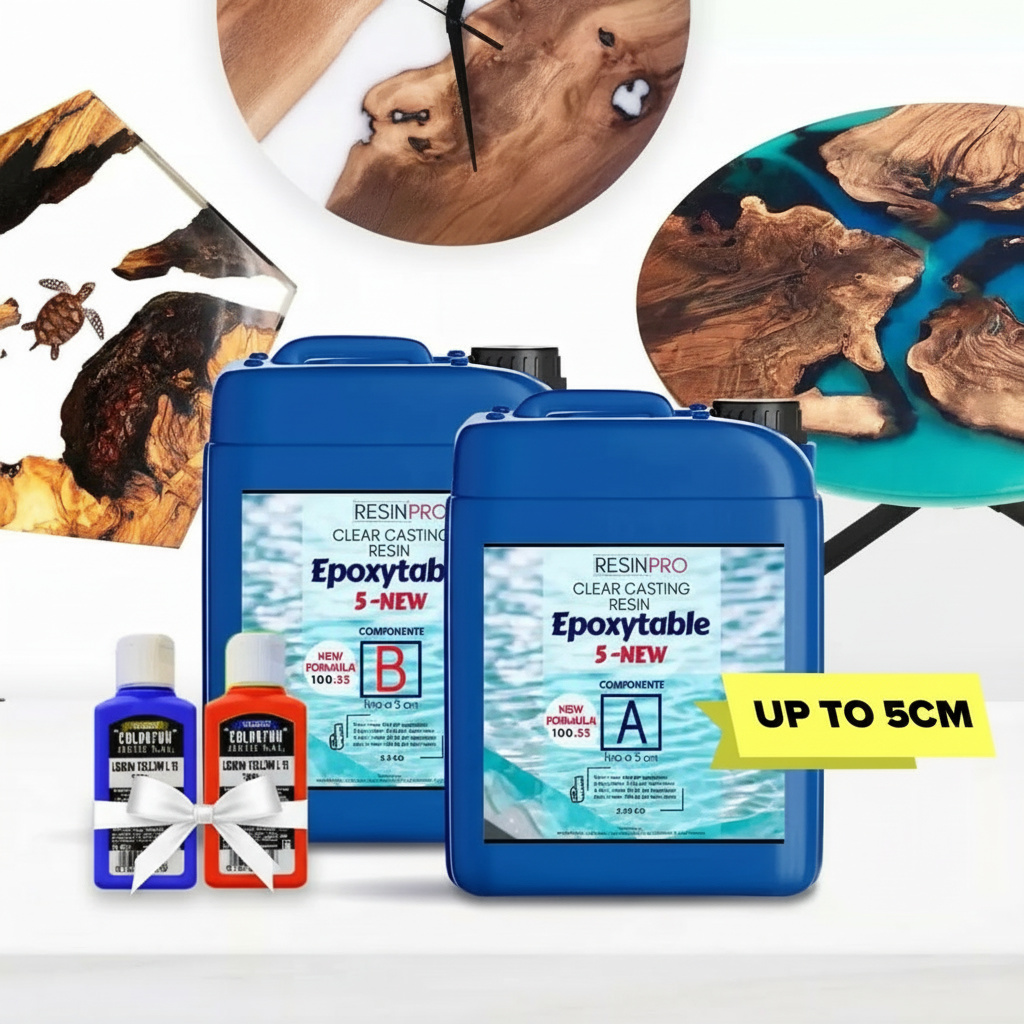
- Optional: “EpoxyTable 5-Five” – Deep Pour Epoxy Resin for Tables and Large Projects – Up to 5cm (if you have excess product to manage)
- Optional: “EpoxyWood” – Wood Restoration Epoxy Resin for Deep Penetration and Waterproofing

Safe Handling of Resin in Your Workshop
Always work in a well-ventilated area to avoid inhaling fumes. Keep uncured resin away from heat and moisture, and store containers upright to prevent leaks. Clean up spills immediately with absorbent material and dispose of soiled cloths or paper towels in a sealed plastic bag.
Step 1: Minimise Resin Waste from the Start
Preparation is the first and most important step toward reducing epoxy resin waste. Accurately measure only the amount of resin and hardener you need for your project, following manufacturer guidance. By mixing precise ratios, you significantly limit the amount of leftover or surplus material that would require disposal.
Always aim to minimise waste by measuring epoxy resin accurately before mixing. Plan your projects ahead and consider creating small sample pieces if you have leftover resin.


Step 2: Handling and Storing Uncured Resin Safely
Uncured (liquid or semi-cured) epoxy resins are considered hazardous chemical waste. Store any unused portions in their original, tightly sealed containers, and keep them out of reach of children and pets. Never pour excess uncured resin or hardener down household sinks, toilets or drains, as this contaminates water sources and may harm plumbing.
Never pour uncured or liquid resin down the sink, toilet, or drains. Instead, use absorbent material like paper towels or sawdust to clean small spills, dispose of these in a sealed bag, and check with your local waste authority for proper chemical waste collection points.
Step 3: Dispose of Cured Epoxy Resin Responsibly
Once epoxy resin is fully cured, it is considered inert and non-hazardous by most waste disposal guidelines. Small cured offcuts, tools with hardened resin, or leftover set pieces can generally be disposed of with regular household waste. However, check local council regulations to confirm if any specific rules apply.
Cured epoxy resin can be disposed of with normal household waste in most regions. Do not attempt to burn or melt cured resin, as this releases toxic fumes. Recycle or repurpose cured resin scraps where possible to further reduce waste.

Step 4: Personal Safety and Regulatory Compliance
Protect yourself whenever handling epoxy resin, especially in its liquid or semi-cured form. Wear disposable gloves and avoid direct skin contact at all times. Use safety goggles and work in a well-ventilated area. If large quantities of unused resin must be disposed of, contact your local hazardous waste facility for detailed instructions.
Wear gloves and avoid direct skin contact when handling uncured resin. Carefully follow local regulations for chemical waste disposal. Many areas have collection programmes or drop-off points for such materials.
Tips and Common Mistakes When Disposing of Epoxy Resin
Avoid mixing more resin than needed—most accidental waste comes from overestimating quantities. Always allow leftover mixtures to cure fully before disposal, and never flush resin remnants or contaminated water into drains. If using products like EpoxyTable 5-Five or EpoxyWood, review each product’s safety data sheet for any specific guidance relevant to your region. When in doubt, seek advice from your local authority’s waste services.

How Responsible Resin Disposal Helps the Environment
Responsible resin disposal prevents waterways and landfill contamination. By letting resin cure fully before discarding, and using official chemical waste channels for liquids, you help keep your community and wildlife safe. When possible, use or donate leftover resin for creative projects to minimise waste even further.
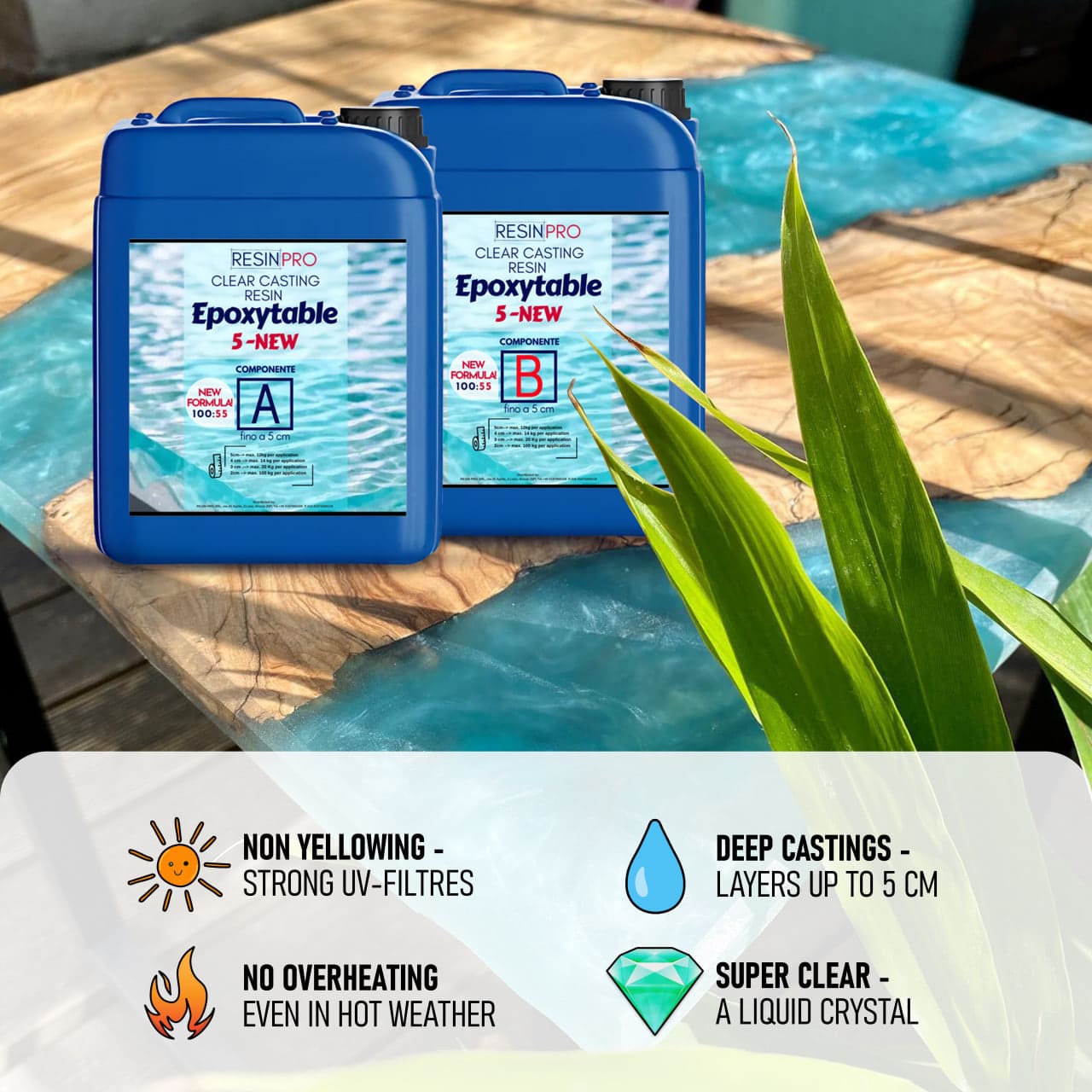
- "EpoxyTable 5-Five" – Deep Pour Epoxy Resin for Tables and Large Projects – Up to 5cmPrice range: £17.95 through £1,154.95"EpoxyTable 5-Five" is designed for deep pouring projects such as tables and large items, offering a bubble-free finish with UV resistance.
- “Epoxytable 10-Ten” – Deep Pour Epoxy Resin for Tables, Up to 10cm CastingPrice range: £35.95 through £351.95“Epoxytable 10-Ten” is an epoxy resin designed for casting tables and artistic projects with pouring depths up to 10cm.
 "ICreation" – Fast Epoxy Resin, 6h Demoulding, Transparent Gloss FinishPrice range: £15.95 through £55.95Fast epoxy resin offering a quick 6-hour demoulding time and crystal-clear glossy finish for craft and jewellery projects.
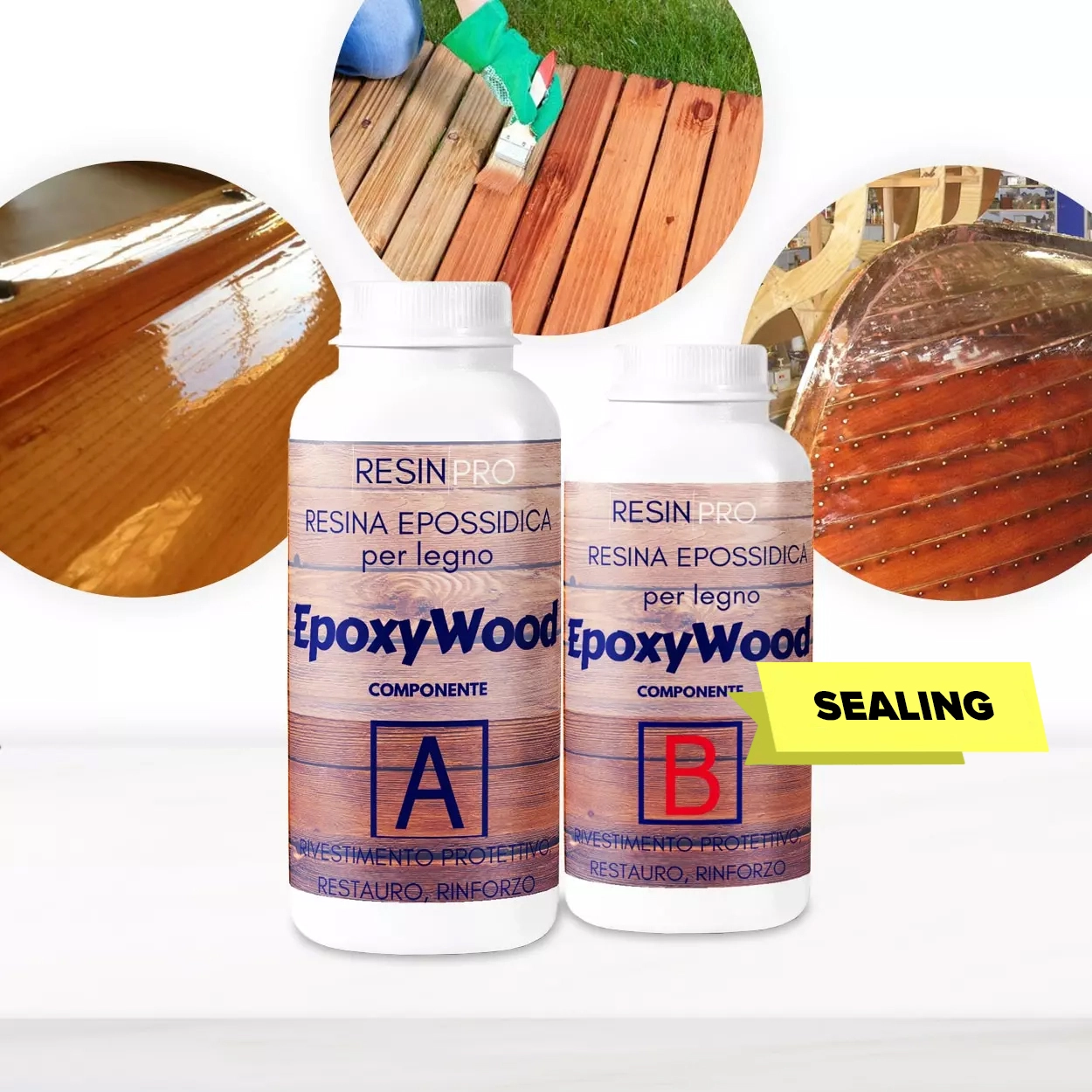 "EpoxyWood" – Wood Restoration Epoxy Resin for Deep Penetration and WaterproofingPrice range: £27.95 through £41.95"EpoxyWood" is a wood restoration epoxy resin with ultra-low viscosity, designed to deeply penetrate and waterproof wood, suitable for repair and…
Frequently Asked Questions
Can you pour epoxy resin down the drain?
No. Liquid or uncured epoxy resin must never be disposed of down any drain, as it is hazardous to both plumbing and the environment.
How should I dispose of cured epoxy resin pieces?
Cured resin can typically be disposed of with your household waste, as it is considered non-hazardous once fully set.
Is epoxy resin harmful to the environment if not disposed of properly?
Yes. If uncured resin enters drains or soil, it can contaminate water sources and harm wildlife. Follow safe disposal practices.
What should I do with leftover unmixed resin?
Keep unused resin sealed in its container and contact your local hazardous waste facility for disposal instructions.
What is the best way to clean tools after using epoxy resin?
Wipe off excess resin with paper towels before it cures, and use a suitable solvent like isopropanol for cleaning while still wet.
Can I dispose of resin mixed with pigments the same way?
Yes, but allow it to cure fully first before disposal in household waste. Pigments don't alter standard cured resin disposal methods.