 Free shipping on orders over £29,85
  Shipping Tracking!


 Google
 Facebook
How do you dispose of resin on scal?
Practical guide for removing and disposing of resin residues

Working with resin can be rewarding, but accidental spills or residual droplets left on your worktop can create stubborn messes if not handled correctly. This guide helps hobbyists and professionals alike remove and dispose of resin safely from a work surface, protecting both the working environment and those using it.
What You’ll Need
- Strong Technical Degreaser for Resin Projects – 100% Natural Formula — A natural cleaner for removing grease and resin residues.
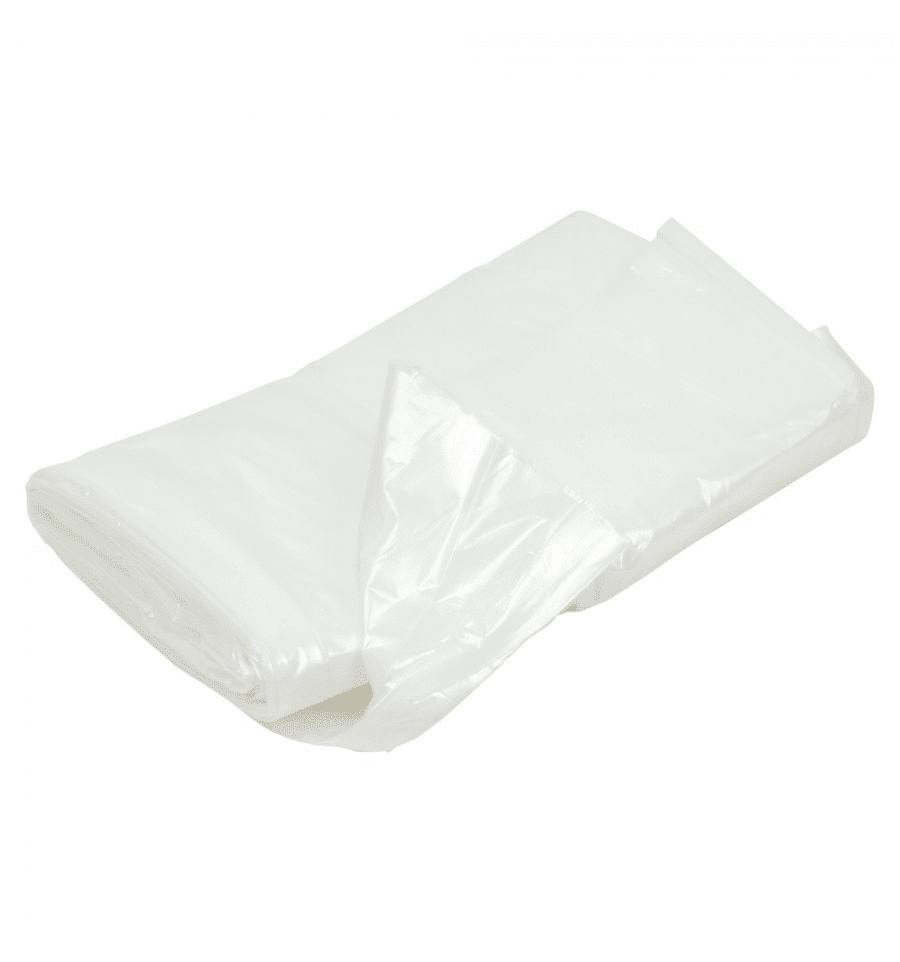
- Protective Sheet Film for Resin Projects, 4x4m Surface Cover — To shield worktops from spills and assist with clean-up.
- Protective gloves and safety goggles
- A plastic scraper or spatula (non-abrasive)
- Disposable wipes or absorbent paper towels
- Seal-able bag or container for resin waste
Step 1: Cover the Area with Protective Film
Before starting any resin project, it is wise to lay down a barrier to protect your worktop. This makes any eventual clean-up significantly easier. Cover the whole workspace with a suitable protective film, ensuring that the corners are secured and seams overlap. This layer prevents resin from bonding directly to your surface and allows for simple disposal after your project is complete.
If you have not already covered your surface, do so before working on the resin. The Protective Sheet Film for Resin Projects, 4x4m Surface Cover offers a lightweight and leak-proof solution that is both reusable and recyclable, maximising protection and minimising waste.
Step 2: Remove Cured Resin Carefully
Should any resin have spilled or dripped onto the worktop, wait for it to fully cure before attempting removal. Cured resin is easier to handle and less hazardous than sticky, uncured material. Once cured, use a non-abrasive tool such as a plastic scraper or spatula to gently lift the resin from the surface. Take care not to scratch or damage the underlying material.
Collect all removed resin pieces and place them immediately into a seal-able bag or appropriate container, ready for disposal as non-hazardous waste in accordance with your local regulations.
Step 3: Clean Residues with an Appropriate Cleaner
After the bulk of the resin is cleared away, some residue may remain. For sticky or greasy traces, use a suitable degreasing agent designed for resin projects. Apply a small amount to a disposable cloth or paper towel and gently wipe the area until clean. Ensure good ventilation during this process and wear gloves to protect your skin.
The Strong Technical Degreaser for Resin Projects – 100% Natural Formula is ideal for gently lifting stubborn residues without harming your worktop or your hands. Its plant-based formula is effective and dermatologically tested.
Step 4: Dispose of Materials Responsibly
All resin-contaminated materials, including used protective film, wipes, and gloves, should be placed in a seal-able bag or waste container. Do not wash resin residues directly down the sink, as this can lead to drain blockages or environmental harm. Check local regulations for the correct disposal method of solidified resin waste, as many councils allow cured (fully hardened) resin to be disposed of with regular household or industrial waste.
Tips and Common Mistakes with Resin Disposal
Plan your workspace carefully before starting any project — pre-empting spills makes clean-up much easier. Never try to rinse liquid resin down the drain, as it can solidify inside pipes. Remember, cured resin is generally safer to handle and dispose of, whereas wet resin remains hazardous. If you have accidental contact with skin, use a natural degreaser and wash thoroughly with soap and water.
- Strong Technical Degreaser for Resin Projects – 100% Natural FormulaOriginal price was: £10.95.£9.45Current price is: £9.45.Strong Technical Degreaser is designed for resin projects and multi-surface cleaning with a 100% natural formula that is gentle on skin.
- Protective Sheet Film for Resin Projects, 4x4m Surface Cover£3.00A lightweight, leak-proof protective sheet film suitable for covering surfaces during resin and DIY projects.
Frequently Asked Questions
Can resin be thrown in the bin or recycled?
Cured resin can typically be disposed of in the regular bin, but it cannot be recycled. Always check local regulations.
How can I clean resin off my worktop safely?
Wait until the resin has cured, then gently scrape it off and use a natural degreaser for any remaining residues.
Is liquid resin hazardous to dispose of?
Yes, liquid resin is considered hazardous. Never pour it down the drain. Allow it to cure before disposal.
What protective material is best for resin projects?
Leak-proof sheet film provides effective protection for worktops and makes clean-up much easier.
Can a natural degreaser remove resin stains?
Natural degreasers can effectively remove resin residues without damaging surfaces or irritating the skin.
Do you need gloves for resin cleanup?
Wearing gloves is essential to protect your hands from sticky, uncured resin and to avoid skin irritation.