 Free shipping on orders over £29,85
  Shipping Tracking!


 Google
 Facebook
How do you embed objects in resin?
Guide for bubble-free encapsulation with professional resin finishes
Embedding objects in resin unlocks endless creative potential, from preserving natural treasures to crafting stunning art and furniture pieces. This guide explains how to achieve bubble-free, crystal-clear encapsulation—ideal for artists, crafters, and woodworking enthusiasts who want museum-quality results at home.
What You’ll Need
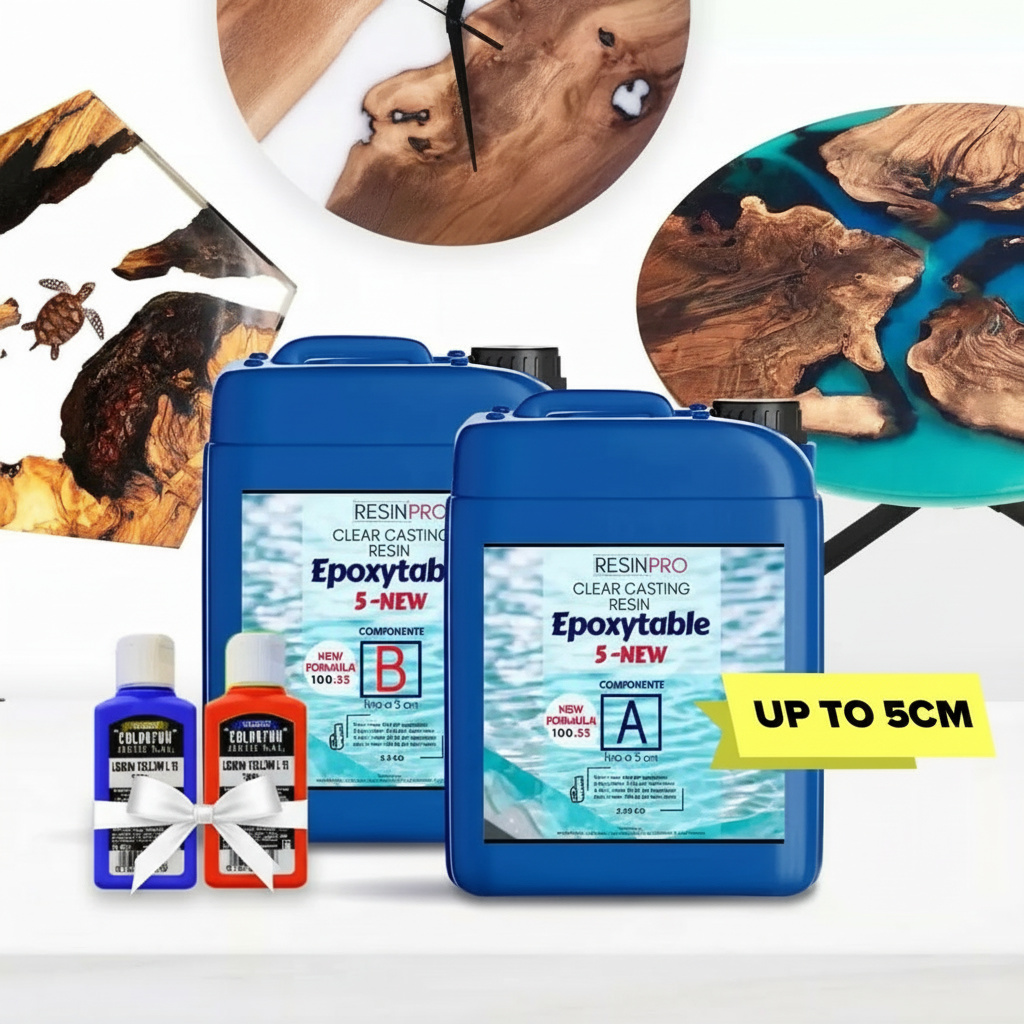
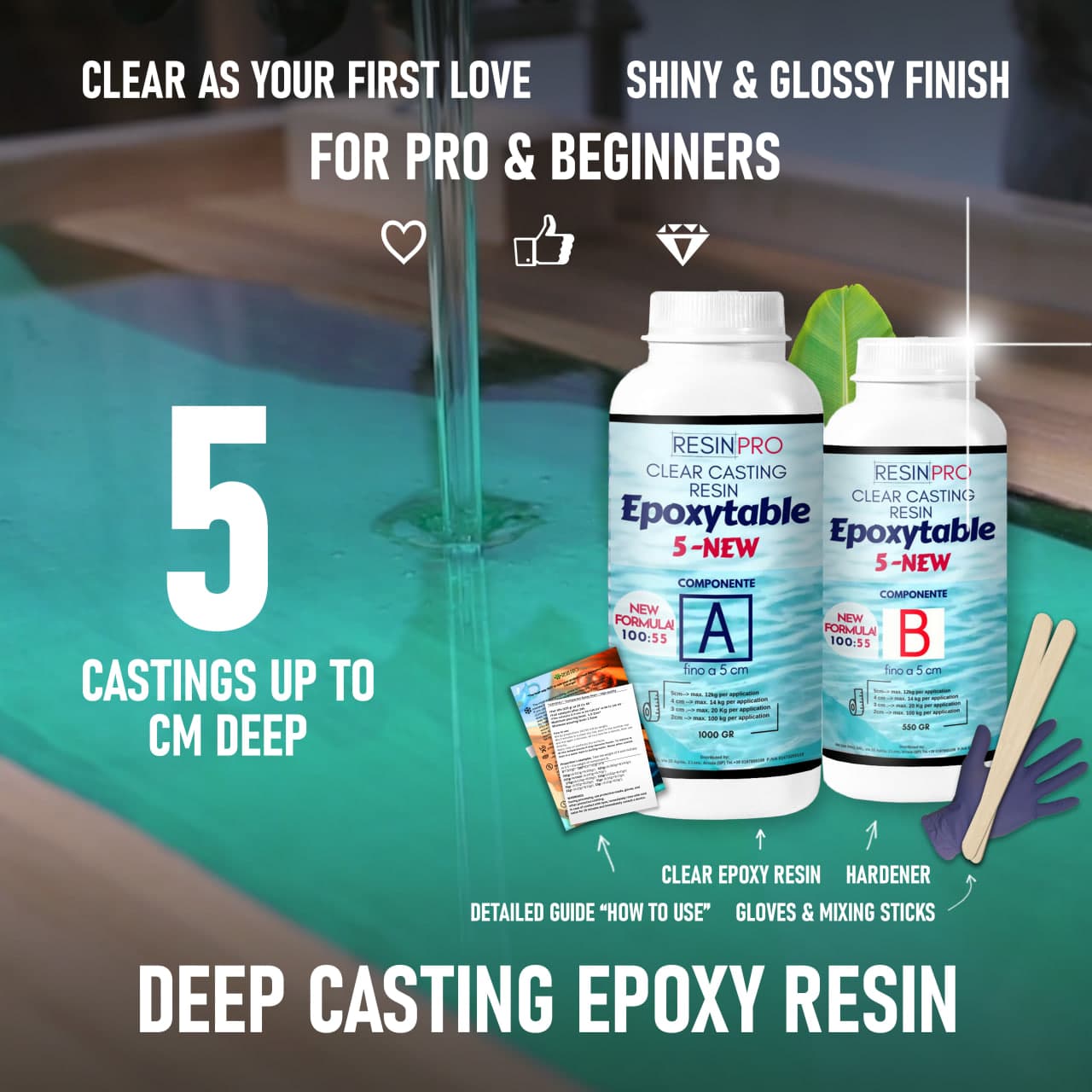
- “EpoxyTable 5-Five” – Deep Pour Epoxy Resin for Tables and Large Projects – Up to 5cm – best for thick pours and embedding larger objects
- “Epoxytable 10-Ten” – Deep Pour Epoxy Resin for Tables, Up to 10cm Casting – for exceptionally deep castings or river table effects
- “Trasparente” – Multipurpose Clear Epoxy Resin for Casting – Up to 2cm – ideal for jewellery, coasters, or detailed crafts
- “Icrystal” – Clear Epoxy Resin – Odourless Formula – Up to 1.5cm – perfect for small objects and doming applications
- Mixing cups and stirrers
- Disposable gloves and protective surface
- Moulds or a leak-proof container to hold the resin
- Your chosen objects (dried flowers, stones, memorabilia, etc.)
- Optional: tweezers, heat gun, or torch for bubbles

Inspiration: Embedded Resin Artworks and River Tables
Get inspired by stunning resin-included projects—from preserved florals in glossy coasters to river tables filled with shells or stones. Notice the clarity and depth achieved with proper preparation and resin selection. Artistic layouts, careful layering, and bubble-free finishes are within reach for any skill level.
Step 1: Plan Your Composition and Prepare the Objects
Plan your composition first—arrange your items outside the mould to experiment with layouts before pouring. Ensure all objects are clean and fully dry. Porous or organic items, such as wood, leaves, or flowers, benefit from being sealed with a suitable varnish or resin layer to prevent bubbles and water marks later. This preparation step is essential for transparent, long-lasting results.

Step 2: Select and Mix Your Epoxy Resin
Use a compatible epoxy resin for your project’s thickness and object size. For projects requiring deeper layers (such as large encapsulation or river tables), select “EpoxyTable 5-Five” for up to 5cm thickness, or “Epoxytable 10-Ten” for projects up to 10cm. For smaller crafts or layering up to 2cm, “Trasparente” or “Icrystal” are ideal.
Follow the manufacturer’s instructions for the correct mixing ratio—usually by weight. Mix resin thoroughly but gently, scraping sides and bottom to avoid unmixed patches. Avoid vigorous stirring, as too much agitation introduces air bubbles.
Step 3: Pour the First Layer and Embed Your Objects
Pour in thin layers when needed, especially if working with deep moulds or thick pieces. Start by pouring a shallow layer of resin and allow it to settle for a few minutes. Place each object using tweezers, gently pressing to eliminate trapped air underneath or around the items. If embedding lightweight or floating objects, let the first layer partially cure before adding them, so they stay suspended at your desired depth.
For very porous objects, you may first want to brush them with a little resin or your chosen sealant. This helps prevent bubbles from escaping during the main pour and ensures a crisp, bubble-free encapsulation.
Step 4: Pour Additional Layers or Top Up as Required
If your project requires multiple resin layers (to cover thick or uneven objects), allow each layer to reach its gel stage before carefully pouring the next. This method avoids overheating and unwanted lines. Continue until your objects are fully encapsulated, then finish with a final, even pour for the smoothest surface. Remove any bubbles on the surface using a heat gun or torch if necessary.

Step 5: Cure Completely and Demould
Allow full curing before handling the project. Epoxy resin needs several hours to days (depending on resin type and thickness) to harden. Demould only when the resin is fully set and firm to the touch. Carefully trim or sand any rough edges for a perfect finish.
Tips and Common Mistakes When Embedding Objects
Work in a dust-free, dry, and stable-temperature room to prevent imperfections in your project. Always check the compatibility of your resin and objects—some fresh flowers or untreated items can release moisture, causing cloudiness. Seal organic items, avoid over-filling the mould in one go, and monitor the curing process for best clarity. Patience is key; rushing demoulding or layering leads to blemishes or failed adhesion.
Expert Insight: Resin Casting for Embedding
Experienced resin artists recommend slow, steady pours and careful bubble removal for beautiful, professional results. Choosing the right resin for your project’s thickness allows for fewer bubbles and clear encapsulation of your treasured objects.
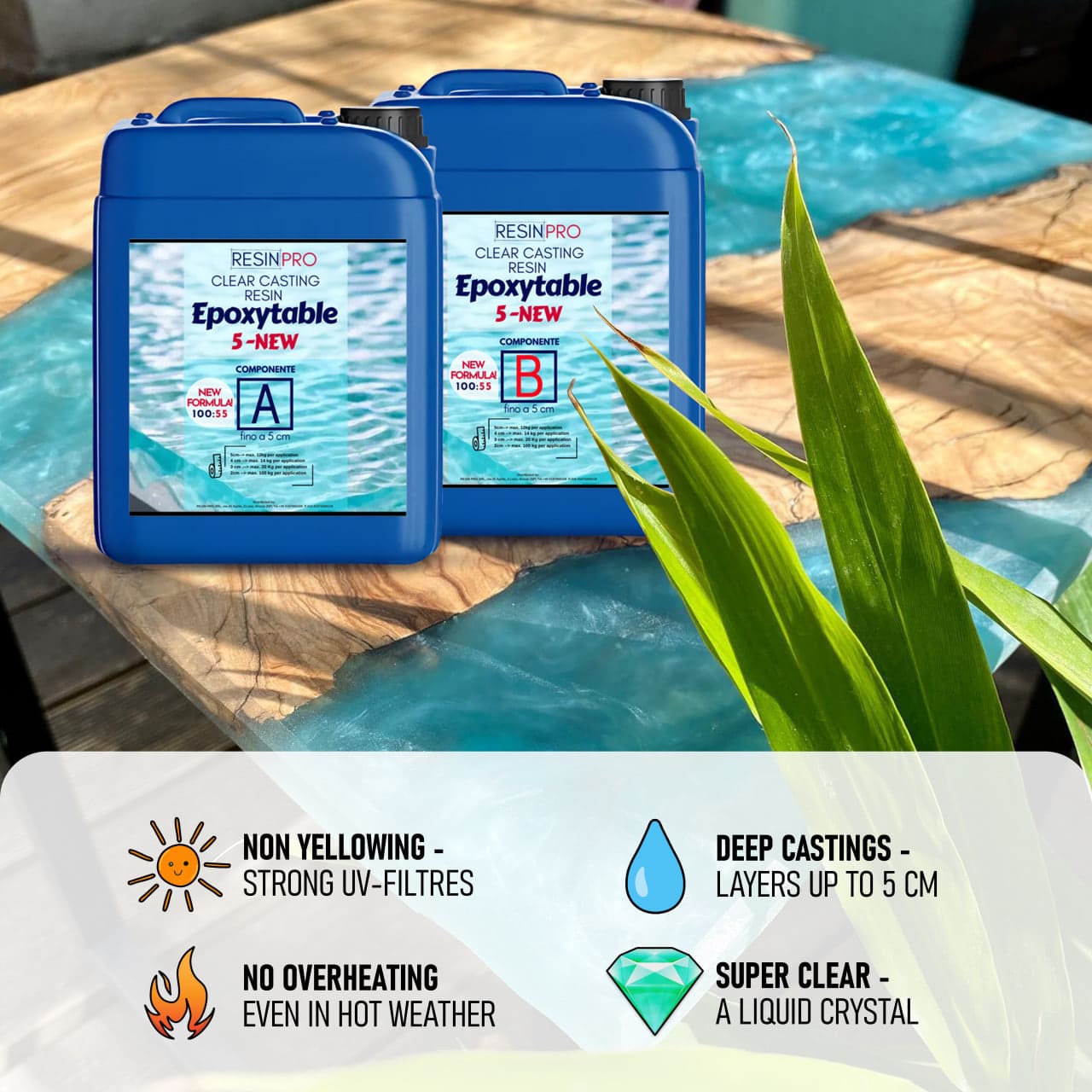
- "EpoxyTable 5-Five" – Deep Pour Epoxy Resin for Tables and Large Projects – Up to 5cmPrice range: £16.85 through £1,099.85"EpoxyTable 5-Five" is a deep pour epoxy resin suitable for tables and large projects, offering low exotherm and scratch resistance.
 “Epoxytable 10-Ten” – Deep Pour Epoxy Resin for Tables, Up to 10cm CastingPrice range: £33.85 through £334.85“Epoxytable 10-Ten” is designed for deep pour projects such as tables, supporting casting thicknesses up to 10cm with clear, non-yellowing finish.
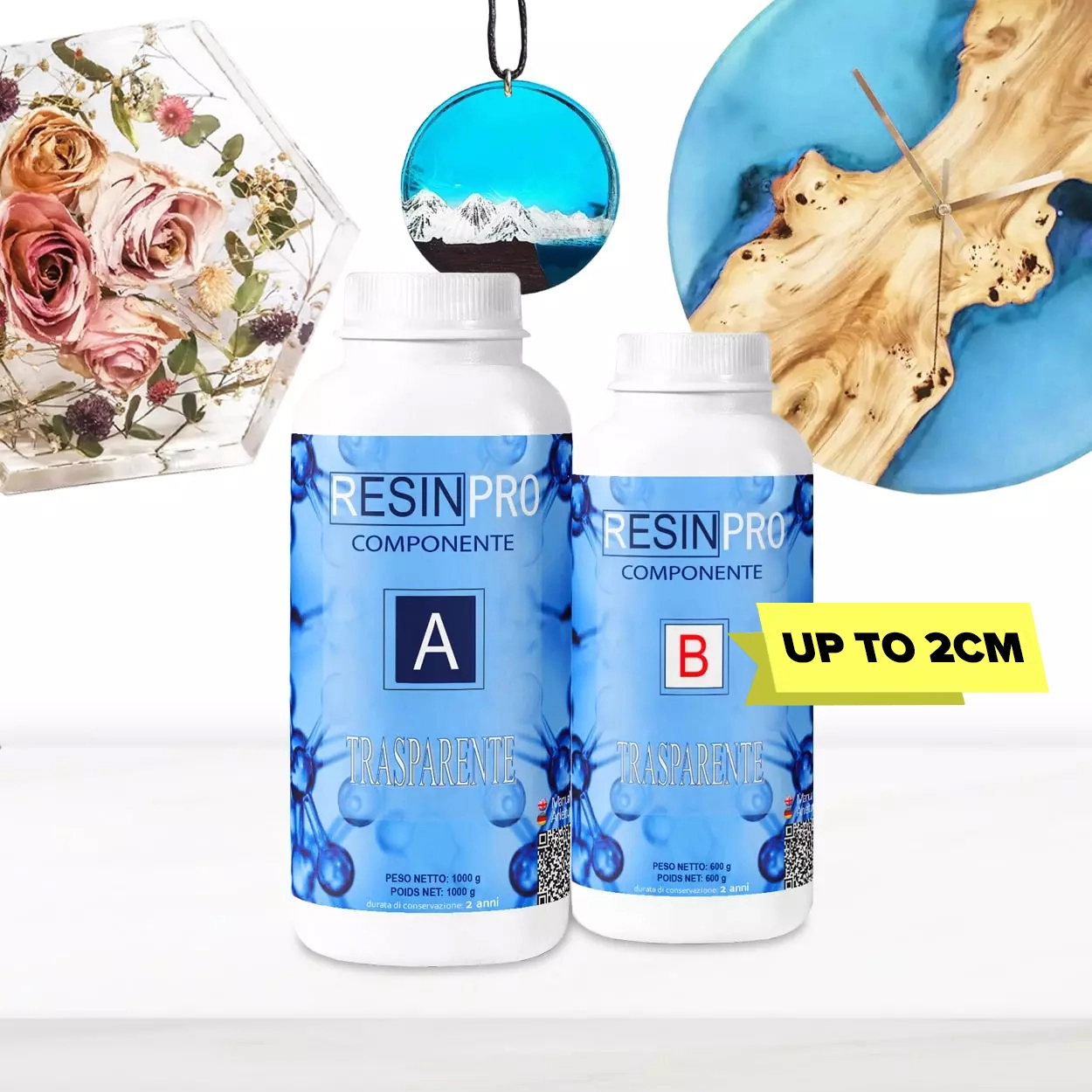 "Trasparente" – Multipurpose Clear Epoxy Resin for Casting – Up to 2cmPrice range: £8.45 through £948.85"Trasparente" is a clear multipurpose casting resin suitable for layers up to 2cm, delivering a self-levelling glossy finish for woodworking and…
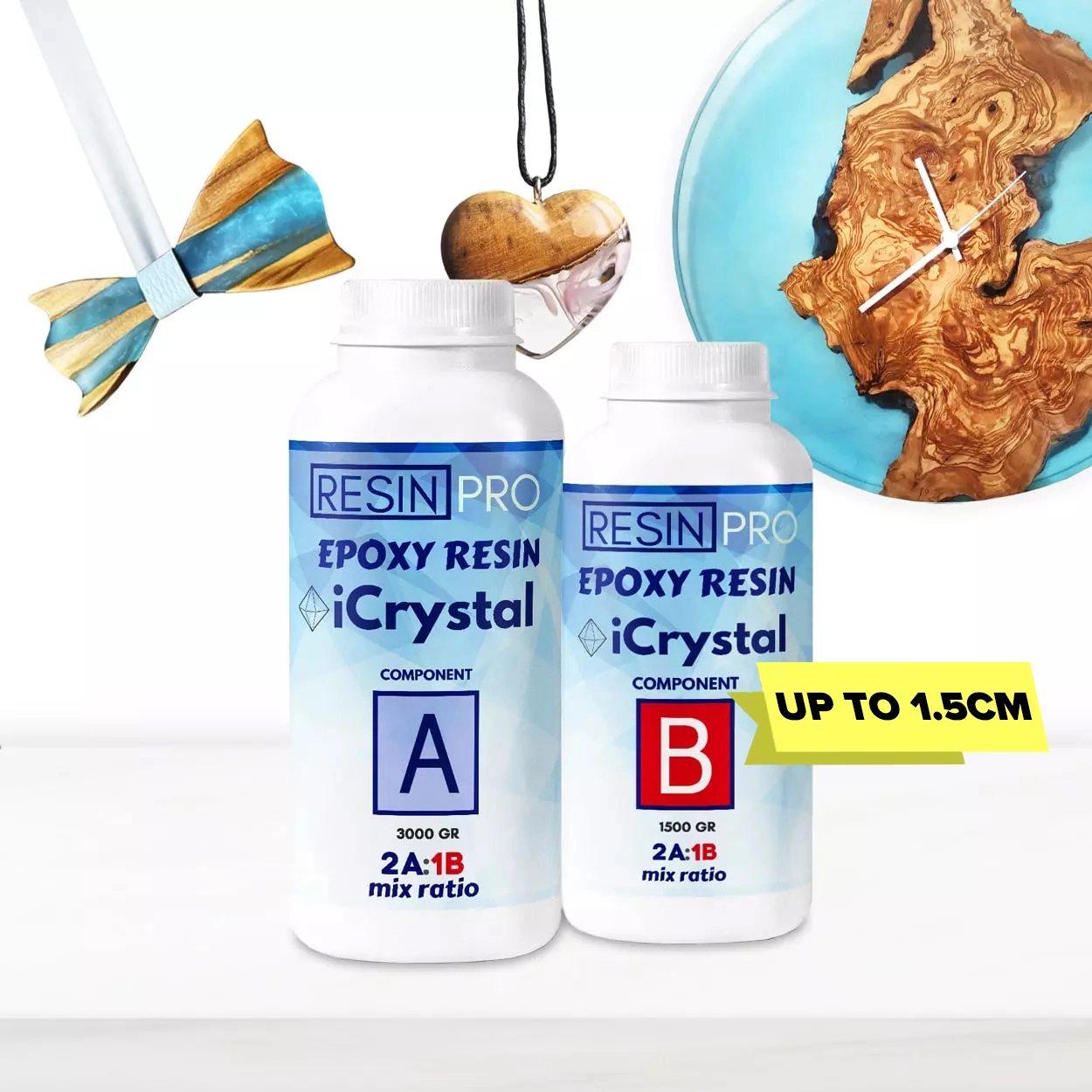 "Icrystal" – Clear Epoxy Resin – Odourless Formula – Up to 1.5cmPrice range: £11.65 through £954.85"Icrystal" epoxy resin offers high transparency and scratch resistance suitable for clear embedding and surface finishing projects.
Frequently Asked Questions
Can I embed fresh flowers in resin?
Fresh flowers should be fully dried and sealed before embedding to prevent cloudiness and trapped moisture affecting the clarity of your project.
Why do I need to seal some objects before embedding?
Sealing porous or organic items stops air bubbles and moisture from escaping, ensuring a clear, professional finish in the set resin.
How thick can I pour resin when embedding?
This depends on the resin chosen; for example, EpoxyTable 5-Five allows up to 5cm, while Icrystal is designed for layers up to 1.5cm per pour.
How do I remove bubbles from resin when embedding objects?
Use a heat gun or torch briefly over the surface to encourage bubbles to rise and pop, but avoid overheating the resin.
How long does embedded resin take to cure?
Curing times vary by resin and thickness. It may take from several hours for thin pieces to several days for deep castings before handling or demoulding.
How do I prevent objects from moving in resin?
Let the first resin layer partially cure so objects can be set in place without floating or shifting when subsequent resin is poured.