 Free shipping on orders over £29,85
  Shipping Tracking!


 Google
 Facebook
How do you fiberglass a boat?
Step-by-step guide to marine fibreglassing and essential repair techniques

Properly fibreglassing a boat creates a durable, waterproof shell that protects your vessel from water ingress, structural weakness and weather damage. Whether you’re repairing damaged areas or fully sheathing a hull, a methodical approach ensures safety, strength and longevity. This guide walks you through each critical step, from preparation to finishing, so you can confidently restore or upgrade your marine craft.
What You’ll Need
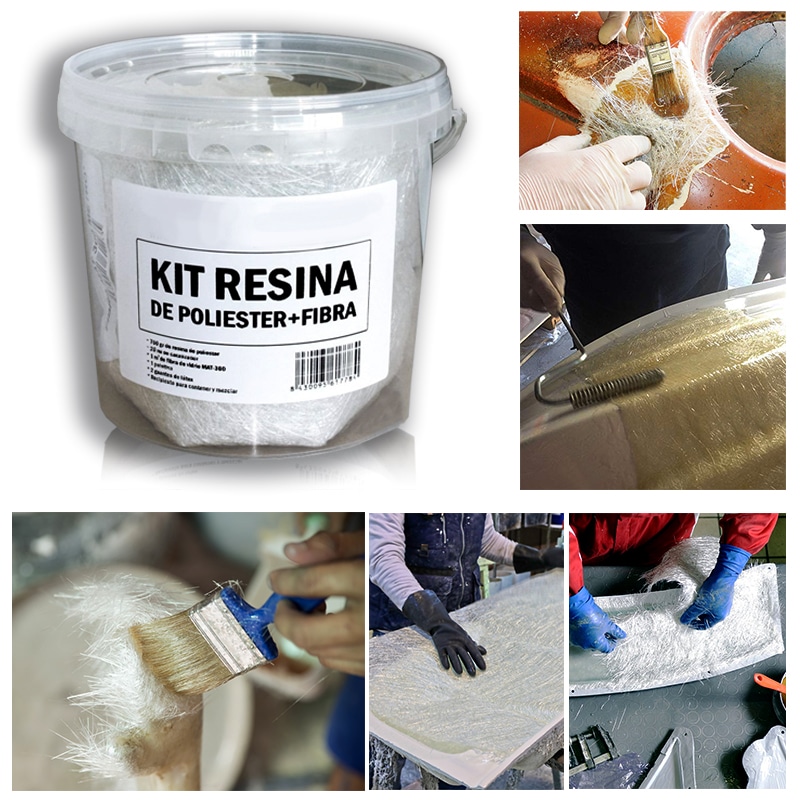
- Resin Fibreglass Repair Kit – Complete Polyester Resin and Hardener Set – For waterproof, impact-resistant repairs using resin and reinforcing mat
- “Carbon Resin” – Epoxy Resin for Carbon Fiber & Fiberglass Coating – Ideal for technical composite layer bonding and a glossy, durable finish
- “EpoxyWood” – Wood Restoration Epoxy Resin for Deep Penetration and Waterproofing – Suited for sealing and strengthening wooden boat hulls or repairs
- CROP 2K Fiberglass Putty – 750 ml + Hardener – For filling deeper cracks or dents before laying fibreglass
- Clean cloths, acetone or suitable solvent
- Sanding tools (block, paper, or orbital sander)
- Dust mask, gloves, safety glasses, and overalls
- Disposable brushes and rollers
- Mixing containers and stirrers
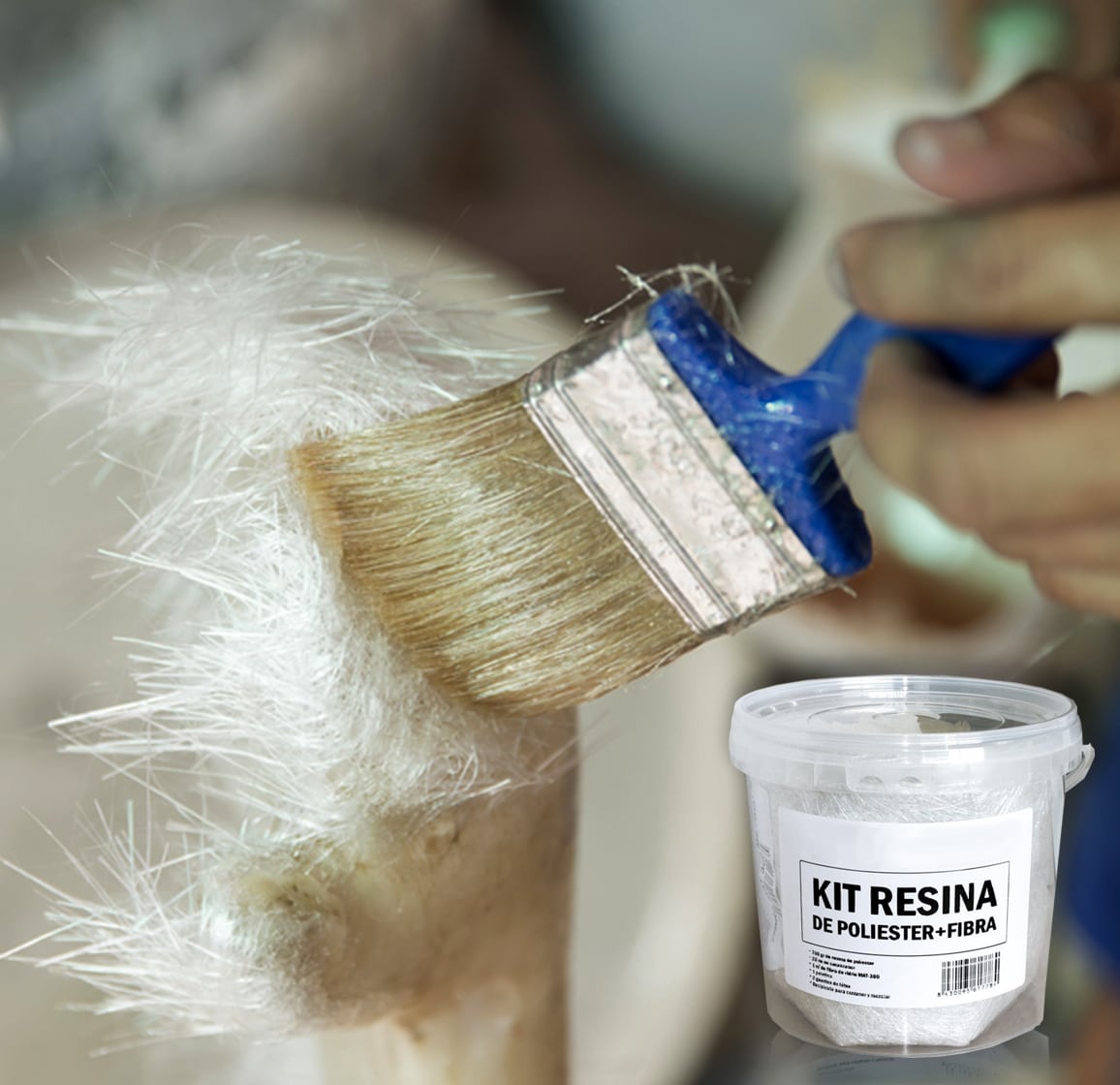
Essential Fibreglassing Materials in Action
See how the right marine resins and reinforcing fibre transform worn or exposed surfaces, providing a new, watertight barrier for boats of any size. Whether sealing wood, fixing cracks or laying new fibreglass, having the correct materials ensures reliable, professional-grade results every time. Good preparation and quality product choice set the stage for success.
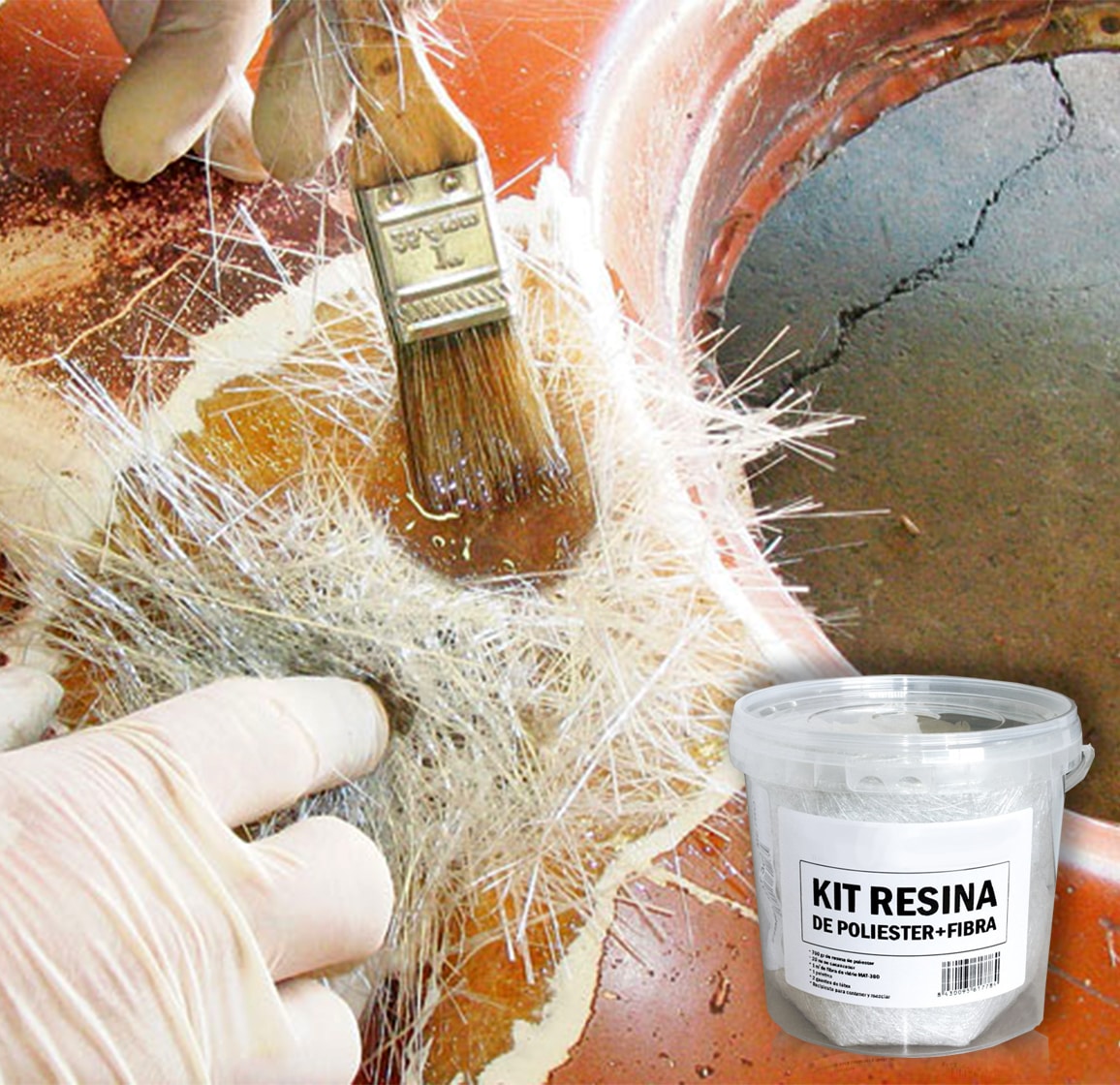
Step 1: Prepare and Clean the Surface
Begin by washing the area thoroughly to remove grime, grease and contaminants. Old paint, varnish, or loose material should be stripped away using scrapers and sanding tools, exposing the bare, solid substrate underneath. For safety and best adhesion, the surface must be clean, dust-free and completely dry before proceeding. Carefully inspect for existing damage. If you spot deep cracks, dents or cavities, now is the time to fill them. You can use CROP 2K Fiberglass Putty – 750 ml + Hardener for this step, as it offers reinforced strength ideal for marine repairs. Allow putty to cure and sand smooth to a flush finish.
Always wear protective gloves, eye protection and a respirator mask when working with resins and solvents.
Step 2: Reinforce and Seal Wooden Areas
If the boat has any wood components, using a dedicated wood-sealing resin ensures longevity and structural soundness. Dry wood is prone to rot and water ingress if not properly protected. Sand all wooden areas with medium grit, then remove dust.
Apply a penetrating marine wood epoxy, such as “EpoxyWood” – Wood Restoration Epoxy Resin for Deep Penetration and Waterproofing, according to instructions. This product is designed to soak deeply into wood fibres, hardening soft or porous areas while establishing a waterproof barrier. Let the resin cure fully before moving on.
Ensure wooden surfaces are fully dry and sanded before applying any resin.
Step 3: Lay Up the Fibreglass Mat or Cloth
Select a fibreglass mat or woven cloth suitable for marine repairs. Cut your fibreglass pieces to size, allowing for overlaps of a few centimetres at edges for strength. Drape the fabric into place over the area to be laminated, smoothing all wrinkles and bubbles.
Mix your chosen resin – for general repairs, a dedicated fibreglass system such as the Resin Fibreglass Repair Kit – Complete Polyester Resin and Hardener Set is practical, as it includes both resin and reinforcement for easy use. If you’re building new sections or aiming for advanced structural layering, “Carbon Resin” – Epoxy Resin for Carbon Fiber & Fiberglass Coating provides excellent fibre impregnation with high mechanical strength. Apply the mixed resin using a brush or roller, saturating the fibreglass cloth thoroughly until it becomes transparent. Work systematically to avoid dry spots or trapped air.
Let each layer cure according to product instructions before applying the next. Multiple, thinner layers build strength and reduce the risk of bubbles or voids.
Allow each resin or putty layer to fully cure before sanding or adding additional coats.
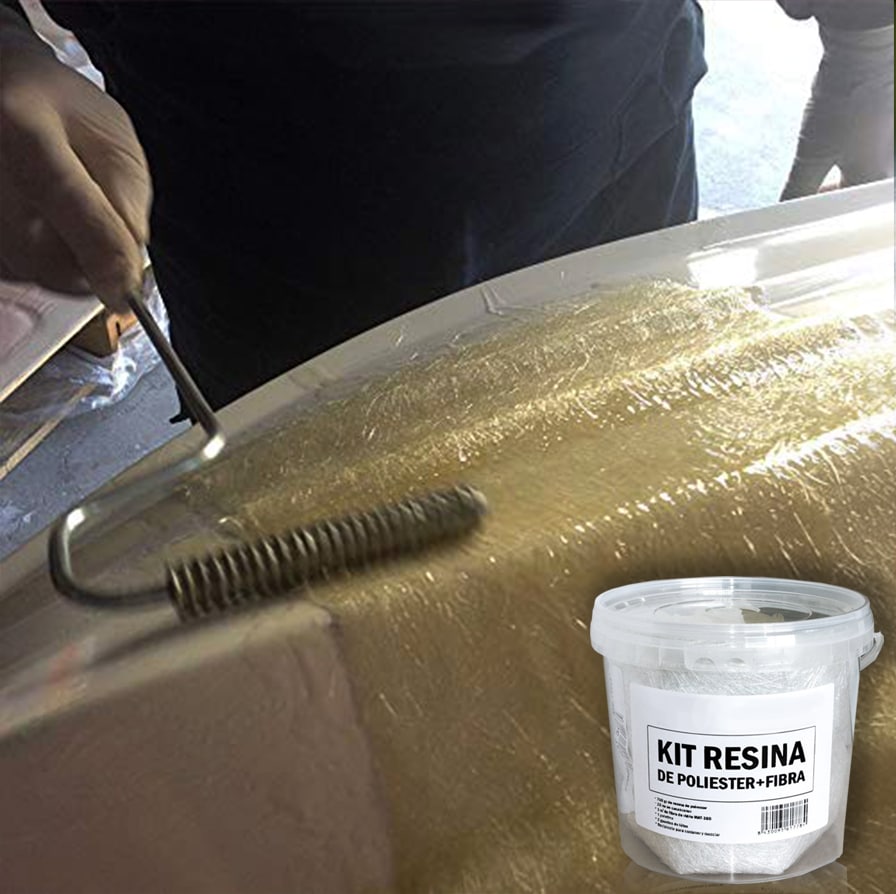
Step 4: Sand, Finish and Inspect
Once the final resin layer has cured, the surface may feel slightly uneven or have sharp edges. Begin sanding with medium grit paper, progressing to finer grades for a smooth, uniform finish. Wipe away dust between passes and inspect for any missed spots where additional resin or putty may be needed. Fill and sand as required.
The final surface can be painted with a high-quality marine paint or finished with a clear coat, ensuring all resin is fully cured beforehand for best results. This not only protects the laminate from UV and abrasion but gives your boat a polished, professional appearance. Always follow topcoat manufacturer guidance for adhesion and durability.

Tips and Common Mistakes to Avoid
Many fibreglass failures stem from poor surface prep or incorrect mixing. Measure hardeners and resins with care; too much hardener can weaken the laminate. Avoid overworking the resin, as this traps air and encourages bubbles. Never apply resin or glass onto damp or humid substrates – moisture prevents full adhesion and can promote rot.
Test small areas first if you are using an unfamiliar resin system. If unsure, consult the specific product documentation for mixing, application and safety best practices.
Expert Results with Proper Application
High-performance repairs begin with careful attention to surface prep, resin mixing, and methodical layup. Each cured layer adds strength and weather resistance to your vessel. Explore our marine-grade resins and support materials for every boat repair challenge.
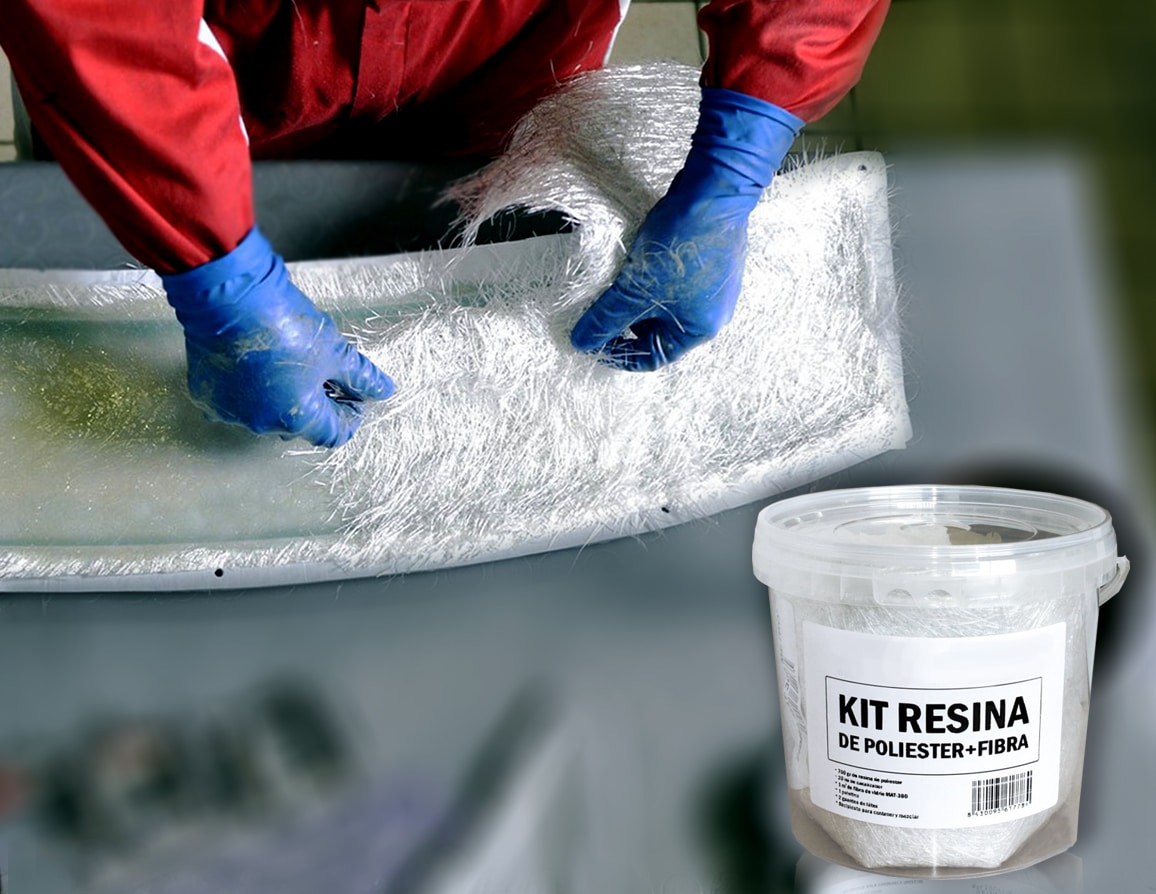
- Resin Fibreglass Repair Kit – Complete Polyester Resin and Hardener SetThe Resin Fibreglass Repair Kit offers a ready-to-use solution with clear instructions for reinforcing boats and rigid materials under the theme 'How…
- "Carbon Resin" – Epoxy Resin for Carbon Fiber & Fiberglass CoatingPrice range: £19.95 through £37.95Epoxy resin designed for composites and fibreglass offers smooth impregnation and durable glossy finish for boat building applications.
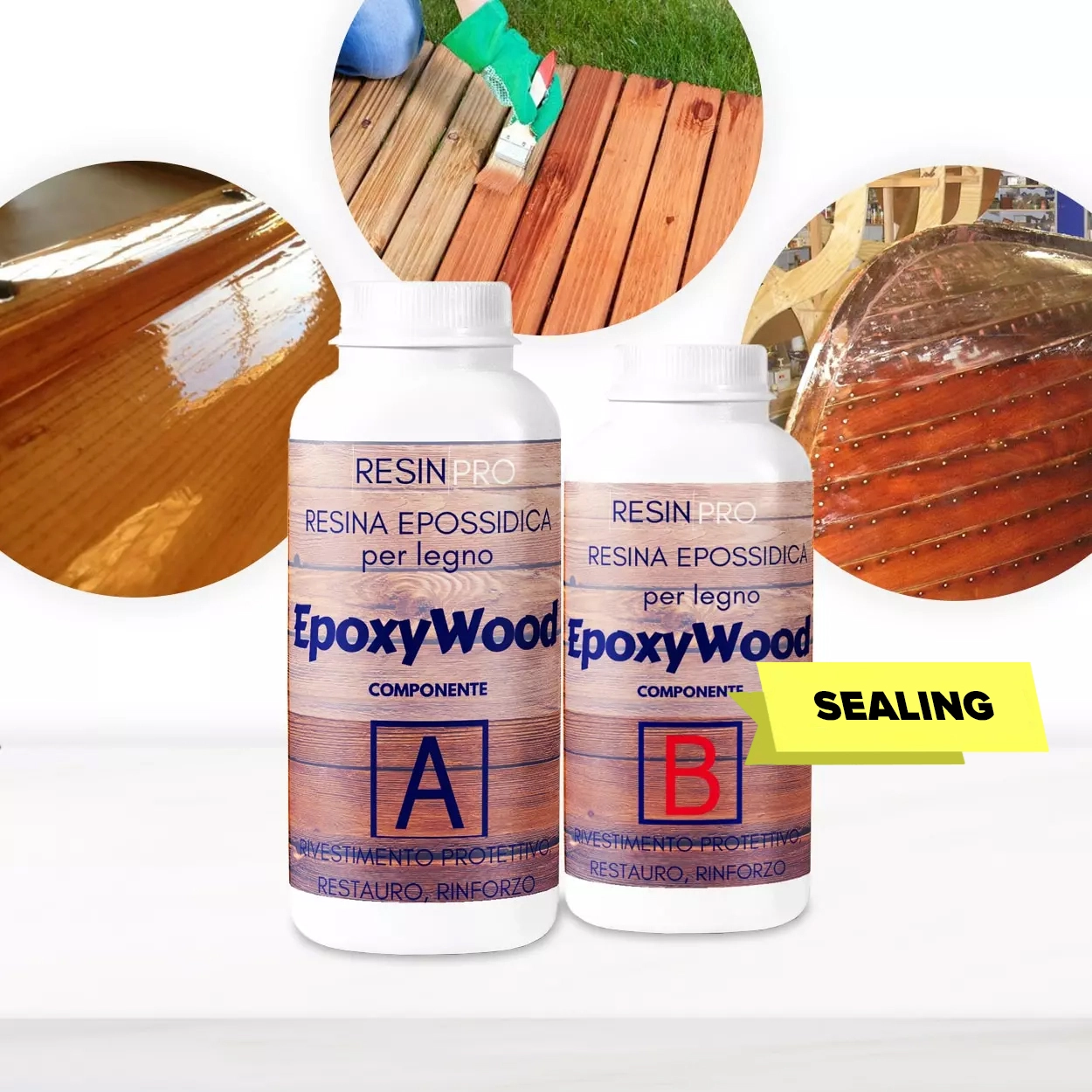 "EpoxyWood" – Wood Restoration Epoxy Resin for Deep Penetration and WaterproofingPrice range: £27.95 through £41.95"EpoxyWood" is a wood restoration epoxy resin designed for deep penetration and waterproofing, suitable for restoring wooden surfaces including boat…
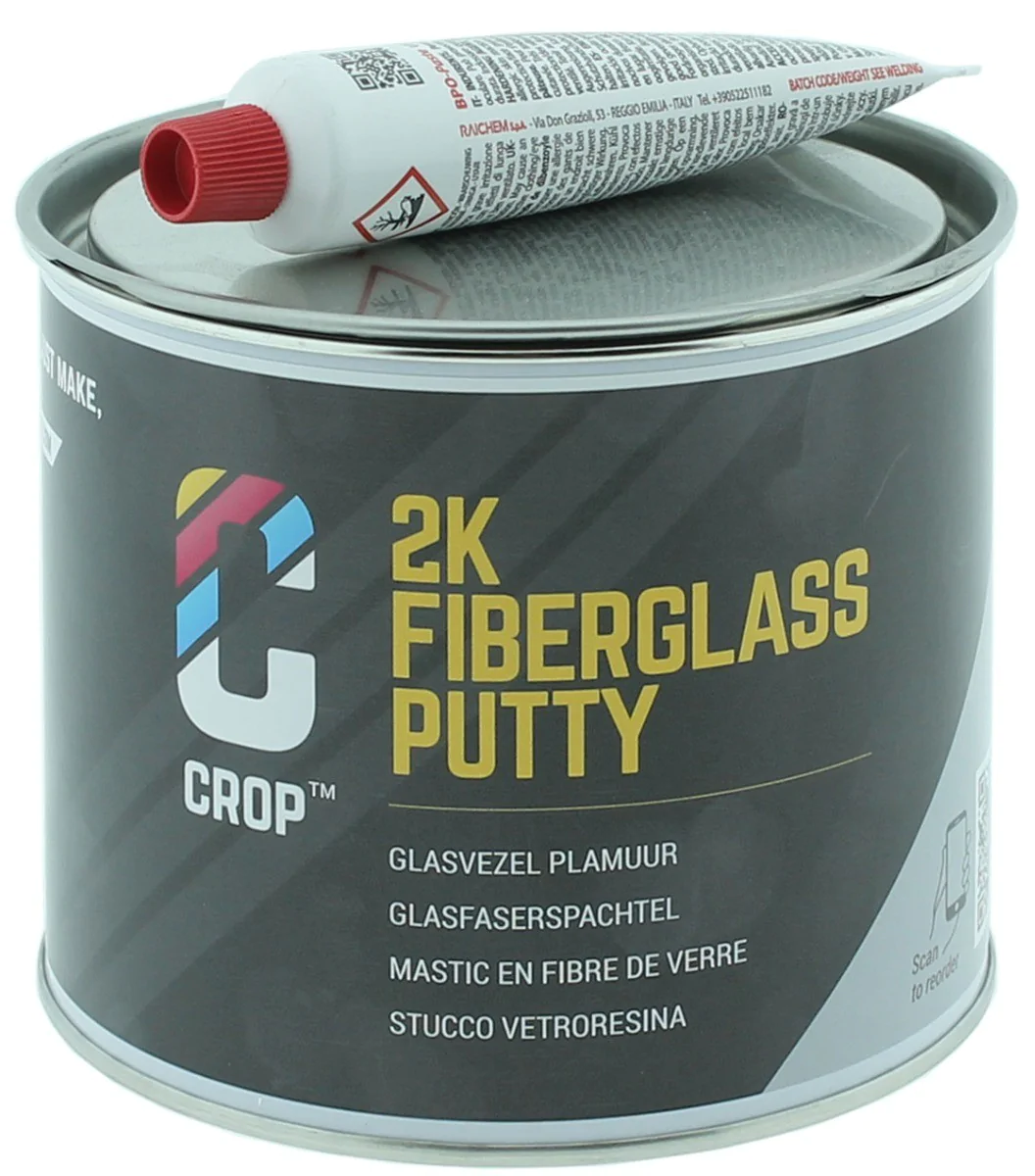 CROP 2K Fiberglass Putty – 750 ml + Hardener£15.85CROP 2K Fiberglass Putty is a polyester two-component putty reinforced with fibreglass for use in repairs requiring extra strength.
Frequently Asked Questions
Can I fibreglass over old paint?
No; you should always remove old paint or varnish to ensure maximum resin adhesion and prevent delamination.
How long does fibreglass resin take to cure?
Cure times depend on resin type and ambient conditions but typically range from 6 to 24 hours for initial setting, with full strength developing after several days.
Should I use polyester or epoxy resin for boat repairs?
Epoxy resins generally provide superior adhesion and moisture resistance, while polyester systems are budget-friendly and suitable for many general repairs.
What personal protection do I need?
Always use gloves, a respirator mask, and safety glasses when sanding, mixing, or applying resins to avoid skin and inhalation risks.
Can I use fibreglass putty on metal surfaces?
Yes, fibreglass-reinforced putty is suitable for filling and reinforcing metal, aluminium, galvanised steel and rigid plastics often found on boats.
How many layers of fibreglass do I need?
A typical small repair requires two to three layers; for hull sheathing or structural areas, three to five or more may be needed.
What finish should I apply after fibreglassing?
You can apply marine paint or a UV-resistant clear coat, ensuring all resin is fully cured and the surface is sanded smooth beforehand.