 Free shipping on orders over £29,85
  Shipping Tracking!


 Google
 Facebook
How do you line rigid motorcycle bags with fiberglass resin?
Achieve a durable, waterproof liner for lasting bike bag protection

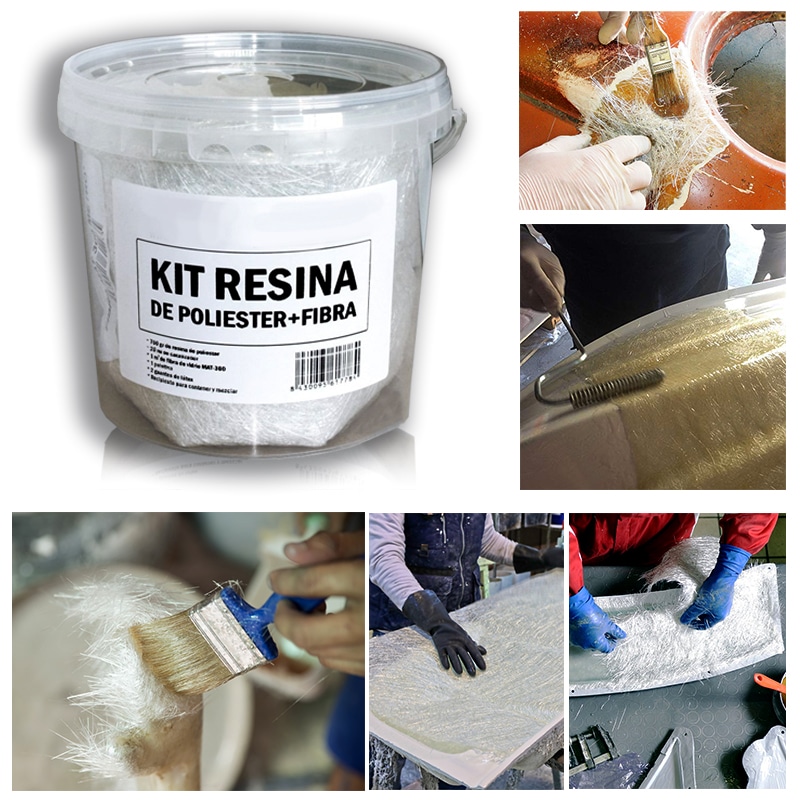
Lining rigid motorcycle bags with fibreglass resin is one of the most effective ways to improve their water resistance, structure, and lifespan. Whether you are upgrading hard panniers or repairing an older case, a proper resin lining ensures that your bags withstand the challenges of the open road without leaks or structural weakness. This comprehensive guide takes you through the necessary steps, materials, and safety considerations to help you achieve a professional-grade result at home.
What You’ll Need
- Resin Fibreglass Repair Kit – Complete Polyester Resin and Hardener Set: A complete kit suitable for waterproofing and reinforcing rigid surfaces.
- “Carbon Resin” – Epoxy Resin for Carbon Fiber & Fiberglass Coating: Ideal for achieving smooth, durable finishes on technical projects.
- CROP 2K Fiberglass Putty – 750 ml + Hardener: Useful for filling cracks or dents before lining the bag.
- Protective gloves, dust mask, and safety glasses
- Sanding paper (medium and fine grit)
- Mixing container and application brush or roller
- Clean cloths for dust removal
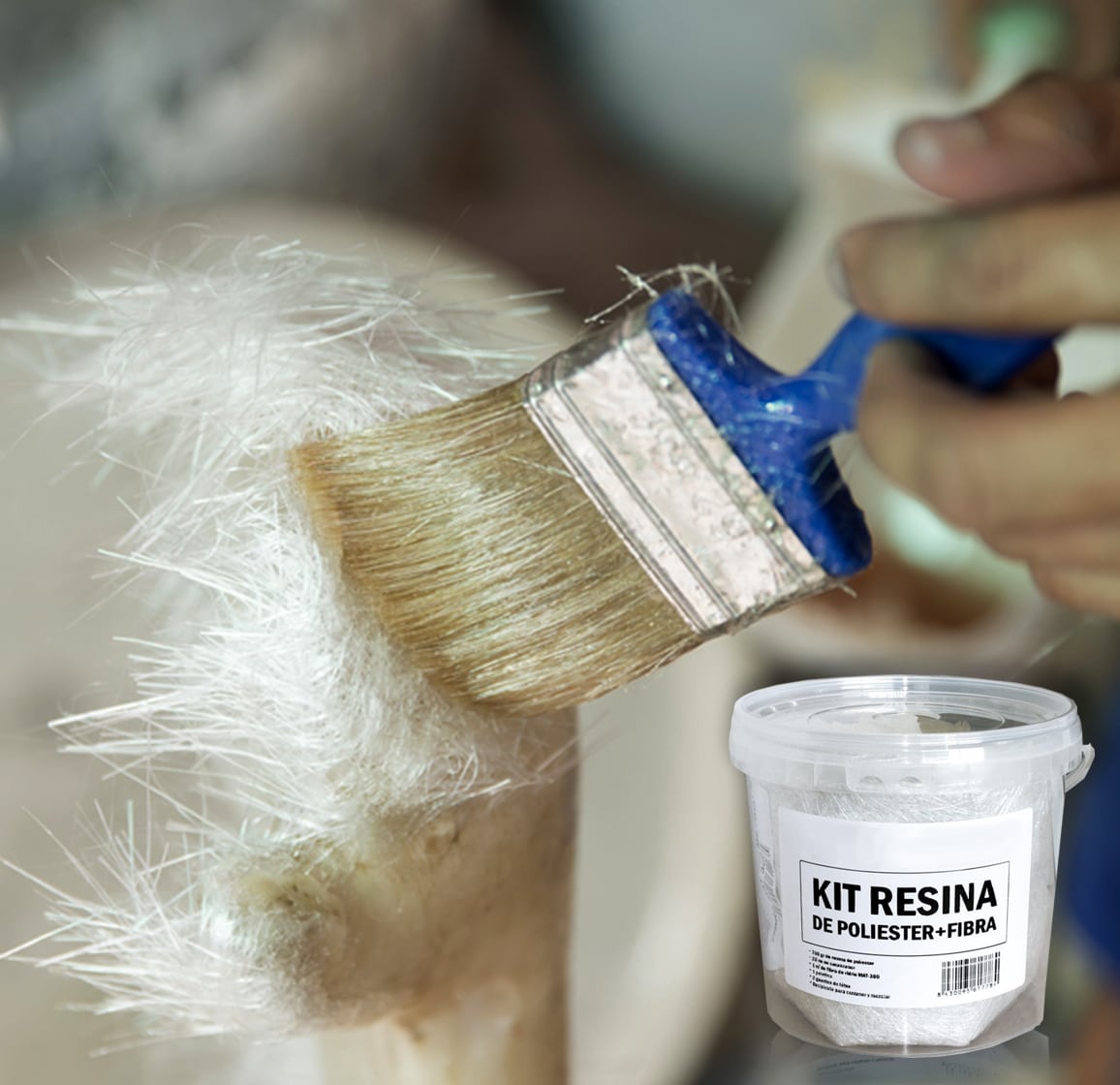
Essential Tools for a Professional-Grade Lining
Quality application tools and the right resin kit make all the difference. Choose brushes or rollers that minimise shedding, and pre-cut your fibreglass matting to suit awkward shapes before you begin. Investing in protective gloves and dust masks keeps every project both safe and comfortable.
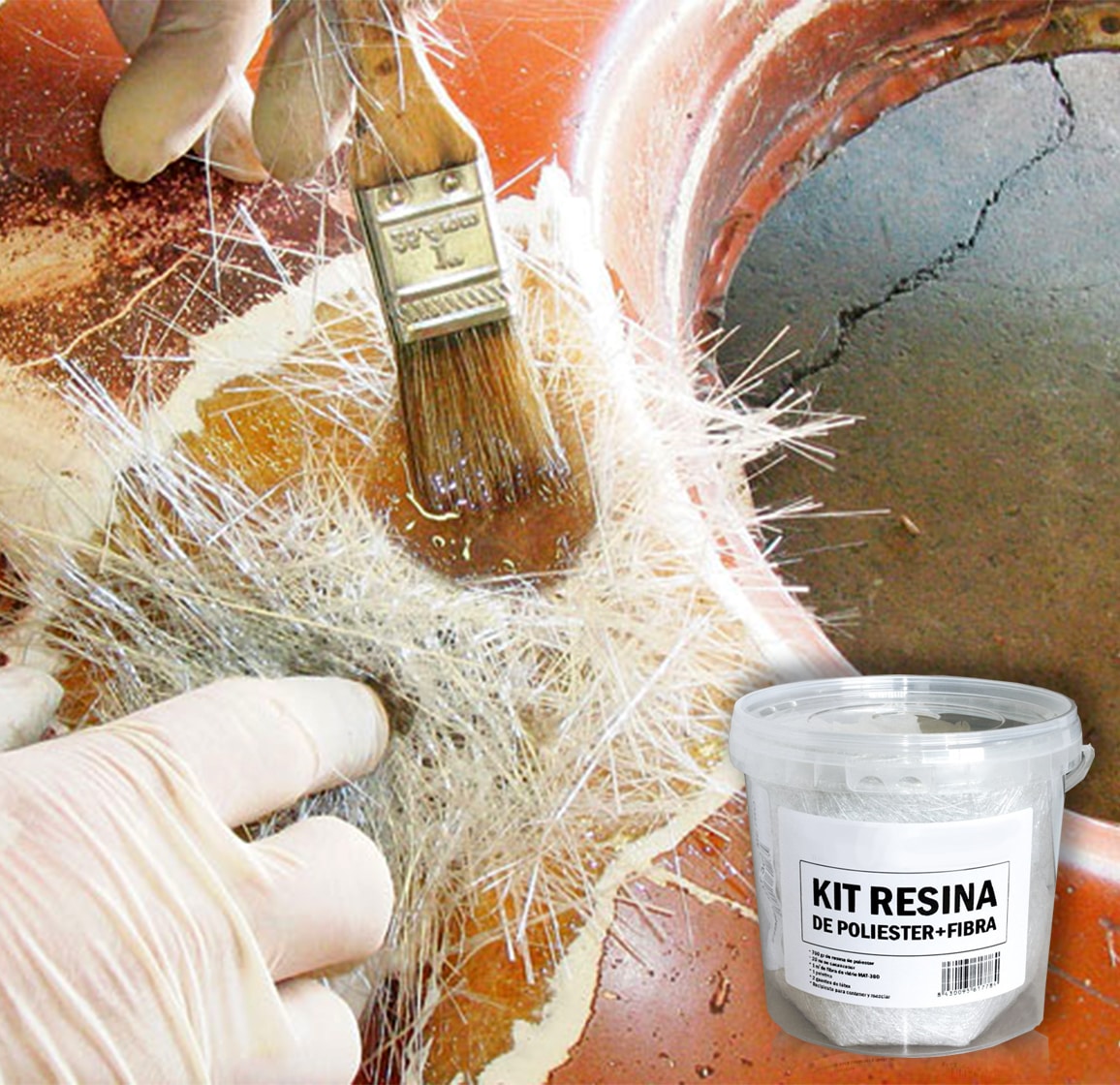
Step 1: Prepare the Motorcycle Bag Surface
Begin by removing any internal fittings or liners from the motorcycle bag. Thoroughly clean the inside using a mild detergent and water, ensuring all debris, grease, or old adhesive residues are eliminated. Once dry, sand the entire interior using medium-grit sandpaper to promote strong adhesion of the fibreglass resin. Special attention should be paid to corners and seams, as these are most prone to moisture ingress. Wipe away all dust particles with a clean cloth to leave a dry, residue-free surface, which is essential for a smooth, lasting result.
If the bag has deep scratches or holes, these should be repaired before you start the lining process. In such cases, CROP 2K Fiberglass Putty – 750 ml + Hardener can be applied to fill and level the damaged areas. Allow the putty to cure fully and sand the surface gently for a flush finish before moving on.
Step 2: Take Safety Precautions and Prepare Materials
Wear protective gloves and a mask throughout the entire operation to safeguard against skin irritation and inhalation of fine particles or fumes. Open doors or windows to ensure ventilation, and lay down protective covers to keep your workspace clean. Prepare your fibreglass matting and cut it to fit key areas within the bag, focusing on high-wear corners and the base for added reinforcement. Have all materials at hand before mixing the resin to avoid delays during the process.
Step 3: Apply the Fibreglass Resin and Matting
The lining process begins by mixing your chosen resin according to its manufacturer’s instructions. Carefully measure and combine the resin and hardener, ensuring a thorough mix to achieve proper curing. Ensure the surface is clean and dry immediately before application. Start by spreading a thin layer of mixed resin directly onto the bag’s interior with a brush or roller.
Lay the fibreglass matting over the wet resin, then saturate the mat with additional resin until it becomes fully transparent and adheres firmly to the surface. For reliable results, the Resin Fibreglass Repair Kit – Complete Polyester Resin and Hardener Set offers pre-measured components, including fibreglass cloth and instructions, making this step straightforward for beginners and professionals alike.
Repeat this process for all internal surfaces, overlapping sections of matting slightly for continuous coverage and added strength. Work methodically to avoid air bubbles, gently pressing out any that arise.
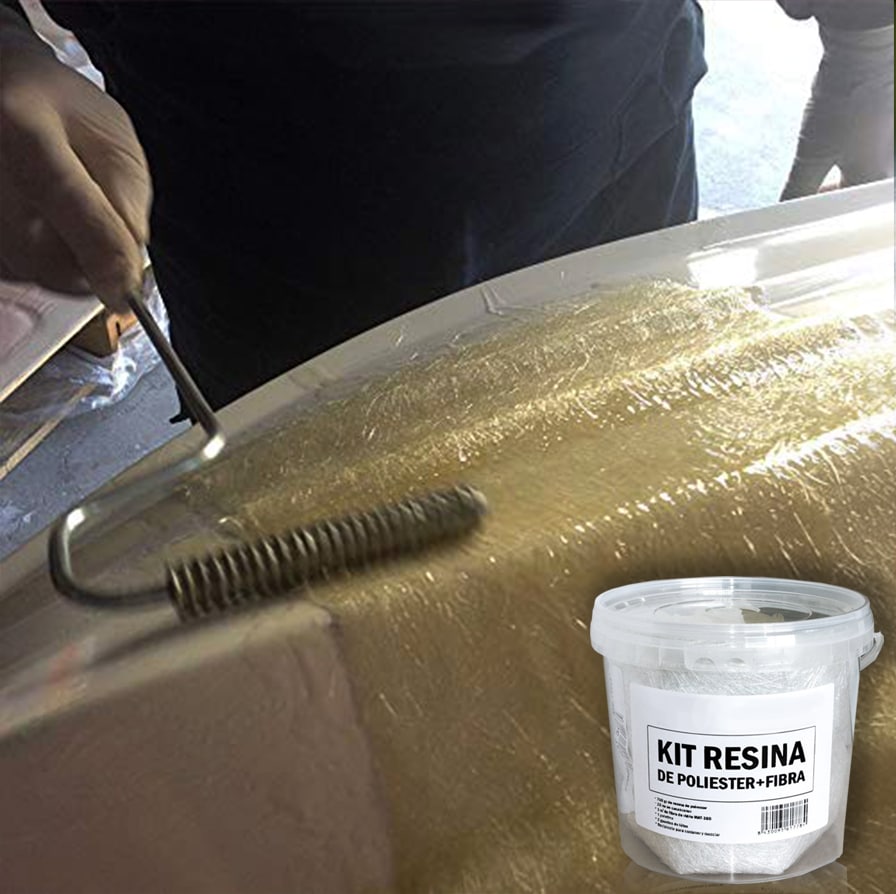
Step 4: Final Layer and Curing
Once the fibreglass layer is in place, add a final coat of resin with smooth, even strokes to achieve a glossy, protective finish. Apply the resin evenly with a brush or roller, ensuring all matting is completely covered and sealed. If you desire a particularly resilient or chemical-resistant result, consider using the “Carbon Resin” – Epoxy Resin for Carbon Fiber & Fiberglass Coating as the finishing layer to maximise impact resistance and surface smoothness.
Allow full curing before using the bag. Most resin systems require a specific period (typically 24–48 hours) for optimal strength and waterproofing. Avoid exposing the bag to water, heat, or mechanical stress until the resin is fully hardened and non-tacky to the touch. Refer to the resin packaging or kit leaflet for precise timings and post-cure recommendations.

Tips, Common Mistakes, and Troubleshooting
Work in a well-ventilated space and never rush the mixing or curing stages—undermixed resin or premature handling can compromise both bond strength and waterproofing. Use multiple thin layers rather than a single thick one if you are new to working with resin. This reduces the risk of drips, bubbles, or uneven curing.
Check the interior regularly for uncured patches or missed areas—these can be patched promptly by mixing and applying a small fresh batch of resin. If you spot an air bubble after curing, sand the surface lightly and add a thin top-up coating for a seamless result. Always follow the kit or product safety instructions, and never skip personal protective equipment.
See the Results of a Proper Resin Lining
Well-lined motorcycle bags maintain their integrity even in harsh weather. After resin curing, you’ll notice a solid, seamless interior with no sharp matting edges, improved water resistance, and a lustrous finish. This robust lining not only protects your gear but also increases your motorbike’s load reliability over time.
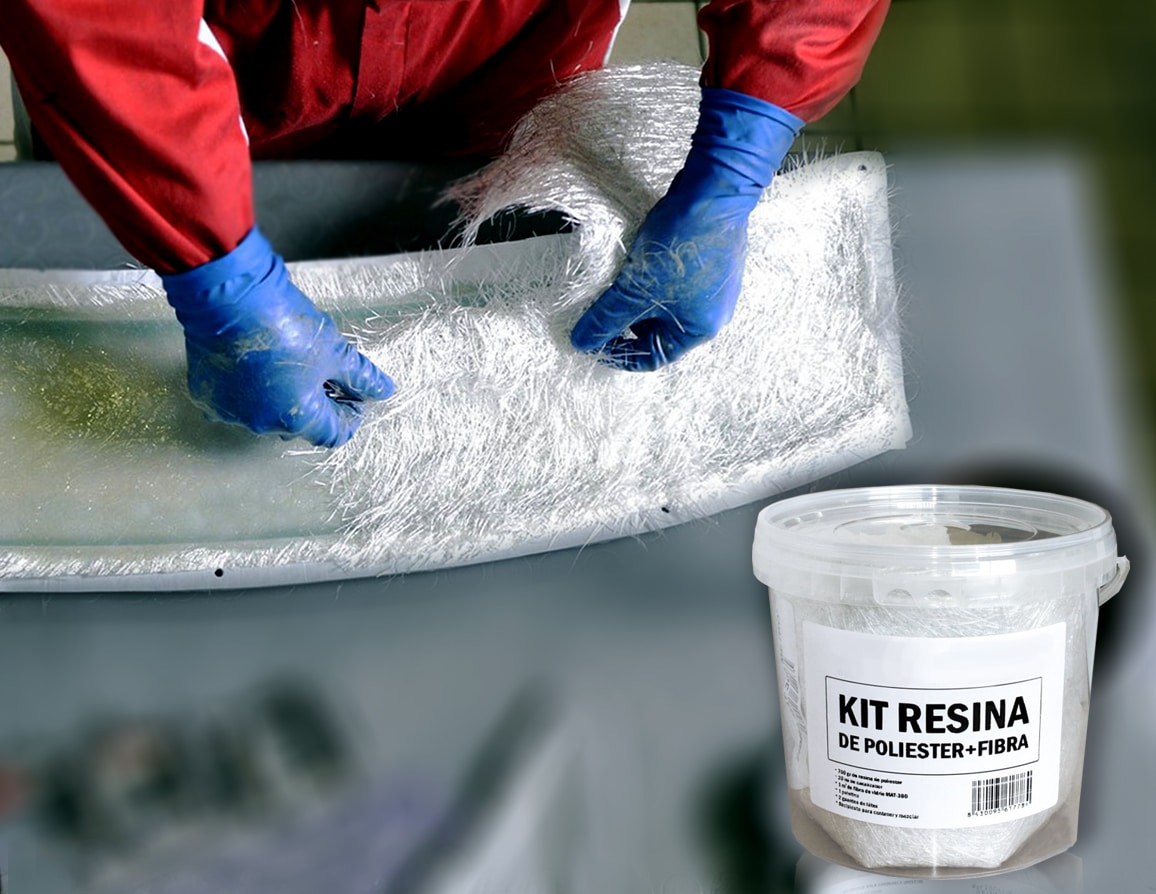
- Resin Fibreglass Repair Kit – Complete Polyester Resin and Hardener SetThe Resin Fibreglass Repair Kit includes polyester resin and fibreglass mat, designed for structural repairs on rigid materials.
- "Carbon Resin" – Epoxy Resin for Carbon Fiber & Fiberglass CoatingPrice range: £19.95 through £37.95"Carbon Resin" epoxy is designed for effective impregnation and structural integrity with carbon fibre and fibreglass, fitting technical composite…
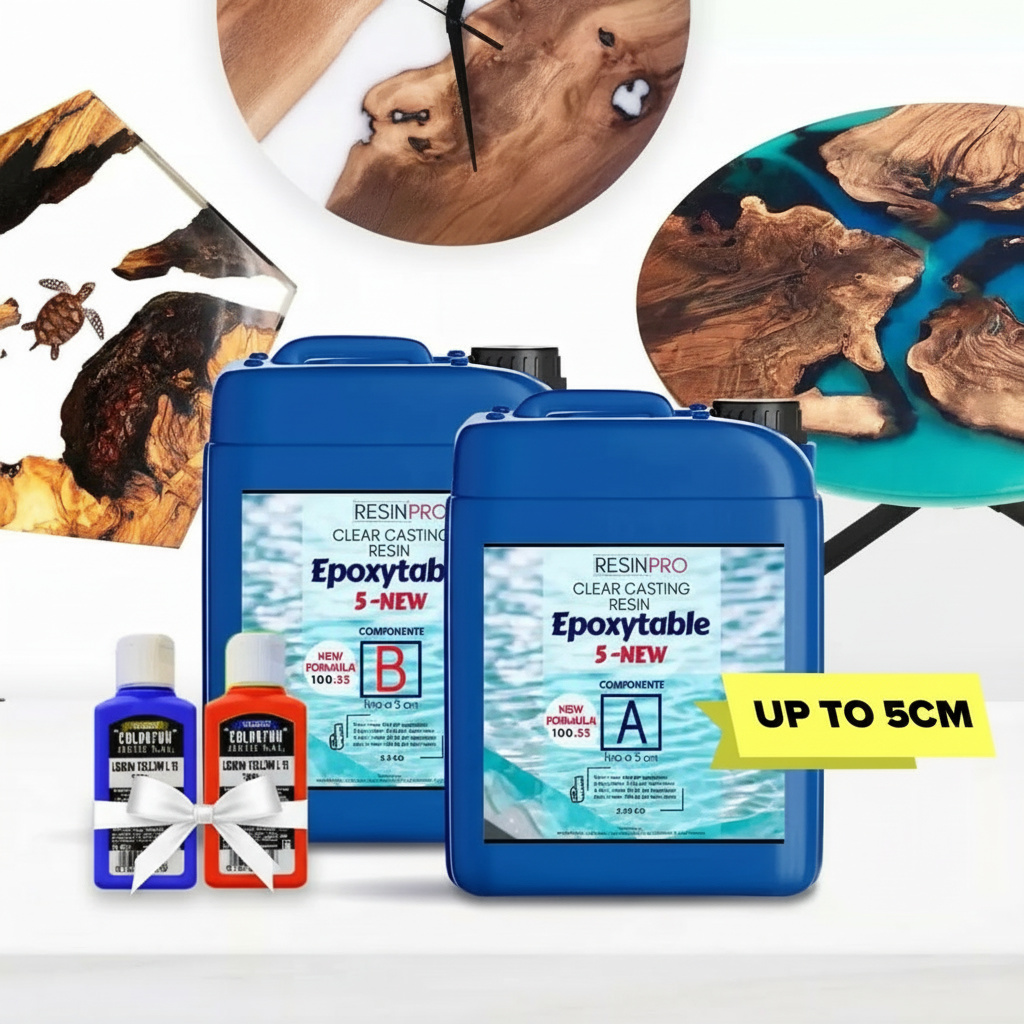 "EpoxyTable 5-Five" – Deep Pour Epoxy Resin for Tables and Large Projects – Up to 5cmPrice range: £17.95 through £1,154.95"EpoxyTable 5-Five" is a deep pour epoxy resin designed for tables and large projects with a focus on mechanical resistance and long working time.
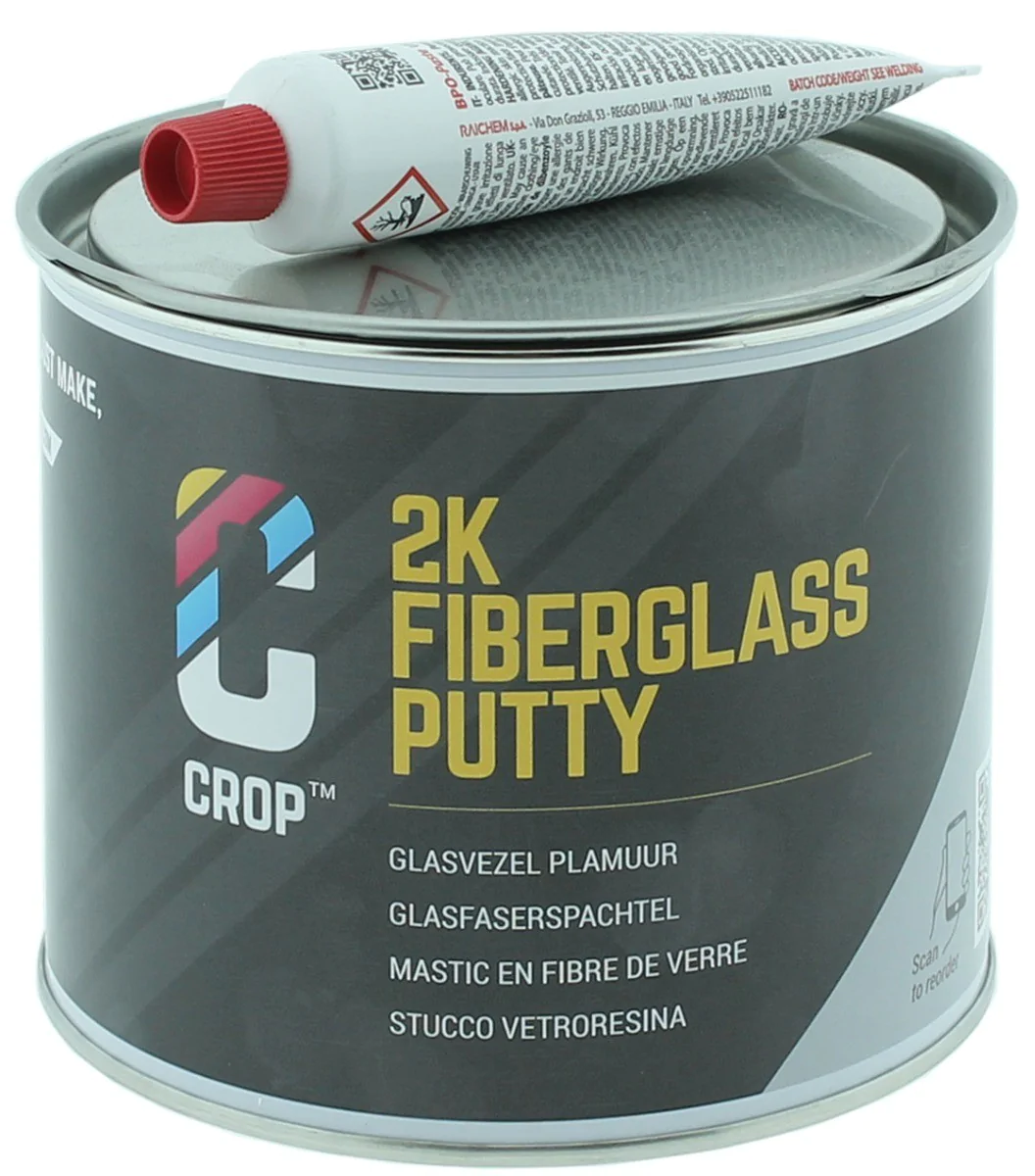 CROP 2K Fiberglass Putty – 750 ml + Hardener£15.85CROP 2K Fiberglass Putty is a fibreglass-reinforced polyester putty suitable for bodywork repairs, offering strength and durability consistent with…
Frequently Asked Questions
Can I use polyester resin instead of epoxy for lining?
Yes, both can be used; epoxy is often preferred for superior adhesion and durability though polyester is cost-effective and suitable for many rigid surfaces.
How long should I let the resin cure before use?
Allow at least 24–48 hours for full curing, but always consult your product instructions for exact times to ensure waterproof performance.
Does the resin add much weight to the motorcycle bags?
No, the additional weight from a resin and fibreglass lining is minimal, especially when applied in thin, even layers designed for reinforcement.
How do I avoid bubbles and rough spots in the lining?
Apply each layer carefully, use a roller or brush to press out bubbles, and sand rough areas lightly before the finishing coat.
Can I paint over a fibreglass resin lining?
Yes, once fully cured and lightly sanded, the resin surface can be primed and painted for your preferred finish.
What if I miss a spot with the fibreglass mat?
Wait for the first coat to cure, then patch the area with fresh resin and mat for a seamless finish.
Can this technique repair cracked or leaking bags?
Yes, filling cracks before lining ensures a strong, waterproof barrier, ideal for restoring damaged or leaking motorcycle bags.